# The Neurobiology of Insomnia: Hyperarousal, Personality Traits, and Emerging Therapies
## Learning Objectives
By the end of this seminar, learners will be able to:
- Diagnose chronic insomnia disorder and distinguish it from insufficient sleep, circadian misalignment, and competing sleep disorders.
- Explain how homeostatic, circadian, cortical, autonomic, endocrine, and orexin systems contribute to hyperarousal.
- Formulate personality and stress-related vulnerability using the predisposing, precipitating, and perpetuating factors model.
- Prescribe and safely adjust an individualized cognitive behavioral therapy for insomnia protocol.
- Compare dual orexin receptor antagonists with benzodiazepines, Z-drugs, and other insomnia medications.
- Integrate behavioral and pharmacologic treatment through shared decision-making.
- Identify clinically important uncertainties and priorities for insomnia research.
---
## Introduction to Insomnia and Hyperarousal
 ### Duration: 10 min
Insomnia disorder is not synonymous with sleeping fewer than seven or eight hours. It is a persistent difficulty initiating sleep, maintaining sleep, or returning to sleep after an early awakening despite adequate opportunity and circumstances, accompanied by clinically meaningful daytime distress or impairment. Chronic insomnia generally requires symptoms at least three nights per week for at least three months. Daytime manifestations include fatigue, impaired concentration, irritability, reduced motivation, occupational errors, social dysfunction, and preoccupation with sleep. Irresistible daytime sleep attacks are less typical and should prompt consideration of insufficient sleep, obstructive sleep apnea, medication effects, or a central hypersomnolence disorder.
Approximately one third of adults report an insomnia symptom at some point, but prevalence falls when adequate opportunity, frequency, duration, and daytime impairment are required. Older epidemiologic estimates place strictly defined disorder near 6%–10%, while a recent meta-analysis of interview-defined DSM insomnia found a pooled prevalence of approximately 12% ([PMID: 17824495](https://pubmed.ncbi.nlm.nih.gov/17824495/); [PMID: 40369835](https://pubmed.ncbi.nlm.nih.gov/40369835/)). The distinction matters: population reports of “poor sleep” should not be presented as the prevalence of chronic insomnia disorder.
**MUST ACT:** Establish whether the patient cannot sleep or does not allow enough time to sleep. A resident sleeping five hours because of call, late documentation, and a fixed alarm primarily has insufficient sleep opportunity. A patient allocating eight hours but spending two of them awake may have insomnia. The two conditions can coexist, but insufficient opportunity is not treated by further restricting sleep.
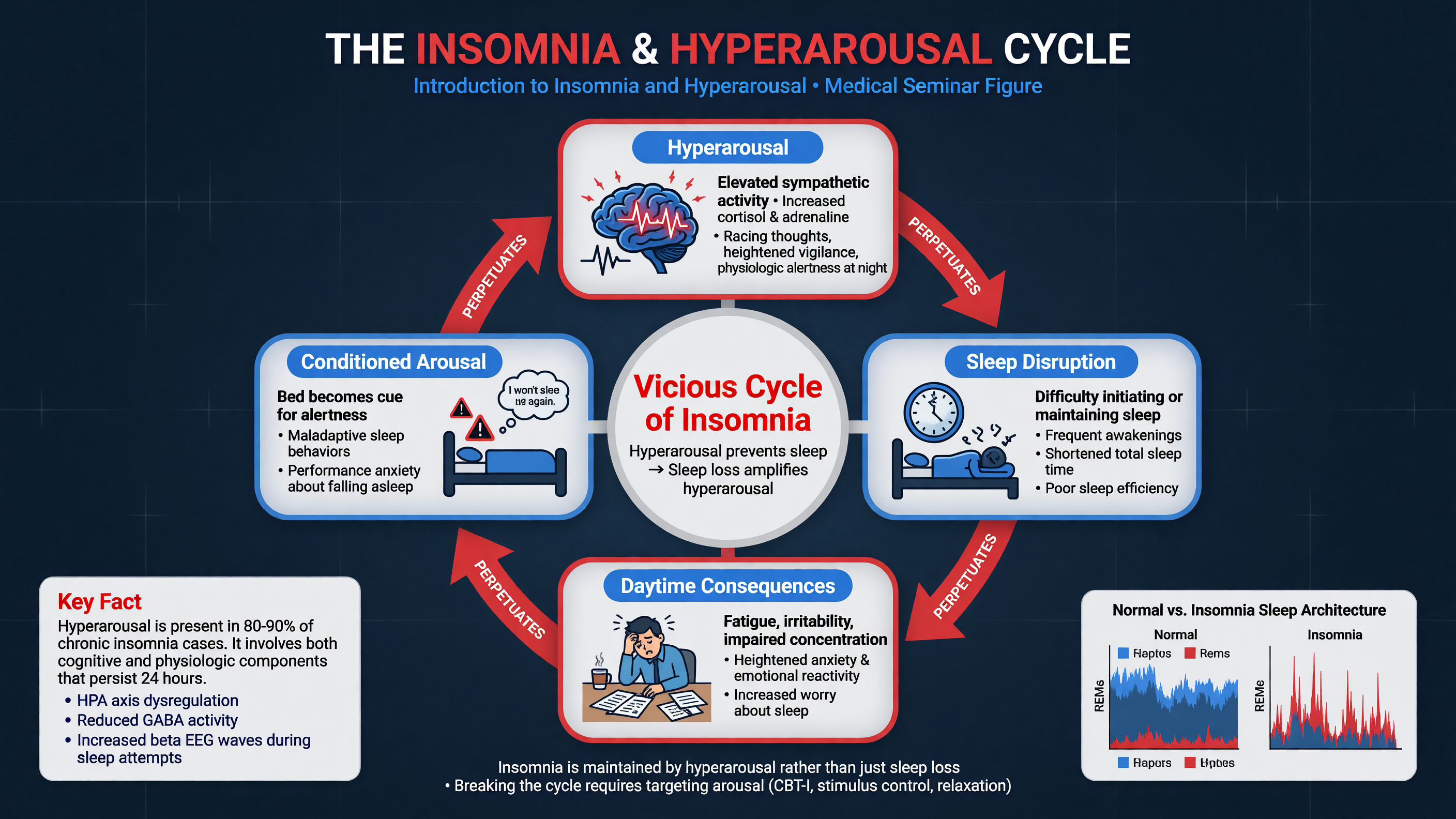
Hyperarousal describes a failure of cognitive, emotional, cortical, or physiological activation to downshift appropriately before and during sleep. Patients often describe being “exhausted but wired”: physically depleted yet mentally vigilant, monitoring the clock, rehearsing tomorrow’s obligations, or scanning for evidence that sleep is failing. Sleep effort then becomes paradoxical. The more urgently the patient tries to force sleep, the more the bed, darkness, and bodily sensations become cues for threat and performance monitoring.
**Framework:** A common reinforcing cycle is stress or sleep loss → concern about consequences → increased sleep effort and autonomic activation → delayed or fragmented sleep → extended time in bed, napping, cancelled activity, caffeine, alcohol, and clock checking → weaker sleep drive and stronger conditioned wakefulness in bed.
Assessment begins with a full sleep, medical, psychiatric, medication, and substance history. A 7–14-day consensus sleep diary should record bedtime, attempted sleep time, estimated sleep-onset latency, awakenings, final awakening, rising time, naps, caffeine, alcohol, medications, and workday–free-day variability. The Insomnia Severity Index quantifies symptom burden and treatment response but does not establish etiology. Ask specifically about snoring and witnessed apneas; an urge to move the legs that is worse at rest and at night; pain, reflux, nocturia, and vasomotor symptoms; stimulant, corticosteroid, decongestant, beta-agonist, nicotine, alcohol, and cannabis exposure; and anxiety, depression, PTSD, and suicidality. Decreased need for sleep with sustained energy, expansive or irritable mood, pressured speech, and increased goal-directed activity suggests hypomania or mania rather than ordinary insomnia.
**Decision Point:** Polysomnography is not routinely required. Obtain sleep testing when obstructive sleep apnea, periodic limb movements, parasomnia, nocturnal epilepsy, or another physiological sleep disorder is suspected, or when an apparently adequate treatment trial fails and the diagnosis remains uncertain. Actigraphy is more useful for suspected circadian misalignment, irregular scheduling, or discrepancy between diary and opportunity.
**Nuance:** Subjective–objective sleep discrepancy is common and is not evidence of malingering. Brief awakenings, persistent sensory processing, altered time estimation, and selective memory for wakefulness can make electrophysiologic sleep feel like continuous wakefulness. Validate the impairment while using diaries or objective data to recalibrate catastrophic interpretations.
**Audience Poll:** Which finding most changes your initial formulation: five hours of sleep with only five hours available, five hours during an eight-hour opportunity, or five hours accompanied by snoring and witnessed apnea?
---
## Neurobiological Underpinnings of Insomnia
### Duration: 10 min
Insomnia disorder is not synonymous with sleeping fewer than seven or eight hours. It is a persistent difficulty initiating sleep, maintaining sleep, or returning to sleep after an early awakening despite adequate opportunity and circumstances, accompanied by clinically meaningful daytime distress or impairment. Chronic insomnia generally requires symptoms at least three nights per week for at least three months. Daytime manifestations include fatigue, impaired concentration, irritability, reduced motivation, occupational errors, social dysfunction, and preoccupation with sleep. Irresistible daytime sleep attacks are less typical and should prompt consideration of insufficient sleep, obstructive sleep apnea, medication effects, or a central hypersomnolence disorder.
Approximately one third of adults report an insomnia symptom at some point, but prevalence falls when adequate opportunity, frequency, duration, and daytime impairment are required. Older epidemiologic estimates place strictly defined disorder near 6%–10%, while a recent meta-analysis of interview-defined DSM insomnia found a pooled prevalence of approximately 12% ([PMID: 17824495](https://pubmed.ncbi.nlm.nih.gov/17824495/); [PMID: 40369835](https://pubmed.ncbi.nlm.nih.gov/40369835/)). The distinction matters: population reports of “poor sleep” should not be presented as the prevalence of chronic insomnia disorder.
**MUST ACT:** Establish whether the patient cannot sleep or does not allow enough time to sleep. A resident sleeping five hours because of call, late documentation, and a fixed alarm primarily has insufficient sleep opportunity. A patient allocating eight hours but spending two of them awake may have insomnia. The two conditions can coexist, but insufficient opportunity is not treated by further restricting sleep.
Hyperarousal describes a failure of cognitive, emotional, cortical, or physiological activation to downshift appropriately before and during sleep. Patients often describe being “exhausted but wired”: physically depleted yet mentally vigilant, monitoring the clock, rehearsing tomorrow’s obligations, or scanning for evidence that sleep is failing. Sleep effort then becomes paradoxical. The more urgently the patient tries to force sleep, the more the bed, darkness, and bodily sensations become cues for threat and performance monitoring.
**Framework:** A common reinforcing cycle is stress or sleep loss → concern about consequences → increased sleep effort and autonomic activation → delayed or fragmented sleep → extended time in bed, napping, cancelled activity, caffeine, alcohol, and clock checking → weaker sleep drive and stronger conditioned wakefulness in bed.
Assessment begins with a full sleep, medical, psychiatric, medication, and substance history. A 7–14-day consensus sleep diary should record bedtime, attempted sleep time, estimated sleep-onset latency, awakenings, final awakening, rising time, naps, caffeine, alcohol, medications, and workday–free-day variability. The Insomnia Severity Index quantifies symptom burden and treatment response but does not establish etiology. Ask specifically about snoring and witnessed apneas; an urge to move the legs that is worse at rest and at night; pain, reflux, nocturia, and vasomotor symptoms; stimulant, corticosteroid, decongestant, beta-agonist, nicotine, alcohol, and cannabis exposure; and anxiety, depression, PTSD, and suicidality. Decreased need for sleep with sustained energy, expansive or irritable mood, pressured speech, and increased goal-directed activity suggests hypomania or mania rather than ordinary insomnia.
**Decision Point:** Polysomnography is not routinely required. Obtain sleep testing when obstructive sleep apnea, periodic limb movements, parasomnia, nocturnal epilepsy, or another physiological sleep disorder is suspected, or when an apparently adequate treatment trial fails and the diagnosis remains uncertain. Actigraphy is more useful for suspected circadian misalignment, irregular scheduling, or discrepancy between diary and opportunity.
**Nuance:** Subjective–objective sleep discrepancy is common and is not evidence of malingering. Brief awakenings, persistent sensory processing, altered time estimation, and selective memory for wakefulness can make electrophysiologic sleep feel like continuous wakefulness. Validate the impairment while using diaries or objective data to recalibrate catastrophic interpretations.
**Audience Poll:** Which finding most changes your initial formulation: five hours of sleep with only five hours available, five hours during an eight-hour opportunity, or five hours accompanied by snoring and witnessed apnea?
---
## Neurobiological Underpinnings of Insomnia
 ### Duration: 15 min
Normal sleep onset is an actively regulated state transition. Homeostatic sleep pressure, often called Process S, accumulates with time awake and is influenced partly by adenosine signaling. The circadian system, or Process C, is coordinated by the suprachiasmatic nucleus using retinal light input to time melatonin secretion, body-temperature rhythms, and the evening wake-promoting signal. Sleep is most likely when homeostatic pressure is high and the circadian system is permissive. Late bright light, irregular rising, evening work, and caffeine-mediated A1/A2A receptor blockade can oppose that transition even in a profoundly fatigued patient.
Sleep-promoting neurons in the ventrolateral and median preoptic regions release GABA and galanin to inhibit distributed wake systems. These include histaminergic neurons in the tuberomammillary nucleus, noradrenergic locus coeruleus neurons, serotonergic raphe neurons, cholinergic brainstem and basal-forebrain pathways, and lateral hypothalamic orexin neurons. Orexin-A and orexin-B signaling through OX1 and OX2 receptors stabilizes wakefulness and prevents inappropriate transitions between sleep and wake. Insomnia is therefore better conceptualized as a distributed failure to downregulate arousal than as excessive activity in one nucleus. Ordinary insomnia has not been established as a simple “orexin excess” disorder.
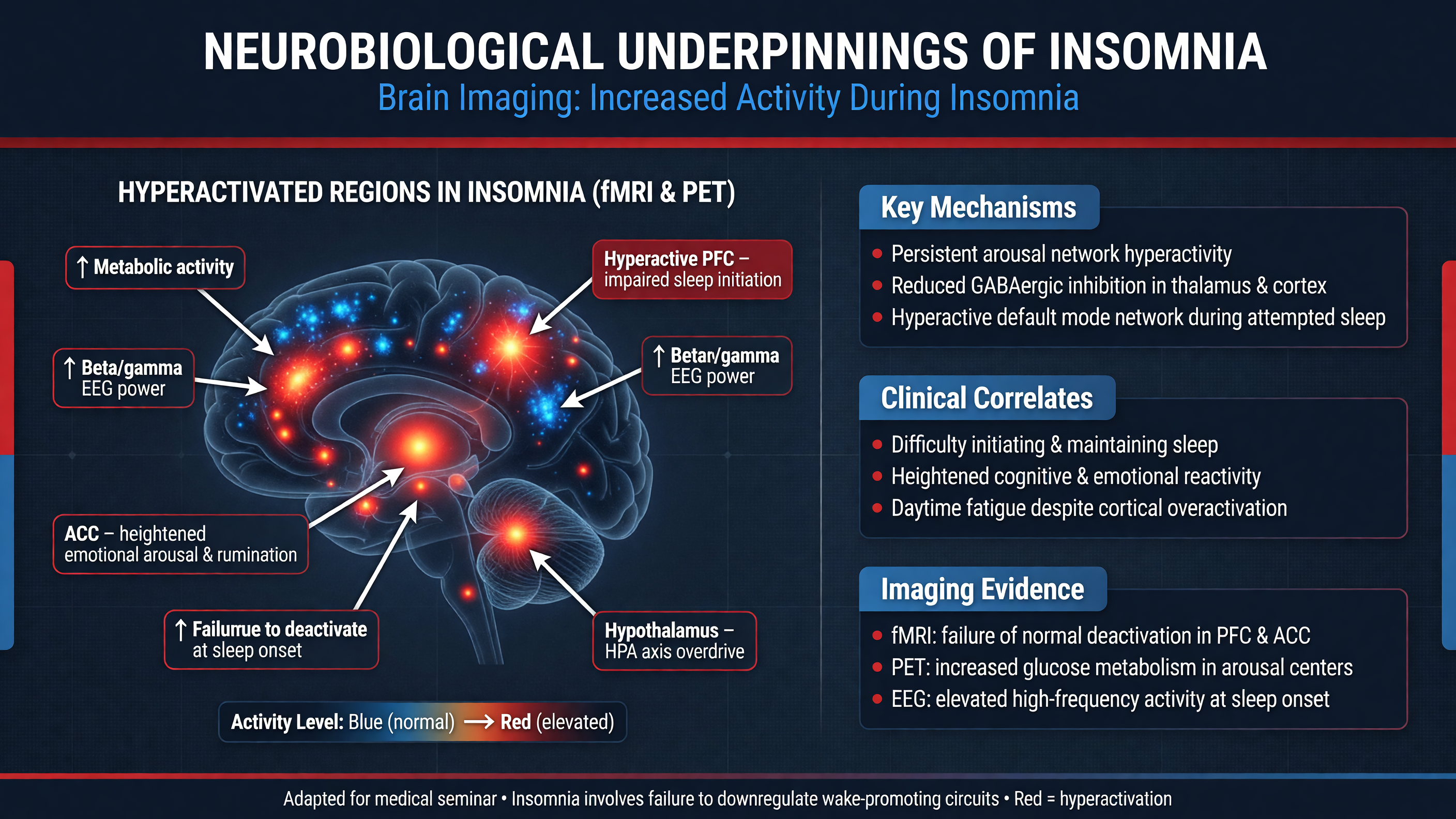
**Framework:** Hyperarousal can be considered across three interacting levels: cognitive-emotional arousal, including worry and threat monitoring; cortical arousal, reflected in persistent information processing and high-frequency EEG activity; and somatic arousal, involving autonomic and hypothalamic–pituitary–adrenal regulation.
The classic fluorodeoxyglucose PET study by Nofzinger and colleagues included only seven patients with insomnia and 20 controls. Patients showed greater global cerebral glucose metabolism during sleep and wakefulness, a smaller wake-to-sleep decline in wake-promoting regions, and lower relative prefrontal metabolism while awake. This offered a biologically coherent account of simultaneous nocturnal activation and daytime cognitive fatigue, but its small sample and later heterogeneous imaging literature preclude diagnostic use ([PMID: 15514418](https://pubmed.ncbi.nlm.nih.gov/15514418/)).
Electrophysiologic studies frequently—but not universally—find increased beta or gamma activity around sleep onset and during non-REM sleep. These frequencies are interpreted as residual cortical activation or sensory-information processing. They may also help explain why some patients experience shallow, wake-like mentation despite conventional scoring of sleep ([PMID: 12531000](https://pubmed.ncbi.nlm.nih.gov/12531000/)). Effects vary by night segment, sex, phenotype, and analytic method. Hyperarousal should therefore be presented as a probabilistic mechanism rather than a universal laboratory signature.
Autonomic findings include higher heart rate, lower parasympathetic-pattern heart-rate variability, increased catecholamine activity, and exaggerated responses to stress in some cohorts. Importantly, dysregulation may manifest as impaired recovery or heightened reactivity rather than a continuously elevated resting pulse. Endocrine evidence is similarly graded. Intensive sampling studies have found increased ACTH and cortisol secretion, particularly during the evening and first half of the night. A meta-analysis found moderately higher cortisol in chronic insomnia but substantial heterogeneity across sampling methods and phenotypes ([PMID: 35091194](https://pubmed.ncbi.nlm.nih.gov/35091194/)). A single morning cortisol level neither diagnoses hyperarousal nor selects treatment.
**MUST ACT:** Do not order PET, fMRI, quantitative EEG, cortisol testing, or heart-rate-variability monitoring to “confirm” routine insomnia. No neuroimaging, endocrine, autonomic, or wearable-derived biomarker currently has sufficient validity for bedside diagnosis or treatment selection.
Objective sleep duration may define clinically important heterogeneity. Patients with insomnia and repeatedly measured short sleep may show greater HPA activation and cardiometabolic risk than patients whose objective duration is preserved. Conversely, patients with marked subjective–objective discrepancy may be especially affected by nocturnal monitoring, persistent sensory awareness, and memory bias. One-night polysomnography is too noisy to make these formal clinical subtypes, however, and neither phenotype invalidates the patient’s impairment.
**Teaching Point:** Hyperarousal is not merely anxiety at bedtime. It may involve altered stress reactivity, learned associations, circadian timing, cortical information processing, and wake-stabilizing networks across the full 24-hour day ([PMID: 37183177](https://pubmed.ncbi.nlm.nih.gov/37183177/)).
**Decision Point:** Translate the neurobiology into modifiable targets: reduce conditioned arousal in bed, rebuild homeostatic pressure, stabilize circadian timing, address cognitive threat appraisal, and—when medication is justified—attenuate wake-promoting signaling without mistaking pharmacologic sedation for correction of every mechanism.
**Audience Poll:** Does a normal polysomnogram exclude clinically significant insomnia? What additional history would determine whether it represents preserved objective sleep, circadian mismatch, or an incorrect diagnosis?
---
## Personality Traits and Insomnia: A Biopsychosocial Perspective
### Duration: 15 min
Normal sleep onset is an actively regulated state transition. Homeostatic sleep pressure, often called Process S, accumulates with time awake and is influenced partly by adenosine signaling. The circadian system, or Process C, is coordinated by the suprachiasmatic nucleus using retinal light input to time melatonin secretion, body-temperature rhythms, and the evening wake-promoting signal. Sleep is most likely when homeostatic pressure is high and the circadian system is permissive. Late bright light, irregular rising, evening work, and caffeine-mediated A1/A2A receptor blockade can oppose that transition even in a profoundly fatigued patient.
Sleep-promoting neurons in the ventrolateral and median preoptic regions release GABA and galanin to inhibit distributed wake systems. These include histaminergic neurons in the tuberomammillary nucleus, noradrenergic locus coeruleus neurons, serotonergic raphe neurons, cholinergic brainstem and basal-forebrain pathways, and lateral hypothalamic orexin neurons. Orexin-A and orexin-B signaling through OX1 and OX2 receptors stabilizes wakefulness and prevents inappropriate transitions between sleep and wake. Insomnia is therefore better conceptualized as a distributed failure to downregulate arousal than as excessive activity in one nucleus. Ordinary insomnia has not been established as a simple “orexin excess” disorder.
**Framework:** Hyperarousal can be considered across three interacting levels: cognitive-emotional arousal, including worry and threat monitoring; cortical arousal, reflected in persistent information processing and high-frequency EEG activity; and somatic arousal, involving autonomic and hypothalamic–pituitary–adrenal regulation.
The classic fluorodeoxyglucose PET study by Nofzinger and colleagues included only seven patients with insomnia and 20 controls. Patients showed greater global cerebral glucose metabolism during sleep and wakefulness, a smaller wake-to-sleep decline in wake-promoting regions, and lower relative prefrontal metabolism while awake. This offered a biologically coherent account of simultaneous nocturnal activation and daytime cognitive fatigue, but its small sample and later heterogeneous imaging literature preclude diagnostic use ([PMID: 15514418](https://pubmed.ncbi.nlm.nih.gov/15514418/)).
Electrophysiologic studies frequently—but not universally—find increased beta or gamma activity around sleep onset and during non-REM sleep. These frequencies are interpreted as residual cortical activation or sensory-information processing. They may also help explain why some patients experience shallow, wake-like mentation despite conventional scoring of sleep ([PMID: 12531000](https://pubmed.ncbi.nlm.nih.gov/12531000/)). Effects vary by night segment, sex, phenotype, and analytic method. Hyperarousal should therefore be presented as a probabilistic mechanism rather than a universal laboratory signature.
Autonomic findings include higher heart rate, lower parasympathetic-pattern heart-rate variability, increased catecholamine activity, and exaggerated responses to stress in some cohorts. Importantly, dysregulation may manifest as impaired recovery or heightened reactivity rather than a continuously elevated resting pulse. Endocrine evidence is similarly graded. Intensive sampling studies have found increased ACTH and cortisol secretion, particularly during the evening and first half of the night. A meta-analysis found moderately higher cortisol in chronic insomnia but substantial heterogeneity across sampling methods and phenotypes ([PMID: 35091194](https://pubmed.ncbi.nlm.nih.gov/35091194/)). A single morning cortisol level neither diagnoses hyperarousal nor selects treatment.
**MUST ACT:** Do not order PET, fMRI, quantitative EEG, cortisol testing, or heart-rate-variability monitoring to “confirm” routine insomnia. No neuroimaging, endocrine, autonomic, or wearable-derived biomarker currently has sufficient validity for bedside diagnosis or treatment selection.
Objective sleep duration may define clinically important heterogeneity. Patients with insomnia and repeatedly measured short sleep may show greater HPA activation and cardiometabolic risk than patients whose objective duration is preserved. Conversely, patients with marked subjective–objective discrepancy may be especially affected by nocturnal monitoring, persistent sensory awareness, and memory bias. One-night polysomnography is too noisy to make these formal clinical subtypes, however, and neither phenotype invalidates the patient’s impairment.
**Teaching Point:** Hyperarousal is not merely anxiety at bedtime. It may involve altered stress reactivity, learned associations, circadian timing, cortical information processing, and wake-stabilizing networks across the full 24-hour day ([PMID: 37183177](https://pubmed.ncbi.nlm.nih.gov/37183177/)).
**Decision Point:** Translate the neurobiology into modifiable targets: reduce conditioned arousal in bed, rebuild homeostatic pressure, stabilize circadian timing, address cognitive threat appraisal, and—when medication is justified—attenuate wake-promoting signaling without mistaking pharmacologic sedation for correction of every mechanism.
**Audience Poll:** Does a normal polysomnogram exclude clinically significant insomnia? What additional history would determine whether it represents preserved objective sleep, circadian mismatch, or an incorrect diagnosis?
---
## Personality Traits and Insomnia: A Biopsychosocial Perspective
 ### Duration: 10 min
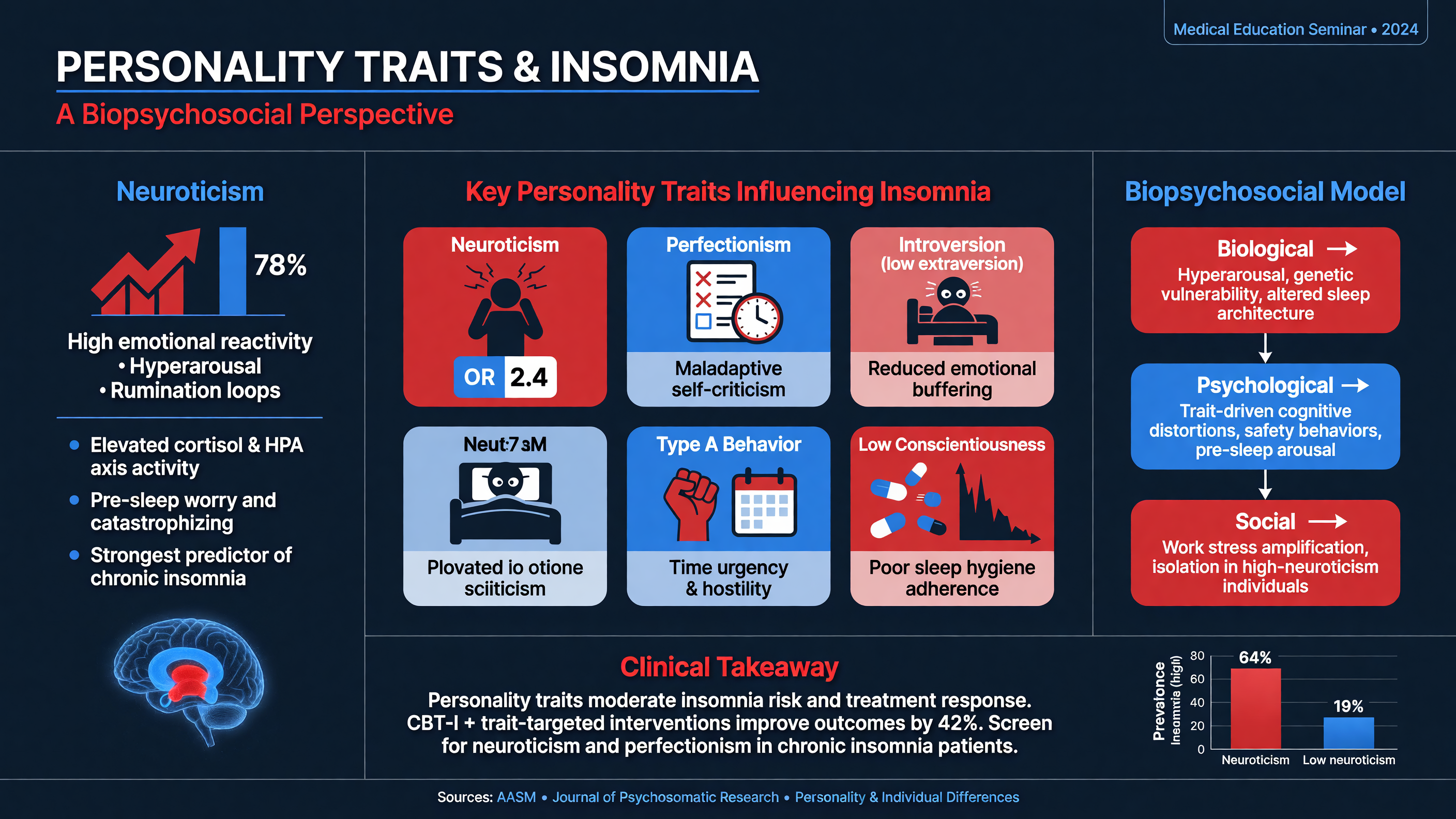
The Three-P model remains the most clinically useful framework for explaining why an acute sleep disturbance becomes chronic. Predisposing factors include familial vulnerability, high sleep reactivity, neuroticism or negative affect, prior anxiety or depression, trauma exposure, and biological sensitivity to arousal. Precipitating factors include illness, bereavement, promotion, examinations, conflict, caregiving, travel, shift changes, or medication exposure. Perpetuating factors are responses that remain after the precipitant has improved: extending time in bed, sleeping late, napping, cancelling activity, working in bed, monitoring wearables, escalating caffeine, using alcohol, and catastrophizing the consequences of imperfect sleep.
**Framework:** Predisposition explains who is vulnerable; precipitation explains why insomnia began now; perpetuation explains why it is still present and where treatment should intervene.
“High achiever” is a clinical context, not a validated insomnia phenotype. The older Type A construct can obscure substantial heterogeneity and should not be treated as a causal diagnosis. Systematic review evidence associates insomnia with neuroticism, negative affect, social inhibition, perfectionistic concerns, and several other traits, but much of the literature is cross-sectional and vulnerable to mood, stress, and self-report confounding ([PMID: 37654128](https://pubmed.ncbi.nlm.nih.gov/37654128/)). Poor sleep can itself increase emotional reactivity and alter how patients describe their personality.
Perfectionism is most relevant when separated into perfectionistic strivings and perfectionistic concerns. High standards and conscientious preparation may be adaptive. Concern over mistakes, doubt about performance, rigid rules, and self-criticism are more consistently associated with poor sleep. A meta-analysis found stronger relationships for perfectionistic concerns than for strivings, although both associations were modest and did not establish causality ([PMID: 36400679](https://pubmed.ncbi.nlm.nih.gov/36400679/)). The therapeutic target is therefore not ambition; it is the modifiable pathway from uncertainty to rumination, sleep effort, safety behavior, and conditioned arousal.
**Nuance:** Avoid telling a clinician, trainee, or executive that insomnia is “because you are Type A.” That formulation is reductive and can sound blaming. Ask instead what the patient predicts will happen after a poor night, how they compensate, whether they can disengage from unfinished tasks, and whether their standards permit recovery.
Sleep reactivity—the degree to which stress disrupts an individual’s sleep—provides a more specific vulnerability construct. Ford Insomnia Response to Stress Test scores predict future insomnia, and twin data suggest both heritable and nonshared environmental contributions ([PMID: 21886355](https://pubmed.ncbi.nlm.nih.gov/21886355/)). Sleep reactivity helps explain why identical call schedules or occupational stressors produce transient disturbance in one person but chronic insomnia in another.
Harvey’s cognitive model adds several maintaining mechanisms: selective attention to sleep-related threat, worry about daytime consequences, distorted perception of sleep, unhelpful beliefs, and “safety” behaviors that prevent corrective learning. Hiller and colleagues’ review of these cognitive processes—not neuroimaging—corresponds to PMID 25645129 ([PMID: 25645129](https://pubmed.ncbi.nlm.nih.gov/25645129/)). Clinically, the patient who cancels every demanding task after a poor night never discovers that performance is often better than predicted.
Social and occupational conditions complete the formulation. On-call work, time-zone travel, overnight electronic communication, caregiving, housing noise, economic insecurity, discrimination, and limited schedule control can overpower individual coping strategies. A prescription to “reduce stress” is not meaningful when the actual problem is a rotating schedule or unsafe housing.
**Decision Point:** Formulate a pathway rather than assigning a personality label: trait vulnerability → current stressor → cognitive intrusion and physiological arousal → specific perpetuating behaviors. The proximal maintaining behavior is usually more actionable than the trait.
**Teaching Point:** High-performing patients often respond well when treatment is framed as a time-limited behavioral experiment. Replace the goal “achieve perfect sleep” with “make sleep more predictable, reduce struggle, and preserve function after an imperfect night.”
**Audience Poll:** Which target is most modifiable this week: the patient’s conscientiousness, the promotion that occurred eight months ago, or the two extra hours now spent awake in bed?
---
## Cognitive Behavioral Therapy for Insomnia: Advanced Techniques
### Duration: 10 min
The Three-P model remains the most clinically useful framework for explaining why an acute sleep disturbance becomes chronic. Predisposing factors include familial vulnerability, high sleep reactivity, neuroticism or negative affect, prior anxiety or depression, trauma exposure, and biological sensitivity to arousal. Precipitating factors include illness, bereavement, promotion, examinations, conflict, caregiving, travel, shift changes, or medication exposure. Perpetuating factors are responses that remain after the precipitant has improved: extending time in bed, sleeping late, napping, cancelling activity, working in bed, monitoring wearables, escalating caffeine, using alcohol, and catastrophizing the consequences of imperfect sleep.
**Framework:** Predisposition explains who is vulnerable; precipitation explains why insomnia began now; perpetuation explains why it is still present and where treatment should intervene.
“High achiever” is a clinical context, not a validated insomnia phenotype. The older Type A construct can obscure substantial heterogeneity and should not be treated as a causal diagnosis. Systematic review evidence associates insomnia with neuroticism, negative affect, social inhibition, perfectionistic concerns, and several other traits, but much of the literature is cross-sectional and vulnerable to mood, stress, and self-report confounding ([PMID: 37654128](https://pubmed.ncbi.nlm.nih.gov/37654128/)). Poor sleep can itself increase emotional reactivity and alter how patients describe their personality.
Perfectionism is most relevant when separated into perfectionistic strivings and perfectionistic concerns. High standards and conscientious preparation may be adaptive. Concern over mistakes, doubt about performance, rigid rules, and self-criticism are more consistently associated with poor sleep. A meta-analysis found stronger relationships for perfectionistic concerns than for strivings, although both associations were modest and did not establish causality ([PMID: 36400679](https://pubmed.ncbi.nlm.nih.gov/36400679/)). The therapeutic target is therefore not ambition; it is the modifiable pathway from uncertainty to rumination, sleep effort, safety behavior, and conditioned arousal.
**Nuance:** Avoid telling a clinician, trainee, or executive that insomnia is “because you are Type A.” That formulation is reductive and can sound blaming. Ask instead what the patient predicts will happen after a poor night, how they compensate, whether they can disengage from unfinished tasks, and whether their standards permit recovery.
Sleep reactivity—the degree to which stress disrupts an individual’s sleep—provides a more specific vulnerability construct. Ford Insomnia Response to Stress Test scores predict future insomnia, and twin data suggest both heritable and nonshared environmental contributions ([PMID: 21886355](https://pubmed.ncbi.nlm.nih.gov/21886355/)). Sleep reactivity helps explain why identical call schedules or occupational stressors produce transient disturbance in one person but chronic insomnia in another.
Harvey’s cognitive model adds several maintaining mechanisms: selective attention to sleep-related threat, worry about daytime consequences, distorted perception of sleep, unhelpful beliefs, and “safety” behaviors that prevent corrective learning. Hiller and colleagues’ review of these cognitive processes—not neuroimaging—corresponds to PMID 25645129 ([PMID: 25645129](https://pubmed.ncbi.nlm.nih.gov/25645129/)). Clinically, the patient who cancels every demanding task after a poor night never discovers that performance is often better than predicted.
Social and occupational conditions complete the formulation. On-call work, time-zone travel, overnight electronic communication, caregiving, housing noise, economic insecurity, discrimination, and limited schedule control can overpower individual coping strategies. A prescription to “reduce stress” is not meaningful when the actual problem is a rotating schedule or unsafe housing.
**Decision Point:** Formulate a pathway rather than assigning a personality label: trait vulnerability → current stressor → cognitive intrusion and physiological arousal → specific perpetuating behaviors. The proximal maintaining behavior is usually more actionable than the trait.
**Teaching Point:** High-performing patients often respond well when treatment is framed as a time-limited behavioral experiment. Replace the goal “achieve perfect sleep” with “make sleep more predictable, reduce struggle, and preserve function after an imperfect night.”
**Audience Poll:** Which target is most modifiable this week: the patient’s conscientiousness, the promotion that occurred eight months ago, or the two extra hours now spent awake in bed?
---
## Cognitive Behavioral Therapy for Insomnia: Advanced Techniques
 ### Duration: 15 min
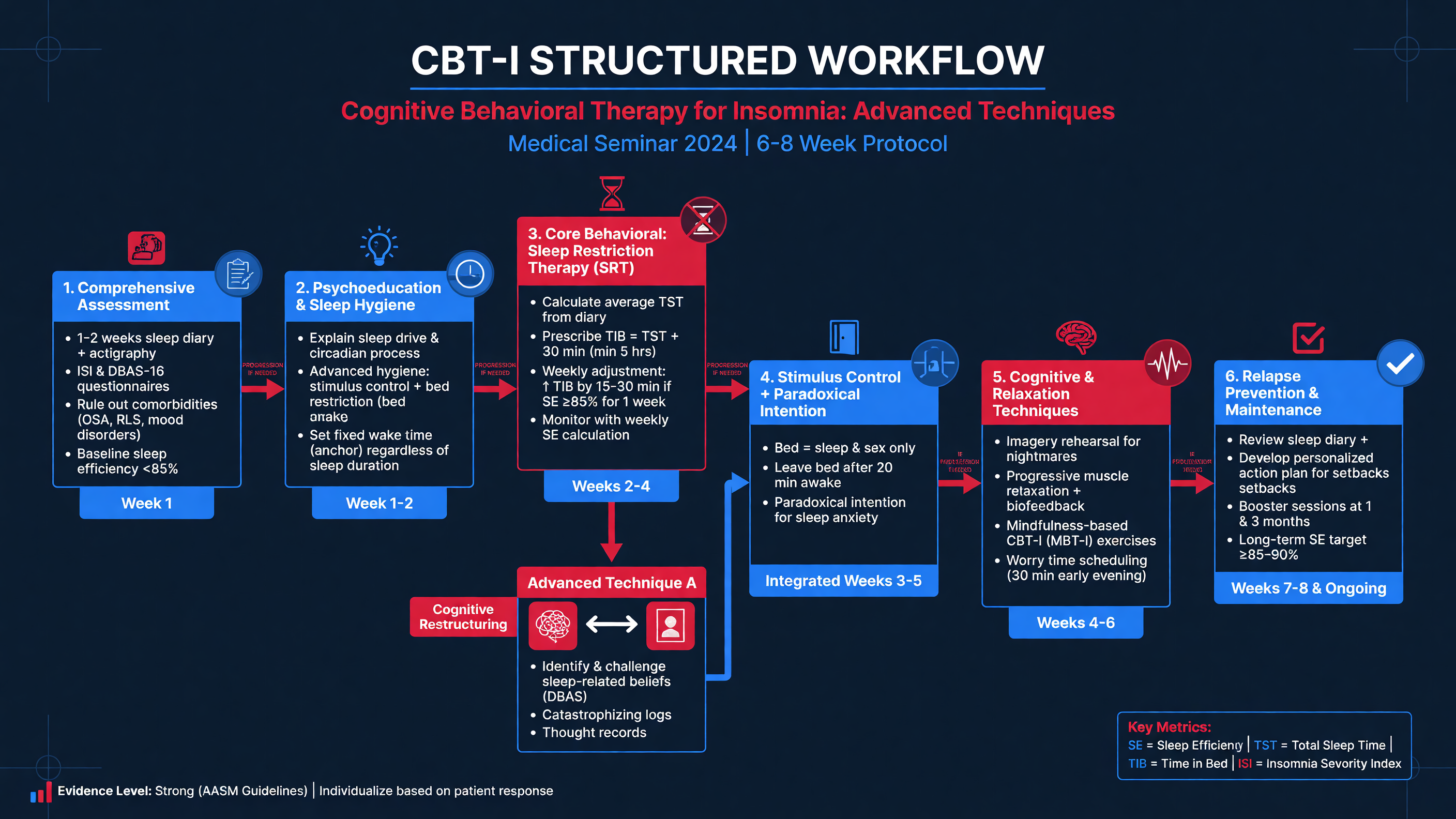
Multicomponent cognitive behavioral therapy for insomnia is the durable first-line treatment for chronic insomnia, including when medical or psychiatric comorbidity is present. The American Academy of Sleep Medicine gives CBT-I a strong recommendation; sleep hygiene alone is not an adequate treatment ([PMID: 33164742](https://pubmed.ncbi.nlm.nih.gov/33164742/)). Typical treatment requires four to eight sessions and combines sleep scheduling, stimulus control, cognitive intervention, and relapse prevention.
**Framework:** Begin with a 7–14-day diary, Insomnia Severity Index, required rise time, free-day timing, naps, substances, and a safety assessment. Calculate sleep efficiency as total sleep time divided by time in bed ×100. The objective is not simply a high percentage; it is consolidated, sufficiently long sleep with acceptable daytime function.
Time-in-bed restriction increases homeostatic sleep pressure and reduces wakefulness in bed. If a patient sleeps an average of 6.0 hours while spending 8.5 hours in bed, a reasonable initial window might be 6.0–6.5 hours anchored to a fixed rise time. Specialist protocols commonly use a 5–6-hour safety floor, but no minimum is universally safe. Review weekly: when sleep efficiency exceeds approximately 85%–90% and daytime function is acceptable, expand the window by 15–30 minutes; when efficiency remains low, first assess adherence, circadian mismatch, apnea, restless legs, pain, or substance effects before reducing it further.
**MUST ACT:** Warn patients that sleepiness and psychomotor performance can transiently worsen during early restriction. Modify or defer it in uncontrolled bipolar disorder, seizure disorders, severe daytime sleepiness, unstable medical illness, acute suicidality, or occupations involving driving, weapons, heights, or other safety-critical work. Sleep compression—gradually reducing time in bed by 15–30 minutes—is often preferable when abrupt restriction is unsafe or unacceptable.
Stimulus control rebuilds the bed–sleep association. The patient goes to bed only when sleepy and not before the prescribed window, reserves bed for sleep and sex, rises at the same time every day, and initially avoids naps. If clearly awake and struggling—roughly 15–20 minutes by subjective feel, without checking a clock—the patient leaves bed for a dimly lit, quiet activity and returns only when sleepy. For patients with falls risk or impaired mobility, sitting upright in bed or using a safe nearby chair is an appropriate adaptation.
Advanced cognitive work targets catastrophic forecasting, all-or-none standards, selective monitoring, and overestimation of impairment. Ask the patient to record the predicted consequence of a poor night and compare it with observed performance the next day. Schedule a 15–20-minute “constructive worry” period several hours before bed: write the concern, identify the next concrete action, and specify when it will be revisited. Remove visible clocks and discourage overnight wearable checking. Data should be entered once the following morning, not continuously audited in bed.
**Nuance:** Relaxation is a skill, not a test the patient must pass to earn sleep. Diaphragmatic breathing, progressive muscle relaxation, imagery, body scanning, or mindfulness can be practiced for 10–20 minutes in the evening. If relaxation becomes another performance ritual—“I completed the exercise and therefore must sleep”—shift toward acceptance, grounding, or nonjudgmental observation.
Paradoxical intention is useful for sleep-onset insomnia dominated by effort. Resting in darkness, the patient gently attempts to remain awake with eyes open without engaging in stimulating activity. The purpose is to relinquish the demand to sleep, not to turn wakefulness into another competition. Evidence suggests benefit for sleep-performance anxiety, but the literature is smaller and older than that supporting full CBT-I ([PMID: 34405469](https://pubmed.ncbi.nlm.nih.gov/34405469/)).
**Decision Point:** Normal sleep from 02:00 to 09:00 but severe difficulty sleeping from 22:30 to 06:00 suggests delayed sleep-wake phase disorder. Anchor wake time, increase morning light, reduce late-evening light, and consider correctly timed low-dose melatonin rather than repeatedly intensifying sleep restriction. Melatonin’s circadian effect depends more on timing than on using a large bedtime dose.
Monitor the ISI and diary at weeks 2, 4, and 6. A reduction of at least 7–8 points is a useful response threshold; an ISI below 8 often defines remission. If progress stalls, audit implementation and revisit the differential before declaring CBT-I failure. In a randomized trial, CBT-I plus zolpidem produced faster initial sleep-time gains, but the best sustained remission occurred when medication was discontinued during maintenance CBT-I ([PMID: 19454639](https://pubmed.ncbi.nlm.nih.gov/19454639/)).
**Audience Poll:** Which element is hardest to implement safely in your setting: a fixed rise time, leaving bed when awake, calculating the sleep window, or challenging catastrophic performance beliefs?
---
## Pharmacotherapy in Insomnia: Role of Dual Orexin Receptor Antagonists
### Duration: 15 min
Multicomponent cognitive behavioral therapy for insomnia is the durable first-line treatment for chronic insomnia, including when medical or psychiatric comorbidity is present. The American Academy of Sleep Medicine gives CBT-I a strong recommendation; sleep hygiene alone is not an adequate treatment ([PMID: 33164742](https://pubmed.ncbi.nlm.nih.gov/33164742/)). Typical treatment requires four to eight sessions and combines sleep scheduling, stimulus control, cognitive intervention, and relapse prevention.
**Framework:** Begin with a 7–14-day diary, Insomnia Severity Index, required rise time, free-day timing, naps, substances, and a safety assessment. Calculate sleep efficiency as total sleep time divided by time in bed ×100. The objective is not simply a high percentage; it is consolidated, sufficiently long sleep with acceptable daytime function.
Time-in-bed restriction increases homeostatic sleep pressure and reduces wakefulness in bed. If a patient sleeps an average of 6.0 hours while spending 8.5 hours in bed, a reasonable initial window might be 6.0–6.5 hours anchored to a fixed rise time. Specialist protocols commonly use a 5–6-hour safety floor, but no minimum is universally safe. Review weekly: when sleep efficiency exceeds approximately 85%–90% and daytime function is acceptable, expand the window by 15–30 minutes; when efficiency remains low, first assess adherence, circadian mismatch, apnea, restless legs, pain, or substance effects before reducing it further.
**MUST ACT:** Warn patients that sleepiness and psychomotor performance can transiently worsen during early restriction. Modify or defer it in uncontrolled bipolar disorder, seizure disorders, severe daytime sleepiness, unstable medical illness, acute suicidality, or occupations involving driving, weapons, heights, or other safety-critical work. Sleep compression—gradually reducing time in bed by 15–30 minutes—is often preferable when abrupt restriction is unsafe or unacceptable.
Stimulus control rebuilds the bed–sleep association. The patient goes to bed only when sleepy and not before the prescribed window, reserves bed for sleep and sex, rises at the same time every day, and initially avoids naps. If clearly awake and struggling—roughly 15–20 minutes by subjective feel, without checking a clock—the patient leaves bed for a dimly lit, quiet activity and returns only when sleepy. For patients with falls risk or impaired mobility, sitting upright in bed or using a safe nearby chair is an appropriate adaptation.
Advanced cognitive work targets catastrophic forecasting, all-or-none standards, selective monitoring, and overestimation of impairment. Ask the patient to record the predicted consequence of a poor night and compare it with observed performance the next day. Schedule a 15–20-minute “constructive worry” period several hours before bed: write the concern, identify the next concrete action, and specify when it will be revisited. Remove visible clocks and discourage overnight wearable checking. Data should be entered once the following morning, not continuously audited in bed.
**Nuance:** Relaxation is a skill, not a test the patient must pass to earn sleep. Diaphragmatic breathing, progressive muscle relaxation, imagery, body scanning, or mindfulness can be practiced for 10–20 minutes in the evening. If relaxation becomes another performance ritual—“I completed the exercise and therefore must sleep”—shift toward acceptance, grounding, or nonjudgmental observation.
Paradoxical intention is useful for sleep-onset insomnia dominated by effort. Resting in darkness, the patient gently attempts to remain awake with eyes open without engaging in stimulating activity. The purpose is to relinquish the demand to sleep, not to turn wakefulness into another competition. Evidence suggests benefit for sleep-performance anxiety, but the literature is smaller and older than that supporting full CBT-I ([PMID: 34405469](https://pubmed.ncbi.nlm.nih.gov/34405469/)).
**Decision Point:** Normal sleep from 02:00 to 09:00 but severe difficulty sleeping from 22:30 to 06:00 suggests delayed sleep-wake phase disorder. Anchor wake time, increase morning light, reduce late-evening light, and consider correctly timed low-dose melatonin rather than repeatedly intensifying sleep restriction. Melatonin’s circadian effect depends more on timing than on using a large bedtime dose.
Monitor the ISI and diary at weeks 2, 4, and 6. A reduction of at least 7–8 points is a useful response threshold; an ISI below 8 often defines remission. If progress stalls, audit implementation and revisit the differential before declaring CBT-I failure. In a randomized trial, CBT-I plus zolpidem produced faster initial sleep-time gains, but the best sustained remission occurred when medication was discontinued during maintenance CBT-I ([PMID: 19454639](https://pubmed.ncbi.nlm.nih.gov/19454639/)).
**Audience Poll:** Which element is hardest to implement safely in your setting: a fixed rise time, leaving bed when awake, calculating the sleep window, or challenging catastrophic performance beliefs?
---
## Pharmacotherapy in Insomnia: Role of Dual Orexin Receptor Antagonists
 ### Duration: 10 min
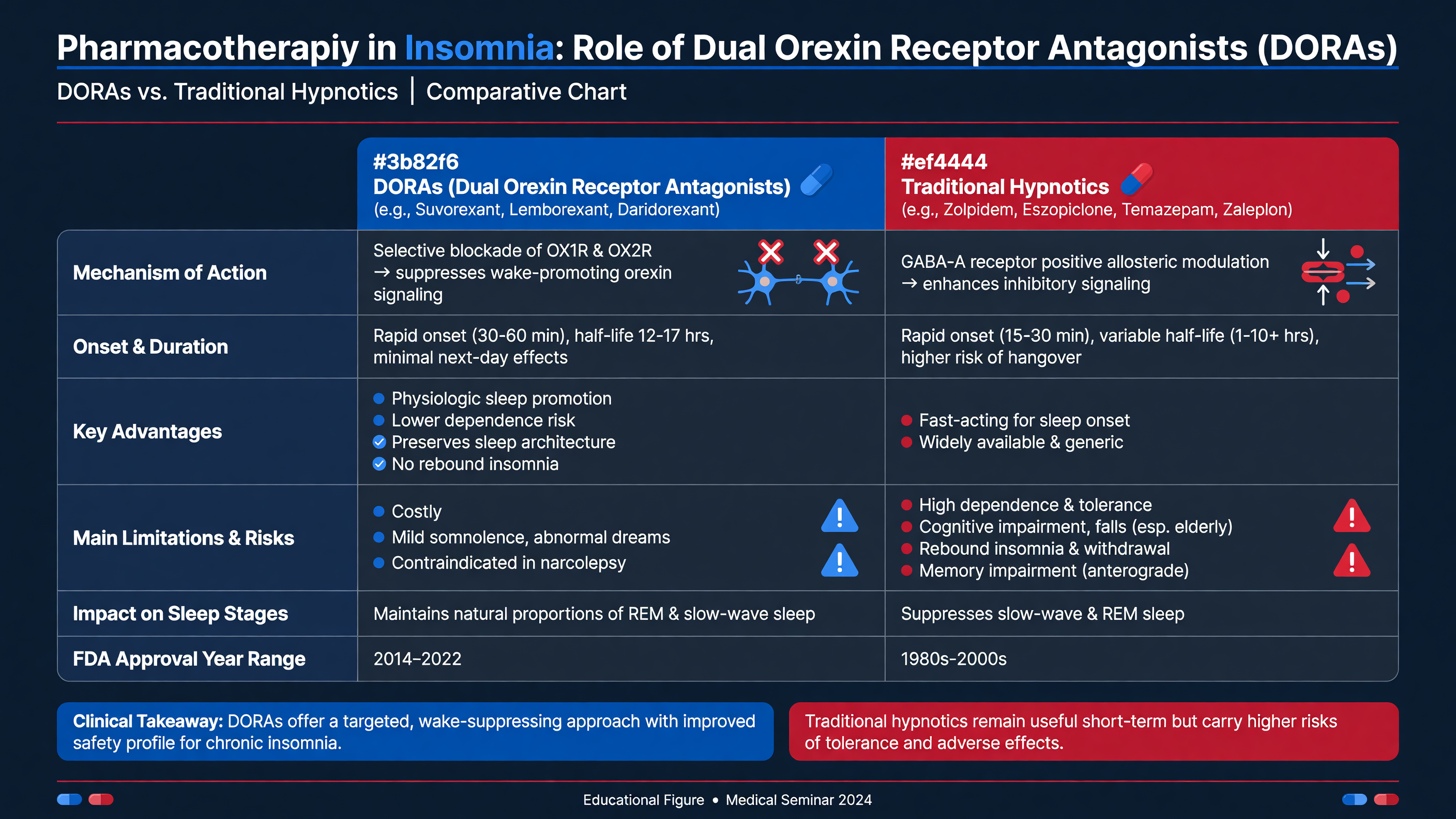
Dual orexin receptor antagonists suppress wake-promoting signaling at OX1 and OX2 receptors rather than broadly potentiating GABA-A inhibition. This mechanism is attractive for hyperarousal, but it does not prove that a patient has excessive orexin activity or eliminate cognitive, autonomic, circadian, or behavioral drivers. Orexin deficiency causes narcolepsy, explaining the class contraindication and possible REM-intrusion phenomena such as sleep paralysis, hypnagogic or hypnopompic hallucinations, and cataplexy-like weakness.
**Teaching Point:** Pharmacotherapy is reasonable when CBT-I is unavailable, insufficient, declined after informed discussion, or when a temporary adjunct is needed. Define the target—sleep onset, maintenance, or both—and measure baseline sleep and daytime function before prescribing.
Current U.S. dosing is as follows:
- **Suvorexant:** Start 10 mg within 30 minutes of bedtime with at least seven hours before planned awakening; increase only if tolerated but ineffective, to a maximum of 20 mg. With a moderate CYP3A inhibitor, use 5 mg and generally do not exceed 10 mg; avoid strong CYP3A inhibitors. Its mean half-life is approximately 12 hours. Exposure may be higher in obesity, particularly in women ([current Belsomra label](https://dailymed.nlm.nih.gov/dailymed/lookup.cfm?setid=e5b72731-1acb-45b7-9c13-290ad12d3951)).
- **Lemborexant:** Start 5 mg immediately before bedtime with at least seven hours remaining; increase to a maximum of 10 mg if needed. Avoid strong or moderate CYP3A inhibitors; with a weak inhibitor, do not exceed 5 mg. Use no more than 5 mg in moderate hepatic impairment and avoid severe hepatic impairment. Its effective half-life is approximately 17–19 hours ([current Dayvigo label](https://dailymed.nlm.nih.gov/dailymed/lookup.cfm?setid=7074cb65-77b3-45d2-8e8d-da8dc0f70bfd)).
- **Daridorexant:** Use 25 or 50 mg within 30 minutes of bedtime with at least seven hours remaining. Use 25 mg with a moderate CYP3A4 inhibitor; avoid strong inhibitors and moderate or strong inducers. Limit the dose to 25 mg in moderate hepatic impairment and avoid severe hepatic impairment. Its terminal half-life is approximately eight hours, although this does not prove less next-day impairment than other DORAs ([current Quviviq label](https://dailymed.nlm.nih.gov/dailymed/lookup.cfm?setid=3a2d1503-b816-40c9-9fac-7e03c5a3bcef)).
Food can delay onset. Do not redose during the night, combine with alcohol, or routinely combine with another hypnotic. Reconcile opioids, benzodiazepines, sedating antidepressants, antipsychotics, antihistamines, gabapentinoids, cannabis, and CYP3A modifiers.
Pivotal suvorexant trials found improvements in subjective total sleep time and objective wake after sleep onset, with less uniform sleep-onset effects and no marked withdrawal or rebound during randomized run-out ([PMID: 25526970](https://pubmed.ncbi.nlm.nih.gov/25526970/)). In SUNRISE 1, lemborexant improved polysomnographic onset and maintenance versus placebo and selected second-half-night maintenance outcomes versus zolpidem ER; that one-month older-adult trial does not establish class-wide superiority ([PMID: 31880796](https://pubmed.ncbi.nlm.nih.gov/31880796/)). SUNRISE 2 demonstrated sustained subjective benefits through six placebo-controlled months ([PMID: 32585700](https://pubmed.ncbi.nlm.nih.gov/32585700/)). Two daridorexant phase 3 trials showed dose-dependent improvements in onset, maintenance, and subjective total sleep time; 50 mg also improved a prespecified daytime-sleepiness domain ([PMID: 35065036](https://pubmed.ncbi.nlm.nih.gov/35065036/)). Placebo-adjusted improvements are generally measured in minutes, not hours.
**Nuance:** Do not claim that DORAs are categorically safer or more effective than benzodiazepines or Z-drugs. Direct comparisons are sparse, many trials are industry-sponsored, and rare harms and high-risk populations are underrepresented. Network meta-analysis can rank treatments but cannot replace head-to-head evidence ([PMID: 35843245](https://pubmed.ncbi.nlm.nih.gov/35843245/)).
All three DORAs are Schedule IV controlled substances. Counsel about next-day impairment, falls, worsening depression or suicidal thinking, sleep paralysis, hallucinations, cataplexy-like weakness, and complex sleep behaviors. Discontinue immediately after sleep-driving, sleepwalking, or another complex behavior. Narcolepsy is a contraindication. Respiratory studies are reassuring in selected mild-to-moderate populations, but a DORA does not replace evaluation and treatment of obstructive sleep apnea.
**Decision Point:** Reassess within one to four weeks for target improvement, next-day function, driving safety, falls, and unusual REM-transition symptoms. Continue only when clinically meaningful benefit justifies cost and adverse effects; a DORA does not prevent benzodiazepine withdrawal, so long-standing benzodiazepines require a separate gradual taper.
**Audience Poll:** Which factor most strongly favors a DORA in your patient: prior withdrawal from a GABAergic hypnotic, sleep-maintenance difficulty, concern about amnesia, or formulary access?
---
## Interactive Case Discussions and Management Strategies
### Duration: 10 min
Dual orexin receptor antagonists suppress wake-promoting signaling at OX1 and OX2 receptors rather than broadly potentiating GABA-A inhibition. This mechanism is attractive for hyperarousal, but it does not prove that a patient has excessive orexin activity or eliminate cognitive, autonomic, circadian, or behavioral drivers. Orexin deficiency causes narcolepsy, explaining the class contraindication and possible REM-intrusion phenomena such as sleep paralysis, hypnagogic or hypnopompic hallucinations, and cataplexy-like weakness.
**Teaching Point:** Pharmacotherapy is reasonable when CBT-I is unavailable, insufficient, declined after informed discussion, or when a temporary adjunct is needed. Define the target—sleep onset, maintenance, or both—and measure baseline sleep and daytime function before prescribing.
Current U.S. dosing is as follows:
- **Suvorexant:** Start 10 mg within 30 minutes of bedtime with at least seven hours before planned awakening; increase only if tolerated but ineffective, to a maximum of 20 mg. With a moderate CYP3A inhibitor, use 5 mg and generally do not exceed 10 mg; avoid strong CYP3A inhibitors. Its mean half-life is approximately 12 hours. Exposure may be higher in obesity, particularly in women ([current Belsomra label](https://dailymed.nlm.nih.gov/dailymed/lookup.cfm?setid=e5b72731-1acb-45b7-9c13-290ad12d3951)).
- **Lemborexant:** Start 5 mg immediately before bedtime with at least seven hours remaining; increase to a maximum of 10 mg if needed. Avoid strong or moderate CYP3A inhibitors; with a weak inhibitor, do not exceed 5 mg. Use no more than 5 mg in moderate hepatic impairment and avoid severe hepatic impairment. Its effective half-life is approximately 17–19 hours ([current Dayvigo label](https://dailymed.nlm.nih.gov/dailymed/lookup.cfm?setid=7074cb65-77b3-45d2-8e8d-da8dc0f70bfd)).
- **Daridorexant:** Use 25 or 50 mg within 30 minutes of bedtime with at least seven hours remaining. Use 25 mg with a moderate CYP3A4 inhibitor; avoid strong inhibitors and moderate or strong inducers. Limit the dose to 25 mg in moderate hepatic impairment and avoid severe hepatic impairment. Its terminal half-life is approximately eight hours, although this does not prove less next-day impairment than other DORAs ([current Quviviq label](https://dailymed.nlm.nih.gov/dailymed/lookup.cfm?setid=3a2d1503-b816-40c9-9fac-7e03c5a3bcef)).
Food can delay onset. Do not redose during the night, combine with alcohol, or routinely combine with another hypnotic. Reconcile opioids, benzodiazepines, sedating antidepressants, antipsychotics, antihistamines, gabapentinoids, cannabis, and CYP3A modifiers.
Pivotal suvorexant trials found improvements in subjective total sleep time and objective wake after sleep onset, with less uniform sleep-onset effects and no marked withdrawal or rebound during randomized run-out ([PMID: 25526970](https://pubmed.ncbi.nlm.nih.gov/25526970/)). In SUNRISE 1, lemborexant improved polysomnographic onset and maintenance versus placebo and selected second-half-night maintenance outcomes versus zolpidem ER; that one-month older-adult trial does not establish class-wide superiority ([PMID: 31880796](https://pubmed.ncbi.nlm.nih.gov/31880796/)). SUNRISE 2 demonstrated sustained subjective benefits through six placebo-controlled months ([PMID: 32585700](https://pubmed.ncbi.nlm.nih.gov/32585700/)). Two daridorexant phase 3 trials showed dose-dependent improvements in onset, maintenance, and subjective total sleep time; 50 mg also improved a prespecified daytime-sleepiness domain ([PMID: 35065036](https://pubmed.ncbi.nlm.nih.gov/35065036/)). Placebo-adjusted improvements are generally measured in minutes, not hours.
**Nuance:** Do not claim that DORAs are categorically safer or more effective than benzodiazepines or Z-drugs. Direct comparisons are sparse, many trials are industry-sponsored, and rare harms and high-risk populations are underrepresented. Network meta-analysis can rank treatments but cannot replace head-to-head evidence ([PMID: 35843245](https://pubmed.ncbi.nlm.nih.gov/35843245/)).
All three DORAs are Schedule IV controlled substances. Counsel about next-day impairment, falls, worsening depression or suicidal thinking, sleep paralysis, hallucinations, cataplexy-like weakness, and complex sleep behaviors. Discontinue immediately after sleep-driving, sleepwalking, or another complex behavior. Narcolepsy is a contraindication. Respiratory studies are reassuring in selected mild-to-moderate populations, but a DORA does not replace evaluation and treatment of obstructive sleep apnea.
**Decision Point:** Reassess within one to four weeks for target improvement, next-day function, driving safety, falls, and unusual REM-transition symptoms. Continue only when clinically meaningful benefit justifies cost and adverse effects; a DORA does not prevent benzodiazepine withdrawal, so long-standing benzodiazepines require a separate gradual taper.
**Audience Poll:** Which factor most strongly favors a DORA in your patient: prior withdrawal from a GABAergic hypnotic, sleep-maintenance difficulty, concern about amnesia, or formulary access?
---
## Interactive Case Discussions and Management Strategies
 ### Duration: 20 min
### Case: The High-Achieving Executive
A 35-year-old executive reports ten months of difficulty falling asleep and prolonged nocturnal awakenings beginning after a promotion. She enters bed at 22:00 to “guarantee eight hours,” works on a laptop until 22:45, estimates sleep onset near midnight, and frequently awakens from 03:30 to 04:30. Her alarm is set for 06:30, although she sleeps until 09:00 on weekends and takes a 90-minute Sunday nap. She drinks four coffees daily, the last at 15:00, and uses two glasses of wine several nights per week because it “switches off the brain.” Her ISI is 21.
She reports fatigue, irritability, and fear that one poor night will expose her as unqualified, but no irresistible sleep attacks. She wants more sleep and feels worse when sleep is short. There is no elevated mood, impulsivity, pressured speech, or decreased need for sleep. She denies suicidal ideation, restless-leg symptoms, snoring, witnessed apnea, parasomnia, and sedative misuse. Examination and targeted laboratory evaluation are unrevealing; her Epworth Sleepiness Scale is 7 and OSA risk is low.
**Audience Poll:** Which diagnosis must be excluded most urgently: bipolar-spectrum illness, delayed sleep-wake phase disorder, alcohol-related sleep fragmentation, obstructive sleep apnea, or chronic insomnia with conditioned hyperarousal?
The answer is not necessarily one diagnosis. Her desire for sleep and fatigue argue against mania. Weekend delay suggests a circadian contribution. Alcohol may shorten perceived latency but fragments later sleep. The history does not demand polysomnography, although OSA should be reconsidered if snoring, hypertension, weight change, or treatment resistance emerges.
A two-week diary shows 6.25 hours of average sleep during 8.5 hours in bed, for sleep efficiency of 74%. Workday–free-day timing varies by more than two hours. Her core formulation is high sleep reactivity plus an occupational precipitant, maintained by early bed entry, work in bed, variable rising, weekend recovery sleep, alcohol, late caffeine, clock monitoring, and catastrophic performance predictions.
**Framework:** Management proceeds through four questions: Is adequate sleep opportunity present? Is another disorder disrupting sleep? Which perpetuating mechanisms are active? Is medication necessary, and can it be used safely within the behavioral protocol?
The initial plan includes a fixed 06:30 rise time, morning outdoor light, caffeine cessation by noon, no alcohol as a hypnotic, and no work in bed. Given her safety-sensitive commute, the clinician chooses an initial 00:00–06:30 sleep window rather than an aggressive five-hour restriction. She goes to bed only when sleepy, leaves the bed when clearly awake and struggling, avoids naps, and completes her diary once each morning. At 20:30 she performs a structured “worry-to-action” exercise: name the concern, identify one next step, schedule it, and close the document.
Her cognitive experiment compares predicted and actual performance after nights with less than six hours of sleep. The objective is not to prove that sleep loss is harmless; it is to replace “tomorrow will be a catastrophe” with calibrated evidence. Overnight wearable notifications are disabled. If effortful sleep onset persists, paradoxical intention is introduced.
**Decision Point:** Should a DORA be started immediately? Her CBT-I window provides only 6.5 hours before awakening, whereas all U.S. DORA labels require at least seven hours remaining. Prescribing one without changing the schedule would violate safe-use instructions. Reasonable options are CBT-I alone, a less restrictive seven-hour compression window if medication is necessary, or delaying medication until the sleep opportunity can safely accommodate it.
She elects CBT-I alone initially. At week 2, sleep efficiency is 86%, sleep-onset latency has fallen from approximately 75 to 30 minutes, and ISI is 14. Because driving safety and daytime function are acceptable, the window is held for another week and then expanded in 15-minute increments when efficiency exceeds 90%. At week 6, her ISI is 7, average sleep is 6.9 hours, and she reports less fear after imperfect nights.
If severe symptoms had persisted despite correct implementation, revisiting OSA, restless legs, circadian delay, depression, substance exposure, and adherence would precede escalation. A medication trial might then use daridorexant 25 mg nightly, with a full seven-hour opportunity, review of CYP3A interactions, no alcohol, and reassessment within two weeks; escalation to 50 mg would require inadequate benefit and acceptable next-day function.
**MUST ACT:** Do not label a patient “treatment resistant” until the diagnosis, sleep opportunity, treatment dose, adherence, and competing pathology have been audited. Do not abruptly discontinue chronic benzodiazepines when introducing CBT-I or a DORA.
**Teaching Point:** The successful intervention did not lower her ambition. It reduced sleep effort, corrected conditioning, stabilized circadian cues, and restored confidence that an imperfect night could be managed without emergency compensation.
**Audience Poll:** At week 2, would you expand the window, hold it, add medication, or order polysomnography? What specific finding would justify each choice?
---
## Concluding Insights and Research Opportunities
### Duration: 20 min
### Case: The High-Achieving Executive
A 35-year-old executive reports ten months of difficulty falling asleep and prolonged nocturnal awakenings beginning after a promotion. She enters bed at 22:00 to “guarantee eight hours,” works on a laptop until 22:45, estimates sleep onset near midnight, and frequently awakens from 03:30 to 04:30. Her alarm is set for 06:30, although she sleeps until 09:00 on weekends and takes a 90-minute Sunday nap. She drinks four coffees daily, the last at 15:00, and uses two glasses of wine several nights per week because it “switches off the brain.” Her ISI is 21.
She reports fatigue, irritability, and fear that one poor night will expose her as unqualified, but no irresistible sleep attacks. She wants more sleep and feels worse when sleep is short. There is no elevated mood, impulsivity, pressured speech, or decreased need for sleep. She denies suicidal ideation, restless-leg symptoms, snoring, witnessed apnea, parasomnia, and sedative misuse. Examination and targeted laboratory evaluation are unrevealing; her Epworth Sleepiness Scale is 7 and OSA risk is low.
**Audience Poll:** Which diagnosis must be excluded most urgently: bipolar-spectrum illness, delayed sleep-wake phase disorder, alcohol-related sleep fragmentation, obstructive sleep apnea, or chronic insomnia with conditioned hyperarousal?
The answer is not necessarily one diagnosis. Her desire for sleep and fatigue argue against mania. Weekend delay suggests a circadian contribution. Alcohol may shorten perceived latency but fragments later sleep. The history does not demand polysomnography, although OSA should be reconsidered if snoring, hypertension, weight change, or treatment resistance emerges.
A two-week diary shows 6.25 hours of average sleep during 8.5 hours in bed, for sleep efficiency of 74%. Workday–free-day timing varies by more than two hours. Her core formulation is high sleep reactivity plus an occupational precipitant, maintained by early bed entry, work in bed, variable rising, weekend recovery sleep, alcohol, late caffeine, clock monitoring, and catastrophic performance predictions.
**Framework:** Management proceeds through four questions: Is adequate sleep opportunity present? Is another disorder disrupting sleep? Which perpetuating mechanisms are active? Is medication necessary, and can it be used safely within the behavioral protocol?
The initial plan includes a fixed 06:30 rise time, morning outdoor light, caffeine cessation by noon, no alcohol as a hypnotic, and no work in bed. Given her safety-sensitive commute, the clinician chooses an initial 00:00–06:30 sleep window rather than an aggressive five-hour restriction. She goes to bed only when sleepy, leaves the bed when clearly awake and struggling, avoids naps, and completes her diary once each morning. At 20:30 she performs a structured “worry-to-action” exercise: name the concern, identify one next step, schedule it, and close the document.
Her cognitive experiment compares predicted and actual performance after nights with less than six hours of sleep. The objective is not to prove that sleep loss is harmless; it is to replace “tomorrow will be a catastrophe” with calibrated evidence. Overnight wearable notifications are disabled. If effortful sleep onset persists, paradoxical intention is introduced.
**Decision Point:** Should a DORA be started immediately? Her CBT-I window provides only 6.5 hours before awakening, whereas all U.S. DORA labels require at least seven hours remaining. Prescribing one without changing the schedule would violate safe-use instructions. Reasonable options are CBT-I alone, a less restrictive seven-hour compression window if medication is necessary, or delaying medication until the sleep opportunity can safely accommodate it.
She elects CBT-I alone initially. At week 2, sleep efficiency is 86%, sleep-onset latency has fallen from approximately 75 to 30 minutes, and ISI is 14. Because driving safety and daytime function are acceptable, the window is held for another week and then expanded in 15-minute increments when efficiency exceeds 90%. At week 6, her ISI is 7, average sleep is 6.9 hours, and she reports less fear after imperfect nights.
If severe symptoms had persisted despite correct implementation, revisiting OSA, restless legs, circadian delay, depression, substance exposure, and adherence would precede escalation. A medication trial might then use daridorexant 25 mg nightly, with a full seven-hour opportunity, review of CYP3A interactions, no alcohol, and reassessment within two weeks; escalation to 50 mg would require inadequate benefit and acceptable next-day function.
**MUST ACT:** Do not label a patient “treatment resistant” until the diagnosis, sleep opportunity, treatment dose, adherence, and competing pathology have been audited. Do not abruptly discontinue chronic benzodiazepines when introducing CBT-I or a DORA.
**Teaching Point:** The successful intervention did not lower her ambition. It reduced sleep effort, corrected conditioning, stabilized circadian cues, and restored confidence that an imperfect night could be managed without emergency compensation.
**Audience Poll:** At week 2, would you expand the window, hold it, add medication, or order polysomnography? What specific finding would justify each choice?
---
## Concluding Insights and Research Opportunities
 ### Duration: 10 min
Insomnia is best understood as a disorder of sleep opportunity, regulation, learned association, cognition, and daytime consequence—not simply a deficiency of sedation. Hyperarousal integrates plausible cortical, autonomic, endocrine, and wake-network mechanisms, but remains heterogeneous and lacks a validated clinical biomarker. Personality traits influence vulnerability and coping without determining destiny. The most useful clinical formulation identifies the behaviors and appraisals currently maintaining the disorder.
**Teaching Point:** Diagnose clinically, screen actively for competing disorders, and treat perpetuating mechanisms. A normal polysomnogram does not negate insomnia, and an abnormal wearable metric does not establish it.
CBT-I remains the foundational treatment because it targets conditioned wakefulness, excessive time in bed, sleep effort, and catastrophic interpretation. Its implementation requires more than handing out sleep-hygiene advice. Clinicians must prescribe a sleep window, assess safety, teach stimulus control, monitor diaries, and expand opportunity once consolidation improves. Digital CBT-I can extend access and has improved sleep and daytime outcomes in randomized trials, but engagement, digital literacy, privacy, language access, comorbidity, and the need for clinician escalation remain important ([PMID: 30264137](https://pubmed.ncbi.nlm.nih.gov/30264137/)).
DORAs broaden pharmacologic options by attenuating wake-promoting orexin signaling. Their mechanism, lack of a prominent withdrawal signal in trials, and efficacy for maintenance make them valuable for selected patients. They nevertheless remain controlled CNS-active drugs with next-day impairment, complex-behavior, REM-intrusion, and suicidality warnings. Cost, access, CYP3A interactions, sleep opportunity, and patient preference can matter as much as theoretical pharmacology.
**Nuance:** “More physiologic sleep” and “safer than traditional hypnotics” are hypotheses requiring outcome-specific evidence, not class slogans. Preserved sleep architecture is not automatically equivalent to fewer falls, safer driving, better cognition, or superior long-term function.
**Framework:** Precision insomnia care should combine phenotype, mechanism, feasibility, and patient priorities: onset versus maintenance symptoms; objective short sleep versus preserved duration; circadian timing; cognitive versus somatic arousal; psychiatric and medical comorbidity; occupational risk; prior medication experience; and access to behavioral treatment.
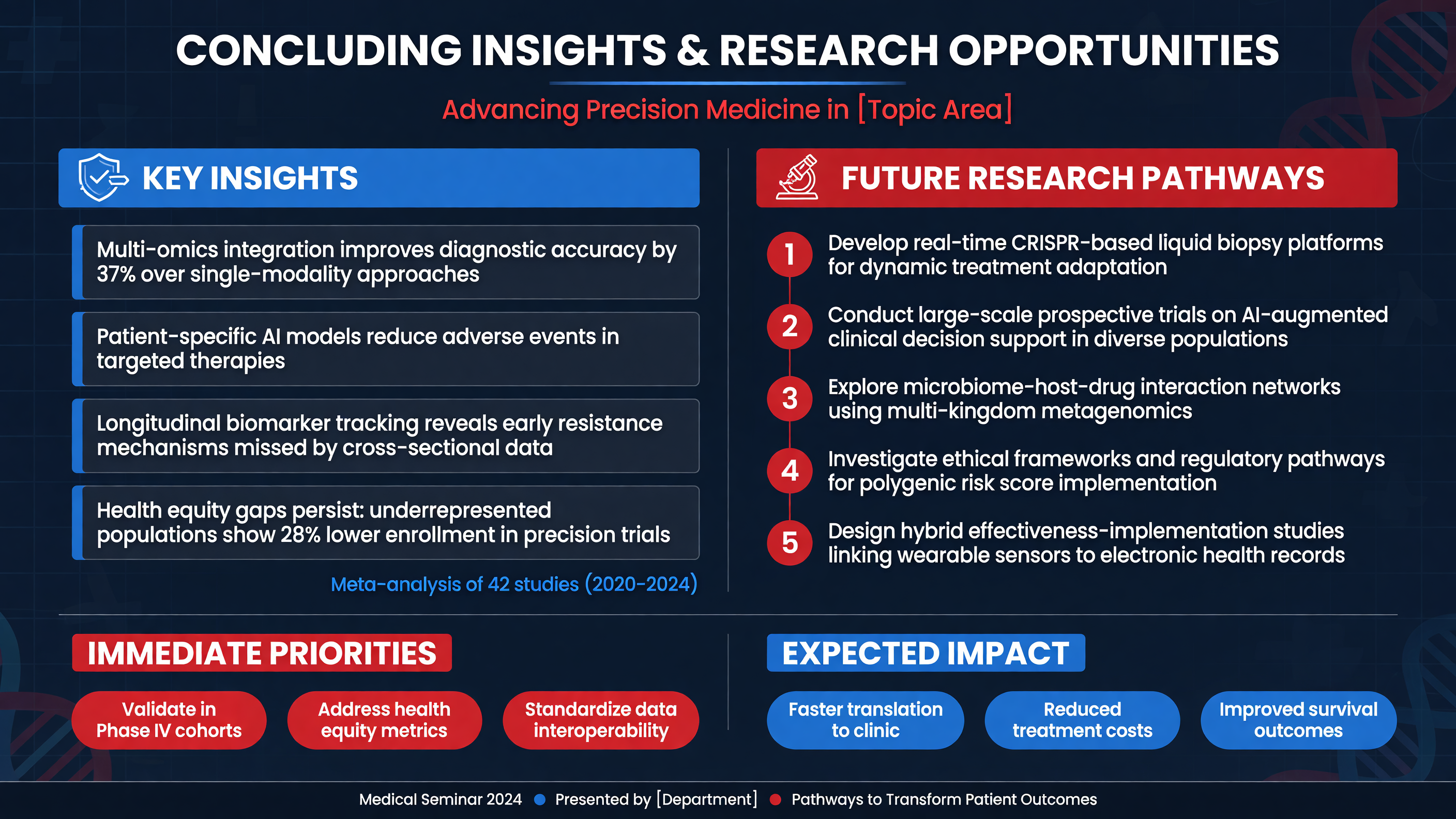
Research priorities include pragmatic head-to-head comparisons among DORAs and established treatments; trials of CBT-I sequencing, temporary combination therapy, and hypnotic deprescribing; long-term fall, driving, cognition, respiratory, and substance-use outcomes; and representative enrollment of older adults, pregnant patients, shift workers, and patients with complex psychiatric illness. Digital phenotyping may help detect variability and circadian misalignment, but algorithms must demonstrate incremental clinical value rather than merely generating more sleep metrics.
Selective OX2 antagonists and shorter-acting orexin agents remain areas of investigation. Early trials such as seltorexant suggest possible sleep-onset and maintenance effects, but short studies and regulatory status preclude routine use ([PMID: 40802194](https://pubmed.ncbi.nlm.nih.gov/40802194/)). Neuromodulation, closed-loop stimulation, autonomic interventions, and biomarker-guided treatment are likewise investigational.
**Decision Point:** The near-term opportunity is not waiting for a perfect biomarker. It is delivering measurement-based CBT-I, using pharmacotherapy selectively, and treating insomnia concurrently with—not subordinate to—OSA, pain, PTSD, depression, or other comorbidities.
**Audience Poll:** Which research gap would most change your practice: a validated responder phenotype, direct DORA comparisons, safer combination-treatment protocols, or scalable clinician-supported digital CBT-I?
---
## Tonight on Shift
- Confirm adequate sleep opportunity, daytime impairment, symptom duration, and the patient’s actual target complaint.
- Screen for mania, suicidality, OSA, restless legs, circadian misalignment, substances, medications, pain, and nocturnal symptoms.
- Start a 7–14-day sleep diary and use the ISI to establish a measurable baseline.
- Prescribe CBT-I as an active protocol—fixed rise time, safe sleep window, stimulus control, cognitive work, and planned reassessment.
- If using a DORA, reconcile CYP3A interactions and CNS depressants, ensure at least seven hours before awakening, and counsel about driving and complex sleep behaviors.
- Reassess diagnosis, implementation, safety, and meaningful daytime benefit before escalating, combining, or continuing treatment.
### Duration: 10 min
Insomnia is best understood as a disorder of sleep opportunity, regulation, learned association, cognition, and daytime consequence—not simply a deficiency of sedation. Hyperarousal integrates plausible cortical, autonomic, endocrine, and wake-network mechanisms, but remains heterogeneous and lacks a validated clinical biomarker. Personality traits influence vulnerability and coping without determining destiny. The most useful clinical formulation identifies the behaviors and appraisals currently maintaining the disorder.
**Teaching Point:** Diagnose clinically, screen actively for competing disorders, and treat perpetuating mechanisms. A normal polysomnogram does not negate insomnia, and an abnormal wearable metric does not establish it.
CBT-I remains the foundational treatment because it targets conditioned wakefulness, excessive time in bed, sleep effort, and catastrophic interpretation. Its implementation requires more than handing out sleep-hygiene advice. Clinicians must prescribe a sleep window, assess safety, teach stimulus control, monitor diaries, and expand opportunity once consolidation improves. Digital CBT-I can extend access and has improved sleep and daytime outcomes in randomized trials, but engagement, digital literacy, privacy, language access, comorbidity, and the need for clinician escalation remain important ([PMID: 30264137](https://pubmed.ncbi.nlm.nih.gov/30264137/)).
DORAs broaden pharmacologic options by attenuating wake-promoting orexin signaling. Their mechanism, lack of a prominent withdrawal signal in trials, and efficacy for maintenance make them valuable for selected patients. They nevertheless remain controlled CNS-active drugs with next-day impairment, complex-behavior, REM-intrusion, and suicidality warnings. Cost, access, CYP3A interactions, sleep opportunity, and patient preference can matter as much as theoretical pharmacology.
**Nuance:** “More physiologic sleep” and “safer than traditional hypnotics” are hypotheses requiring outcome-specific evidence, not class slogans. Preserved sleep architecture is not automatically equivalent to fewer falls, safer driving, better cognition, or superior long-term function.
**Framework:** Precision insomnia care should combine phenotype, mechanism, feasibility, and patient priorities: onset versus maintenance symptoms; objective short sleep versus preserved duration; circadian timing; cognitive versus somatic arousal; psychiatric and medical comorbidity; occupational risk; prior medication experience; and access to behavioral treatment.
Research priorities include pragmatic head-to-head comparisons among DORAs and established treatments; trials of CBT-I sequencing, temporary combination therapy, and hypnotic deprescribing; long-term fall, driving, cognition, respiratory, and substance-use outcomes; and representative enrollment of older adults, pregnant patients, shift workers, and patients with complex psychiatric illness. Digital phenotyping may help detect variability and circadian misalignment, but algorithms must demonstrate incremental clinical value rather than merely generating more sleep metrics.
Selective OX2 antagonists and shorter-acting orexin agents remain areas of investigation. Early trials such as seltorexant suggest possible sleep-onset and maintenance effects, but short studies and regulatory status preclude routine use ([PMID: 40802194](https://pubmed.ncbi.nlm.nih.gov/40802194/)). Neuromodulation, closed-loop stimulation, autonomic interventions, and biomarker-guided treatment are likewise investigational.
**Decision Point:** The near-term opportunity is not waiting for a perfect biomarker. It is delivering measurement-based CBT-I, using pharmacotherapy selectively, and treating insomnia concurrently with—not subordinate to—OSA, pain, PTSD, depression, or other comorbidities.
**Audience Poll:** Which research gap would most change your practice: a validated responder phenotype, direct DORA comparisons, safer combination-treatment protocols, or scalable clinician-supported digital CBT-I?
---
## Tonight on Shift
- Confirm adequate sleep opportunity, daytime impairment, symptom duration, and the patient’s actual target complaint.
- Screen for mania, suicidality, OSA, restless legs, circadian misalignment, substances, medications, pain, and nocturnal symptoms.
- Start a 7–14-day sleep diary and use the ISI to establish a measurable baseline.
- Prescribe CBT-I as an active protocol—fixed rise time, safe sleep window, stimulus control, cognitive work, and planned reassessment.
- If using a DORA, reconcile CYP3A interactions and CNS depressants, ensure at least seven hours before awakening, and counsel about driving and complex sleep behaviors.
- Reassess diagnosis, implementation, safety, and meaningful daytime benefit before escalating, combining, or continuing treatment.