# Cutting-Edge Therapies in Relapsed/Refractory Multiple Myeloma: From CAR-T to Bispecific Antibodies
## Learning Objectives
1. Distinguish biochemical relapse, clinical relapse, and true treatment refractoriness in multiple myeloma.
2. Explain how BCMA- and GPRC5D-directed bispecific antibodies and BCMA-directed CAR-T cells produce antimyeloma activity.
3. Interpret the efficacy, safety, and external-validity limits of MajesTEC-3 and the pivotal CAR-T trials.
4. Select between an off-the-shelf bispecific and autologous CAR-T at relapse.
5. Sequence antigen-directed therapies while preserving T-cell fitness, target availability, and future options.
6. Recognize and manage CRS, ICANS, infection, cytopenias, and target-specific toxicities using product-specific protocols.
7. Anticipate how fixed-duration therapy, new targets, and next-generation cellular products may change care.
---
## Introduction to Multiple Myeloma and Current Treatment Challenges
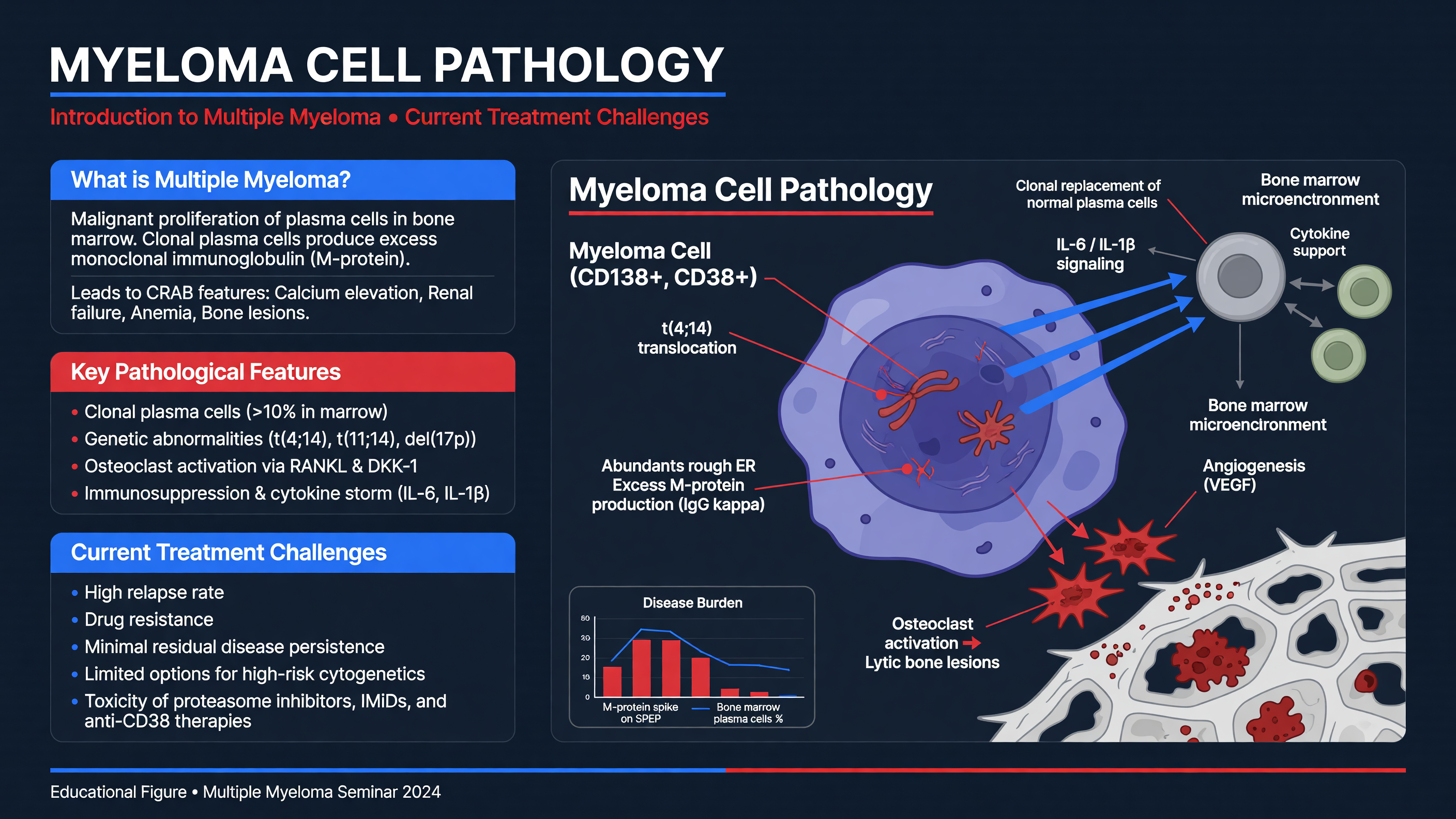 Multiple myeloma is a genetically heterogeneous plasma-cell malignancy in which a clonal population occupies marrow, produces a monoclonal immunoglobulin or free light chain, and perturbs bone, kidney, hematopoietic, and immune homeostasis. Adhesion to stromal cells, IL-6 signaling, osteoclast activation, osteoblast suppression, angiogenesis, regulatory T cells, myeloid-derived suppressor cells, and exhausted effectors support persistence. Successive therapies select resistant subclones, antigen-low populations, and extramedullary disease. Myeloma is often controllable for years but remains biologically dynamic and, for most patients, incurable (Awadallah, *Oncology*, 2026, PMID: 42329247).
**Teaching Point:** Diagnose active disease before treating a laboratory value. Active myeloma requires at least 10% clonal marrow plasma cells or a biopsy-proven plasmacytoma plus a myeloma-defining event. Those events are attributable CRAB injury—hypercalcemia, renal impairment, anemia, or bone disease—or a SLiM biomarker: at least 60% clonal marrow plasma cells, an involved-to-uninvolved serum free-light-chain ratio of at least 100 with the involved chain at least 100 mg/L, or more than one MRI focal lesion at least 5 mm. MGUS and smoldering myeloma do not become active myeloma merely because the M-protein rises.
At relapse, determine whether this is biochemical progression or organ-threatening clinical relapse. Repeat serum and urine studies, free light chains, CBC, metabolic panel, and disease-appropriate imaging; marrow examination with updated FISH or sequencing is valuable when phenotype changes, cytopenias are unexplained, or a trial is contemplated. Do not automatically attribute acute kidney injury to light chains: volume depletion, hypercalcemia, medications, sepsis, obstruction, and amyloidosis remain competing diagnoses. Nephrotic proteinuria, unexplained cardiomyopathy, autonomic neuropathy, or macroglossia should prompt evaluation for AL amyloidosis (Gertz, *Am J Hematol*, 2026, PMID: 41723627). Anemia may reflect bleeding, deficiency, renal disease, hemolysis, or therapy-related myeloid neoplasia. Rapidly rising light chains, new plasmacytomas, circulating plasma cells, or a short treatment-free interval signal dangerous biology.
**MUST ACT:** New renal failure, symptomatic hypercalcemia, spinal cord compression, pathologic fracture, hyperviscosity, severe cytopenia, or explosive extramedullary progression requires same-day stabilization and antimyeloma planning; referral paperwork for an advanced therapy must not delay dexamethasone, hydration, imaging, radiation or surgery when indicated, and appropriately chosen cytoreduction.
Modern induction and relapse regimens draw from proteasome inhibitors, immunomodulatory drugs, anti-CD38 antibodies, corticosteroids, alkylators, nuclear-export inhibition, and cellular or antibody-based immunotherapy. The vocabulary matters: *exposed* means a patient has received a class; *refractory* means progression on therapy or within the accepted interval after stopping it. “Triple-class exposed” is not synonymous with triple-class refractory. Prior depth and duration of response, cumulative neuropathy, cardiopulmonary reserve, renal function, infection history, cytogenetics—especially del(17p)/TP53 abnormalities, t(4;14), t(14;16), and gain/amplification 1q—frailty, caregiver capacity, and access all influence the next line.
**Framework:** At every relapse, answer four questions in order: How fast must disease control occur? Which drug classes and antigens remain biologically credible? Can the patient safely reach and complete the treatment? What option must be preserved for the next relapse? The first answer separates an off-the-shelf strategy from a manufacturing-dependent one; the remaining answers prevent reflexive “drug-of-the-month” sequencing.
**Decision Point:** CAR-T and bispecific antibodies are not interchangeable versions of the same treatment. CAR-T offers a single infusion and a potential treatment-free interval but requires referral, leukapheresis, manufacturing, lymphodepletion, and intensive early monitoring. Bispecific antibodies can be started promptly and do not require successful manufacturing, but most are administered continuously or on a step-down schedule and create sustained immune pressure, particularly hypogammaglobulinemia and infection risk.
**Audience Poll:** In a fit patient at first relapse, which factor most often determines your real-world choice: disease tempo, prior antigen exposure, expected durability, infection risk, or access to a cellular-therapy center?
---
## Bispecific Antibodies: Mechanism, Efficacy & Safety
Multiple myeloma is a genetically heterogeneous plasma-cell malignancy in which a clonal population occupies marrow, produces a monoclonal immunoglobulin or free light chain, and perturbs bone, kidney, hematopoietic, and immune homeostasis. Adhesion to stromal cells, IL-6 signaling, osteoclast activation, osteoblast suppression, angiogenesis, regulatory T cells, myeloid-derived suppressor cells, and exhausted effectors support persistence. Successive therapies select resistant subclones, antigen-low populations, and extramedullary disease. Myeloma is often controllable for years but remains biologically dynamic and, for most patients, incurable (Awadallah, *Oncology*, 2026, PMID: 42329247).
**Teaching Point:** Diagnose active disease before treating a laboratory value. Active myeloma requires at least 10% clonal marrow plasma cells or a biopsy-proven plasmacytoma plus a myeloma-defining event. Those events are attributable CRAB injury—hypercalcemia, renal impairment, anemia, or bone disease—or a SLiM biomarker: at least 60% clonal marrow plasma cells, an involved-to-uninvolved serum free-light-chain ratio of at least 100 with the involved chain at least 100 mg/L, or more than one MRI focal lesion at least 5 mm. MGUS and smoldering myeloma do not become active myeloma merely because the M-protein rises.
At relapse, determine whether this is biochemical progression or organ-threatening clinical relapse. Repeat serum and urine studies, free light chains, CBC, metabolic panel, and disease-appropriate imaging; marrow examination with updated FISH or sequencing is valuable when phenotype changes, cytopenias are unexplained, or a trial is contemplated. Do not automatically attribute acute kidney injury to light chains: volume depletion, hypercalcemia, medications, sepsis, obstruction, and amyloidosis remain competing diagnoses. Nephrotic proteinuria, unexplained cardiomyopathy, autonomic neuropathy, or macroglossia should prompt evaluation for AL amyloidosis (Gertz, *Am J Hematol*, 2026, PMID: 41723627). Anemia may reflect bleeding, deficiency, renal disease, hemolysis, or therapy-related myeloid neoplasia. Rapidly rising light chains, new plasmacytomas, circulating plasma cells, or a short treatment-free interval signal dangerous biology.
**MUST ACT:** New renal failure, symptomatic hypercalcemia, spinal cord compression, pathologic fracture, hyperviscosity, severe cytopenia, or explosive extramedullary progression requires same-day stabilization and antimyeloma planning; referral paperwork for an advanced therapy must not delay dexamethasone, hydration, imaging, radiation or surgery when indicated, and appropriately chosen cytoreduction.
Modern induction and relapse regimens draw from proteasome inhibitors, immunomodulatory drugs, anti-CD38 antibodies, corticosteroids, alkylators, nuclear-export inhibition, and cellular or antibody-based immunotherapy. The vocabulary matters: *exposed* means a patient has received a class; *refractory* means progression on therapy or within the accepted interval after stopping it. “Triple-class exposed” is not synonymous with triple-class refractory. Prior depth and duration of response, cumulative neuropathy, cardiopulmonary reserve, renal function, infection history, cytogenetics—especially del(17p)/TP53 abnormalities, t(4;14), t(14;16), and gain/amplification 1q—frailty, caregiver capacity, and access all influence the next line.
**Framework:** At every relapse, answer four questions in order: How fast must disease control occur? Which drug classes and antigens remain biologically credible? Can the patient safely reach and complete the treatment? What option must be preserved for the next relapse? The first answer separates an off-the-shelf strategy from a manufacturing-dependent one; the remaining answers prevent reflexive “drug-of-the-month” sequencing.
**Decision Point:** CAR-T and bispecific antibodies are not interchangeable versions of the same treatment. CAR-T offers a single infusion and a potential treatment-free interval but requires referral, leukapheresis, manufacturing, lymphodepletion, and intensive early monitoring. Bispecific antibodies can be started promptly and do not require successful manufacturing, but most are administered continuously or on a step-down schedule and create sustained immune pressure, particularly hypogammaglobulinemia and infection risk.
**Audience Poll:** In a fit patient at first relapse, which factor most often determines your real-world choice: disease tempo, prior antigen exposure, expected durability, infection risk, or access to a cellular-therapy center?
---
## Bispecific Antibodies: Mechanism, Efficacy & Safety
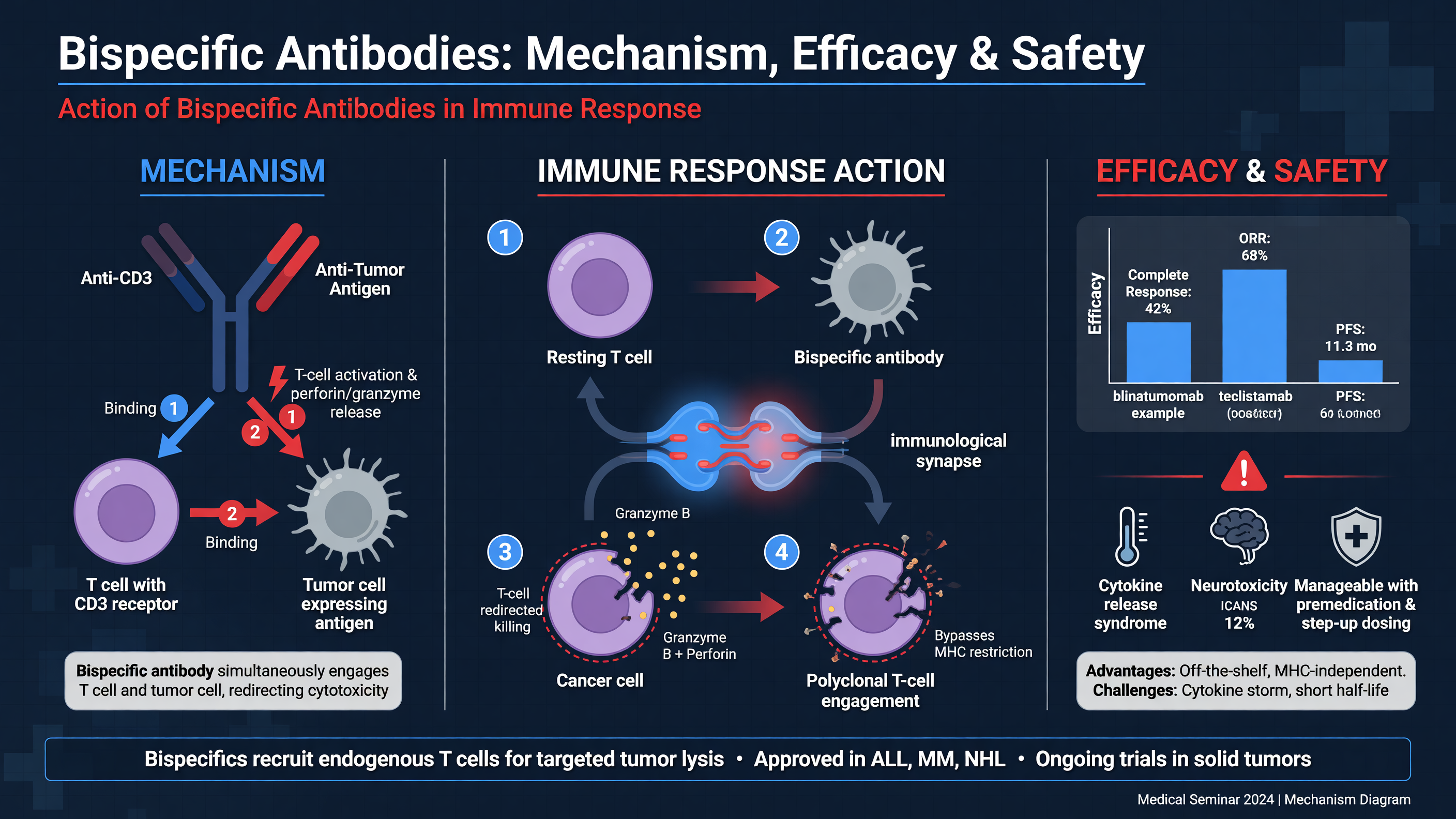 Bispecific T-cell–redirecting antibodies contain one binding arm for CD3 on T cells and another for a plasma-cell antigen. By physically approximating effector and target, they create an immune synapse without requiring conventional peptide–MHC recognition. CD3 signaling drives T-cell activation, proliferation, degranulation, and perforin/granzyme-mediated killing; cytokine release accounts for both amplification of antitumor activity and cytokine release syndrome (CRS). Activity depends on target density, effector-to-target ratio, T-cell fitness, and the suppressive marrow environment. Repeated stimulation can produce exhaustion, while tumor escape can arise through antigen downregulation or loss.
BCMA is highly expressed on malignant and normal plasma cells and supports plasma-cell survival through APRIL/BAFF signaling. Teclistamab, elranatamab, and linvoseltamab engage BCMA and CD3. GPRC5D is an independent plasma-cell target expressed in keratinized tissues; talquetamab engages GPRC5D and CD3. Its expression in keratinized tissues is associated with and may contribute to talquetamab’s dysgeusia, xerostomia, skin desquamation, nail changes, and weight loss. These are full-length or engineered antibodies with prolonged exposure; “BiTE” is a convenient but structurally imprecise generic label.
**Teaching Point:** In MajesTEC-1, subcutaneous teclistamab monotherapy produced a 63.0% overall response rate (ORR) and median progression-free survival (PFS) of 11.3 months in heavily pretreated, triple-class–exposed RRMM (PMID: 35661166). That 63% figure belongs to MajesTEC-1—not MajesTEC-3. MagnetisMM-3 reported a 61.0% ORR with elranatamab in BCMA-naive patients (PMID: 37582952). Mature MonumenTAL-1 analysis found ORRs of 74% and 69% across talquetamab’s recommended schedules and 67% after prior T-cell–redirecting therapy (PMID: 40090350). Linvoseltamab added another BCMA×CD3 option in the United States in 2025. Cross-trial rankings are unsafe because prior BCMA exposure, extramedullary disease, follow-up, dose modification, and eligibility differ.
Practical dosing illustrates the class. Teclistamab monotherapy is given subcutaneously after 0.06-mg/kg and 0.3-mg/kg step-up doses, followed by 1.5 mg/kg weekly; patients with a sustained complete response may qualify for less frequent dosing under the label. Elranatamab uses 12-mg and 32-mg priming doses before 76 mg weekly, with later spacing for responding patients. Talquetamab may be given 0.4 mg/kg weekly after 0.01- and 0.06-mg/kg step-up doses, or 0.8 mg/kg every two weeks after an additional 0.4-mg/kg step-up. Exact timing, premedication, post-dose observation, restart after interruption, and eligibility for dose spacing are product-specific; do not substitute one label’s algorithm for another.
**MUST ACT:** Before the first step-up dose, document neurologic baseline and oxygen requirement; obtain CBC, renal and hepatic indices, electrolytes, quantitative immunoglobulins, and infection screening; start herpes-zoster and *Pneumocystis jirovecii* prophylaxis; update non-live vaccines when feasible; and create an immunoglobulin-replacement plan. Starting treatment with uncontrolled infection converts a predictable hazard into an avoidable catastrophe.
CRS is concentrated around step-up and first full doses. Fever is often grade 1, but infection must be evaluated in parallel because neutropenic sepsis can look identical. ICANS is less common than CRS, yet handwriting change, inattention, aphasia, somnolence, seizure, or focal deficits require an immune-effector-cell encephalopathy assessment and exclusion of stroke, infection, medication effect, and metabolic disease. BCMA-directed antibodies deplete normal plasma cells, causing profound hypogammaglobulinemia and susceptibility to bacterial and viral respiratory infection; opportunistic infections including PJP and CMV occur. Neutropenia compounds risk. GPRC5D targeting generally causes less direct humoral depletion but can impair eating and hydration through oral toxicity.
**Nuance:** Intravenous immunoglobulin is replacement, not a substitute for prophylaxis or surveillance. Many programs initiate IVIG or subcutaneous immunoglobulin when IgG is below 400 mg/dL, and earlier for recurrent or serious infection, aiming to maintain IgG above 400 mg/dL. Holding a bispecific during active infection or severe toxicity—and spacing only when its label, protocol, or specialist pathway permits—can be more important than nominal dose intensity.
**Decision Point:** Choose a BCMA bispecific when immediate off-the-shelf control is needed and BCMA remains credible; choose GPRC5D targeting after BCMA exposure or resistance, or to preserve BCMA—provided baseline nutrition, oral health, and tolerance of taste and skin toxicity are acceptable. Confirmed BCMA loss is uncommon and is not a routine clinical assay.
**Audience Poll:** Which toxicity most often forces treatment modification in your practice: infection, cytopenia, recurrent CRS, neurotoxicity, or talquetamab-related oral and nutritional decline?
---
## Insights from the MajesTEC-3 Trial
Bispecific T-cell–redirecting antibodies contain one binding arm for CD3 on T cells and another for a plasma-cell antigen. By physically approximating effector and target, they create an immune synapse without requiring conventional peptide–MHC recognition. CD3 signaling drives T-cell activation, proliferation, degranulation, and perforin/granzyme-mediated killing; cytokine release accounts for both amplification of antitumor activity and cytokine release syndrome (CRS). Activity depends on target density, effector-to-target ratio, T-cell fitness, and the suppressive marrow environment. Repeated stimulation can produce exhaustion, while tumor escape can arise through antigen downregulation or loss.
BCMA is highly expressed on malignant and normal plasma cells and supports plasma-cell survival through APRIL/BAFF signaling. Teclistamab, elranatamab, and linvoseltamab engage BCMA and CD3. GPRC5D is an independent plasma-cell target expressed in keratinized tissues; talquetamab engages GPRC5D and CD3. Its expression in keratinized tissues is associated with and may contribute to talquetamab’s dysgeusia, xerostomia, skin desquamation, nail changes, and weight loss. These are full-length or engineered antibodies with prolonged exposure; “BiTE” is a convenient but structurally imprecise generic label.
**Teaching Point:** In MajesTEC-1, subcutaneous teclistamab monotherapy produced a 63.0% overall response rate (ORR) and median progression-free survival (PFS) of 11.3 months in heavily pretreated, triple-class–exposed RRMM (PMID: 35661166). That 63% figure belongs to MajesTEC-1—not MajesTEC-3. MagnetisMM-3 reported a 61.0% ORR with elranatamab in BCMA-naive patients (PMID: 37582952). Mature MonumenTAL-1 analysis found ORRs of 74% and 69% across talquetamab’s recommended schedules and 67% after prior T-cell–redirecting therapy (PMID: 40090350). Linvoseltamab added another BCMA×CD3 option in the United States in 2025. Cross-trial rankings are unsafe because prior BCMA exposure, extramedullary disease, follow-up, dose modification, and eligibility differ.
Practical dosing illustrates the class. Teclistamab monotherapy is given subcutaneously after 0.06-mg/kg and 0.3-mg/kg step-up doses, followed by 1.5 mg/kg weekly; patients with a sustained complete response may qualify for less frequent dosing under the label. Elranatamab uses 12-mg and 32-mg priming doses before 76 mg weekly, with later spacing for responding patients. Talquetamab may be given 0.4 mg/kg weekly after 0.01- and 0.06-mg/kg step-up doses, or 0.8 mg/kg every two weeks after an additional 0.4-mg/kg step-up. Exact timing, premedication, post-dose observation, restart after interruption, and eligibility for dose spacing are product-specific; do not substitute one label’s algorithm for another.
**MUST ACT:** Before the first step-up dose, document neurologic baseline and oxygen requirement; obtain CBC, renal and hepatic indices, electrolytes, quantitative immunoglobulins, and infection screening; start herpes-zoster and *Pneumocystis jirovecii* prophylaxis; update non-live vaccines when feasible; and create an immunoglobulin-replacement plan. Starting treatment with uncontrolled infection converts a predictable hazard into an avoidable catastrophe.
CRS is concentrated around step-up and first full doses. Fever is often grade 1, but infection must be evaluated in parallel because neutropenic sepsis can look identical. ICANS is less common than CRS, yet handwriting change, inattention, aphasia, somnolence, seizure, or focal deficits require an immune-effector-cell encephalopathy assessment and exclusion of stroke, infection, medication effect, and metabolic disease. BCMA-directed antibodies deplete normal plasma cells, causing profound hypogammaglobulinemia and susceptibility to bacterial and viral respiratory infection; opportunistic infections including PJP and CMV occur. Neutropenia compounds risk. GPRC5D targeting generally causes less direct humoral depletion but can impair eating and hydration through oral toxicity.
**Nuance:** Intravenous immunoglobulin is replacement, not a substitute for prophylaxis or surveillance. Many programs initiate IVIG or subcutaneous immunoglobulin when IgG is below 400 mg/dL, and earlier for recurrent or serious infection, aiming to maintain IgG above 400 mg/dL. Holding a bispecific during active infection or severe toxicity—and spacing only when its label, protocol, or specialist pathway permits—can be more important than nominal dose intensity.
**Decision Point:** Choose a BCMA bispecific when immediate off-the-shelf control is needed and BCMA remains credible; choose GPRC5D targeting after BCMA exposure or resistance, or to preserve BCMA—provided baseline nutrition, oral health, and tolerance of taste and skin toxicity are acceptable. Confirmed BCMA loss is uncommon and is not a routine clinical assay.
**Audience Poll:** Which toxicity most often forces treatment modification in your practice: infection, cytopenia, recurrent CRS, neurotoxicity, or talquetamab-related oral and nutritional decline?
---
## Insights from the MajesTEC-3 Trial
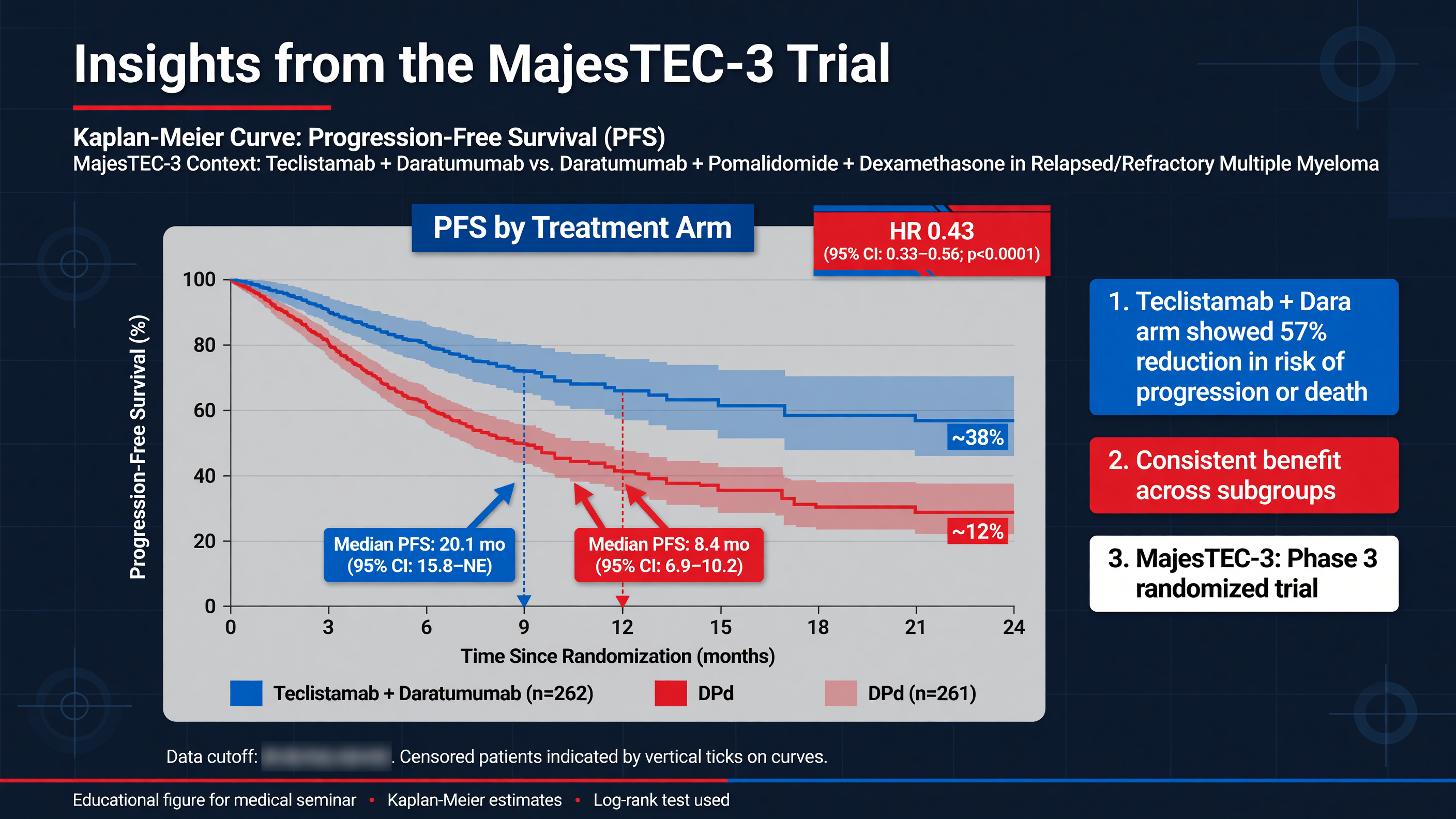 MajesTEC-3 was the first positive phase 3 randomized trial to move a myeloma bispecific into early relapse. It enrolled 587 adults after one to three prior lines and assigned them 1:1 to teclistamab plus subcutaneous daratumumab (Tec-Dara; n=291) or investigator’s choice of daratumumab-pomalidomide-dexamethasone (DPd) or daratumumab-bortezomib-dexamethasone (DVd; n=296). Prior lenalidomide and a proteasome inhibitor were required; patients entering after one line had to be lenalidomide-refractory. Importantly, prior BCMA-directed therapy and anti-CD38-refractory disease were excluded, and only about 5% had prior anti-CD38 exposure. Median follow-up at the primary analysis was 34.5 months (Costa et al., *N Engl J Med*, 2026, PMID: 41363801; contemporary synthesis PMID: 42021304).
Treatment was designed to reduce exposure over time. Daratumumab/hyaluronidase 1,800 mg/30,000 units was given subcutaneously on day 0. Teclistamab step-up doses were 0.06 mg/kg on day 1 and 0.3 mg/kg on day 3, followed by 1.5 mg/kg on day 7 and weekly through week 8. Teclistamab then changed to 3 mg/kg every two weeks through week 24 and every four weeks from week 25; daratumumab likewise moved from weekly to every two weeks and then every four weeks. Current U.S. labeling incorporates this regimen, premedication, and defined observation after step-up dosing.
**Teaching Point:** The efficacy signal was not merely a higher response rate. Independent-review PFS was not reached with Tec-Dara versus 18.1 months with DPd/DVd; the hazard ratio was 0.17 (95% CI, 0.12–0.23; P<0.0001), and estimated 36-month PFS was 83.4% versus 29.7%. ORR was 89.0% versus 75.3%, complete response or better 81.8% versus 32.1%, and MRD negativity by next-generation sequencing at 10^-5 was 58.4% versus 17.1% in the prespecified NGS primary-analysis set (n=262 versus n=269). Median duration of response was not estimable versus 23.5 months. Estimated 36-month overall survival was 83.3% versus 65.0%; the FDA label reports an OS hazard ratio of 0.46.
**Nuance:** Read the OS result with its time course. The survival curves crossed near 10 months because of early infectious deaths, so proportional hazards are imperfect; the prespecified restricted-mean-survival-time difference of 2.15 months supports benefit without erasing that early hazard. PFS is striking, but the regimen does not abolish treatment-related mortality.
Toxicity was intensive in both arms: grade 3/4 adverse events occurred in 95.1% with Tec-Dara and 96.6% with control. CRS occurred in 60.1% with Tec-Dara, entirely grade 1 or 2 in this analysis; ICANS occurred in 1.1%, including one grade 4 event. Grade 3/4 infections were more frequent with Tec-Dara, 54.1% versus 43.4%, and fatal infections occurred in 4.6% versus 1.4%. Twelve of 13 fatal infections on Tec-Dara occurred in the first six months, before strengthened immunoglobulin guidance. New-onset grade 3/4 infections declined after month 6, temporally coinciding with reinforced immunoglobulin guidance and monthly dosing; this does not establish causation.
**MUST ACT:** A Tec-Dara order is incomplete unless it includes antiviral and PJP prophylaxis, quantitative IgG surveillance, replacement to maintain IgG above 400 mg/dL, vaccination planning, and a pathway for fever evaluation. The infection bundle is part of the antimyeloma regimen, not an optional add-on.
In March 2026, the FDA approved Tec-Dara for RRMM after at least one prior line containing a proteasome inhibitor and an immunomodulatory drug. That is practice-changing, but external validity matters. Most trial participants were daratumumab-naive, few had overt extramedullary disease, and no one had prior BCMA therapy or anti-CD38-refractory disease. The control was predominantly DPd. A patient progressing on daratumumab maintenance is therefore not the same patient represented by the headline PFS curve.
**Decision Point:** Tec-Dara is a high-efficacy early-relapse option for a lenalidomide-refractory, anti-CD38-naive patient who needs an available therapy and can adhere to prolonged infection prevention. Previously exposed but anti-CD38-sensitive disease is an extrapolation from the small exposed subgroup. Tec-Dara does not automatically displace CAR-T for an eligible patient seeking a treatment-free interval, nor does it prove efficacy in daratumumab-refractory or prior-BCMA disease.
**Audience Poll:** Does the 83.4% three-year PFS change your default at first relapse, or do continuous therapy, early infection risk, and preservation of BCMA for CAR-T keep CAR-T first for an eligible patient?
---
## CAR-T Therapy: Mechanism, Clinical Trials, and Outcomes
MajesTEC-3 was the first positive phase 3 randomized trial to move a myeloma bispecific into early relapse. It enrolled 587 adults after one to three prior lines and assigned them 1:1 to teclistamab plus subcutaneous daratumumab (Tec-Dara; n=291) or investigator’s choice of daratumumab-pomalidomide-dexamethasone (DPd) or daratumumab-bortezomib-dexamethasone (DVd; n=296). Prior lenalidomide and a proteasome inhibitor were required; patients entering after one line had to be lenalidomide-refractory. Importantly, prior BCMA-directed therapy and anti-CD38-refractory disease were excluded, and only about 5% had prior anti-CD38 exposure. Median follow-up at the primary analysis was 34.5 months (Costa et al., *N Engl J Med*, 2026, PMID: 41363801; contemporary synthesis PMID: 42021304).
Treatment was designed to reduce exposure over time. Daratumumab/hyaluronidase 1,800 mg/30,000 units was given subcutaneously on day 0. Teclistamab step-up doses were 0.06 mg/kg on day 1 and 0.3 mg/kg on day 3, followed by 1.5 mg/kg on day 7 and weekly through week 8. Teclistamab then changed to 3 mg/kg every two weeks through week 24 and every four weeks from week 25; daratumumab likewise moved from weekly to every two weeks and then every four weeks. Current U.S. labeling incorporates this regimen, premedication, and defined observation after step-up dosing.
**Teaching Point:** The efficacy signal was not merely a higher response rate. Independent-review PFS was not reached with Tec-Dara versus 18.1 months with DPd/DVd; the hazard ratio was 0.17 (95% CI, 0.12–0.23; P<0.0001), and estimated 36-month PFS was 83.4% versus 29.7%. ORR was 89.0% versus 75.3%, complete response or better 81.8% versus 32.1%, and MRD negativity by next-generation sequencing at 10^-5 was 58.4% versus 17.1% in the prespecified NGS primary-analysis set (n=262 versus n=269). Median duration of response was not estimable versus 23.5 months. Estimated 36-month overall survival was 83.3% versus 65.0%; the FDA label reports an OS hazard ratio of 0.46.
**Nuance:** Read the OS result with its time course. The survival curves crossed near 10 months because of early infectious deaths, so proportional hazards are imperfect; the prespecified restricted-mean-survival-time difference of 2.15 months supports benefit without erasing that early hazard. PFS is striking, but the regimen does not abolish treatment-related mortality.
Toxicity was intensive in both arms: grade 3/4 adverse events occurred in 95.1% with Tec-Dara and 96.6% with control. CRS occurred in 60.1% with Tec-Dara, entirely grade 1 or 2 in this analysis; ICANS occurred in 1.1%, including one grade 4 event. Grade 3/4 infections were more frequent with Tec-Dara, 54.1% versus 43.4%, and fatal infections occurred in 4.6% versus 1.4%. Twelve of 13 fatal infections on Tec-Dara occurred in the first six months, before strengthened immunoglobulin guidance. New-onset grade 3/4 infections declined after month 6, temporally coinciding with reinforced immunoglobulin guidance and monthly dosing; this does not establish causation.
**MUST ACT:** A Tec-Dara order is incomplete unless it includes antiviral and PJP prophylaxis, quantitative IgG surveillance, replacement to maintain IgG above 400 mg/dL, vaccination planning, and a pathway for fever evaluation. The infection bundle is part of the antimyeloma regimen, not an optional add-on.
In March 2026, the FDA approved Tec-Dara for RRMM after at least one prior line containing a proteasome inhibitor and an immunomodulatory drug. That is practice-changing, but external validity matters. Most trial participants were daratumumab-naive, few had overt extramedullary disease, and no one had prior BCMA therapy or anti-CD38-refractory disease. The control was predominantly DPd. A patient progressing on daratumumab maintenance is therefore not the same patient represented by the headline PFS curve.
**Decision Point:** Tec-Dara is a high-efficacy early-relapse option for a lenalidomide-refractory, anti-CD38-naive patient who needs an available therapy and can adhere to prolonged infection prevention. Previously exposed but anti-CD38-sensitive disease is an extrapolation from the small exposed subgroup. Tec-Dara does not automatically displace CAR-T for an eligible patient seeking a treatment-free interval, nor does it prove efficacy in daratumumab-refractory or prior-BCMA disease.
**Audience Poll:** Does the 83.4% three-year PFS change your default at first relapse, or do continuous therapy, early infection risk, and preservation of BCMA for CAR-T keep CAR-T first for an eligible patient?
---
## CAR-T Therapy: Mechanism, Clinical Trials, and Outcomes
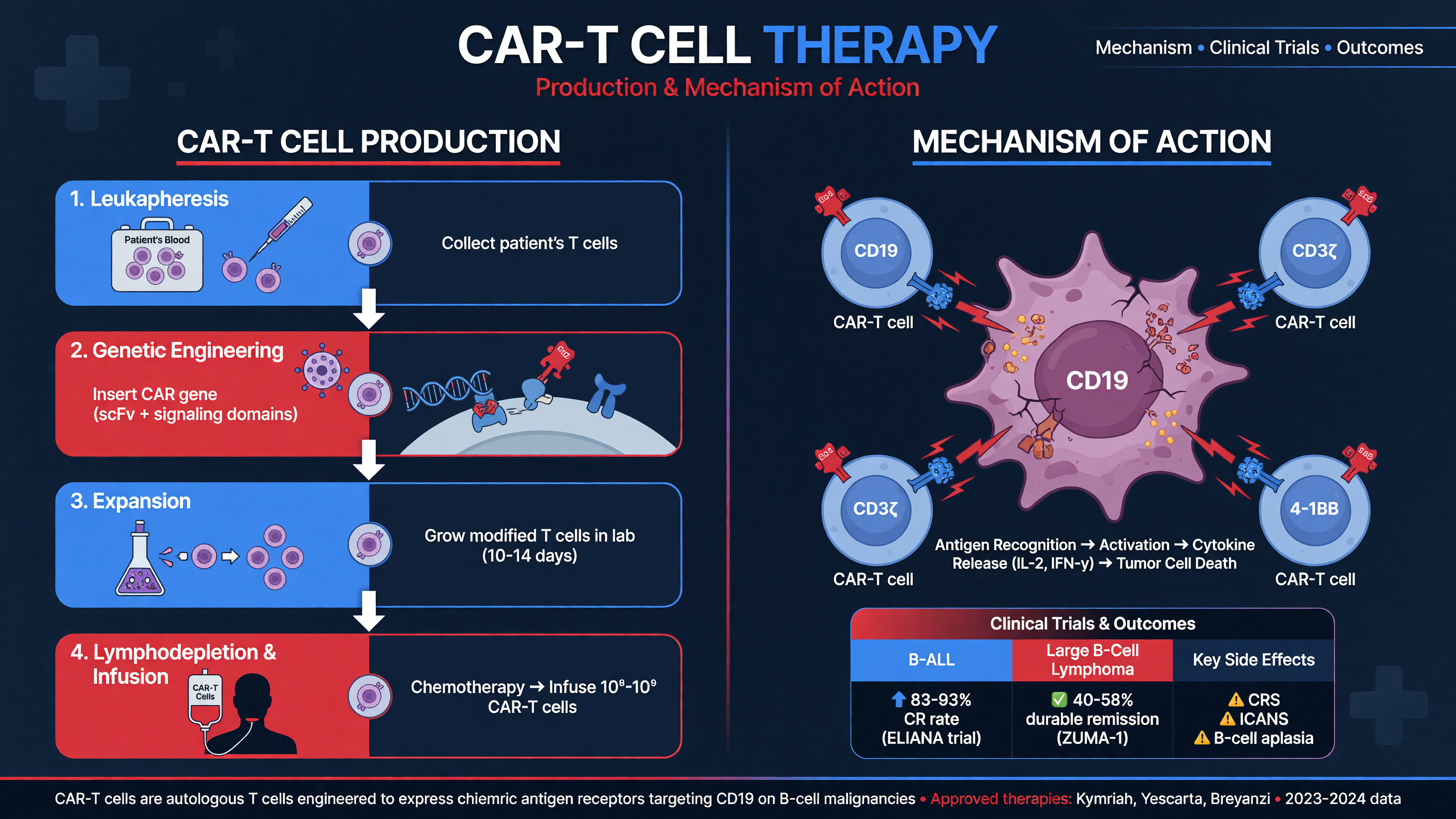 Autologous CAR-T therapy converts a patient’s T cells into a living drug. Peripheral blood mononuclear cells are collected by leukapheresis; T cells are activated, genetically modified to express a BCMA-binding chimeric receptor, expanded, tested, and cryopreserved. After disease control during manufacturing, the patient receives lymphodepletion—commonly fludarabine 30 mg/m² plus cyclophosphamide 300 mg/m² daily for three days, adjusted to product, kidney function, and institutional protocol—followed by one CAR-T infusion. Antigen binding activates intracellular CD3-zeta and costimulatory signaling, producing cytotoxicity, proliferation, and variable persistence. Idecabtagene vicleucel (ide-cel) uses a single BCMA-binding domain; ciltacabtagene autoleucel (cilta-cel) uses two BCMA-binding single-domain antibodies.
**Framework:** CAR-T is a process, not an infusion date: referral → eligibility and organ assessment → leukapheresis → bridging therapy → washout → lymphodepletion → infusion → acute monitoring → prolonged cytopenia, infection, neurologic, and malignancy surveillance. Failure at any transition can prevent treatment. Manufacturing commonly takes several weeks, so disease tempo and the quality of bridging therapy are part of selection.
Pivotal studies established both depth and limits. In KarMMa, ide-cel produced a 73% ORR, 33% complete response or better, and median PFS of 8.8 months in heavily pretreated RRMM (PMID: 33626253). In updated KarMMa-3 analysis after two to four prior regimens, median PFS was 13.8 months with ide-cel versus 4.4 months with standard regimens (HR 0.49), ORR 71% versus 42%, and complete response or better 44% versus 5% (PMID: 39197072; original analysis PMID: 36762851). The current U.S. label uses 300–510 million CAR-positive viable T cells after at least two prior lines including an IMiD, proteasome inhibitor, and anti-CD38 antibody.
CARTITUDE-1 showed a 97% ORR and deep responses with cilta-cel in heavily pretreated patients (PMID: 34175021). CARTITUDE-4 moved cilta-cel to lenalidomide-refractory disease after one to three prior lines. Versus DPd or pomalidomide-bortezomib-dexamethasone, cilta-cel reduced progression or death by 74% at primary analysis (HR 0.26); 12-month PFS was 75.9% versus 48.6%, ORR 84.6% versus 67.3%, and complete response or better 73.1% versus 21.8% (PMID: 37272512). Updated analysis showed an OS advantage (HR 0.55; PMID: 41519141). The U.S. label specifies 0.5–1.0×10^6 CAR-positive viable T cells/kg, maximum 1×10^8 cells, after at least one PI- and IMiD-containing line when disease is lenalidomide-refractory. These data support referral before frailty, marrow failure, or explosive disease removes the option.
**Teaching Point:** A “one-time” infusion is not one-time care. CAR-T can provide months or years without scheduled antimyeloma therapy, a major quality-of-life advantage, but lymphodepletion, hospitalization or close outpatient monitoring, transfusion support, immunoglobulin replacement, antimicrobial prophylaxis, and revaccination extend well beyond infusion.
CRS is common, usually beginning in the first week; ICANS may follow. Prolonged or biphasic cytopenias, bacterial and viral infection, hypogammaglobulinemia, HLH/MAS, and secondary malignancies require long-term follow-up. Cilta-cel has distinctive delayed neurologic risks, including cranial neuropathies, peripheral neuropathy, and movement/neurocognitive syndromes; immune-effector-cell–associated enterocolitis was added to boxed-warning information in 2025. New personality change, micrographia, bradykinesia, facial weakness, progressive diarrhea, or weight loss weeks after infusion is not “routine recovery.”
**Nuance:** Trial-eligible patients had better organ function and disease control than many referrals. High tumor burden, extramedullary disease, high-risk cytogenetics, poor performance status, elevated inflammatory markers, and prior BCMA therapy are associated with inferior real-world outcomes. Chronologic age alone should not exclude CAR-T, but cognition, cardiac and pulmonary reserve, renal dosing feasibility, active infection, caregiver support, travel, and the probability of surviving manufacturing must be considered.
**MUST ACT:** Refer when CAR-T first becomes a plausible next line—not after every conventional option fails. Early referral permits insurance authorization, caregiver planning, infection optimization, and leukapheresis before additional lymphotoxic therapy compromises T-cell fitness.
**Audience Poll:** Which barrier most often prevents an intended CAR-T treatment at your center: delayed referral, manufacturing time, uncontrolled disease, infection, organ function, caregiver/logistical constraints, or slot availability?
---
## Strategic Sequencing of Bispecifics and CAR-T
Autologous CAR-T therapy converts a patient’s T cells into a living drug. Peripheral blood mononuclear cells are collected by leukapheresis; T cells are activated, genetically modified to express a BCMA-binding chimeric receptor, expanded, tested, and cryopreserved. After disease control during manufacturing, the patient receives lymphodepletion—commonly fludarabine 30 mg/m² plus cyclophosphamide 300 mg/m² daily for three days, adjusted to product, kidney function, and institutional protocol—followed by one CAR-T infusion. Antigen binding activates intracellular CD3-zeta and costimulatory signaling, producing cytotoxicity, proliferation, and variable persistence. Idecabtagene vicleucel (ide-cel) uses a single BCMA-binding domain; ciltacabtagene autoleucel (cilta-cel) uses two BCMA-binding single-domain antibodies.
**Framework:** CAR-T is a process, not an infusion date: referral → eligibility and organ assessment → leukapheresis → bridging therapy → washout → lymphodepletion → infusion → acute monitoring → prolonged cytopenia, infection, neurologic, and malignancy surveillance. Failure at any transition can prevent treatment. Manufacturing commonly takes several weeks, so disease tempo and the quality of bridging therapy are part of selection.
Pivotal studies established both depth and limits. In KarMMa, ide-cel produced a 73% ORR, 33% complete response or better, and median PFS of 8.8 months in heavily pretreated RRMM (PMID: 33626253). In updated KarMMa-3 analysis after two to four prior regimens, median PFS was 13.8 months with ide-cel versus 4.4 months with standard regimens (HR 0.49), ORR 71% versus 42%, and complete response or better 44% versus 5% (PMID: 39197072; original analysis PMID: 36762851). The current U.S. label uses 300–510 million CAR-positive viable T cells after at least two prior lines including an IMiD, proteasome inhibitor, and anti-CD38 antibody.
CARTITUDE-1 showed a 97% ORR and deep responses with cilta-cel in heavily pretreated patients (PMID: 34175021). CARTITUDE-4 moved cilta-cel to lenalidomide-refractory disease after one to three prior lines. Versus DPd or pomalidomide-bortezomib-dexamethasone, cilta-cel reduced progression or death by 74% at primary analysis (HR 0.26); 12-month PFS was 75.9% versus 48.6%, ORR 84.6% versus 67.3%, and complete response or better 73.1% versus 21.8% (PMID: 37272512). Updated analysis showed an OS advantage (HR 0.55; PMID: 41519141). The U.S. label specifies 0.5–1.0×10^6 CAR-positive viable T cells/kg, maximum 1×10^8 cells, after at least one PI- and IMiD-containing line when disease is lenalidomide-refractory. These data support referral before frailty, marrow failure, or explosive disease removes the option.
**Teaching Point:** A “one-time” infusion is not one-time care. CAR-T can provide months or years without scheduled antimyeloma therapy, a major quality-of-life advantage, but lymphodepletion, hospitalization or close outpatient monitoring, transfusion support, immunoglobulin replacement, antimicrobial prophylaxis, and revaccination extend well beyond infusion.
CRS is common, usually beginning in the first week; ICANS may follow. Prolonged or biphasic cytopenias, bacterial and viral infection, hypogammaglobulinemia, HLH/MAS, and secondary malignancies require long-term follow-up. Cilta-cel has distinctive delayed neurologic risks, including cranial neuropathies, peripheral neuropathy, and movement/neurocognitive syndromes; immune-effector-cell–associated enterocolitis was added to boxed-warning information in 2025. New personality change, micrographia, bradykinesia, facial weakness, progressive diarrhea, or weight loss weeks after infusion is not “routine recovery.”
**Nuance:** Trial-eligible patients had better organ function and disease control than many referrals. High tumor burden, extramedullary disease, high-risk cytogenetics, poor performance status, elevated inflammatory markers, and prior BCMA therapy are associated with inferior real-world outcomes. Chronologic age alone should not exclude CAR-T, but cognition, cardiac and pulmonary reserve, renal dosing feasibility, active infection, caregiver support, travel, and the probability of surviving manufacturing must be considered.
**MUST ACT:** Refer when CAR-T first becomes a plausible next line—not after every conventional option fails. Early referral permits insurance authorization, caregiver planning, infection optimization, and leukapheresis before additional lymphotoxic therapy compromises T-cell fitness.
**Audience Poll:** Which barrier most often prevents an intended CAR-T treatment at your center: delayed referral, manufacturing time, uncontrolled disease, infection, organ function, caregiver/logistical constraints, or slot availability?
---
## Strategic Sequencing of Bispecifics and CAR-T
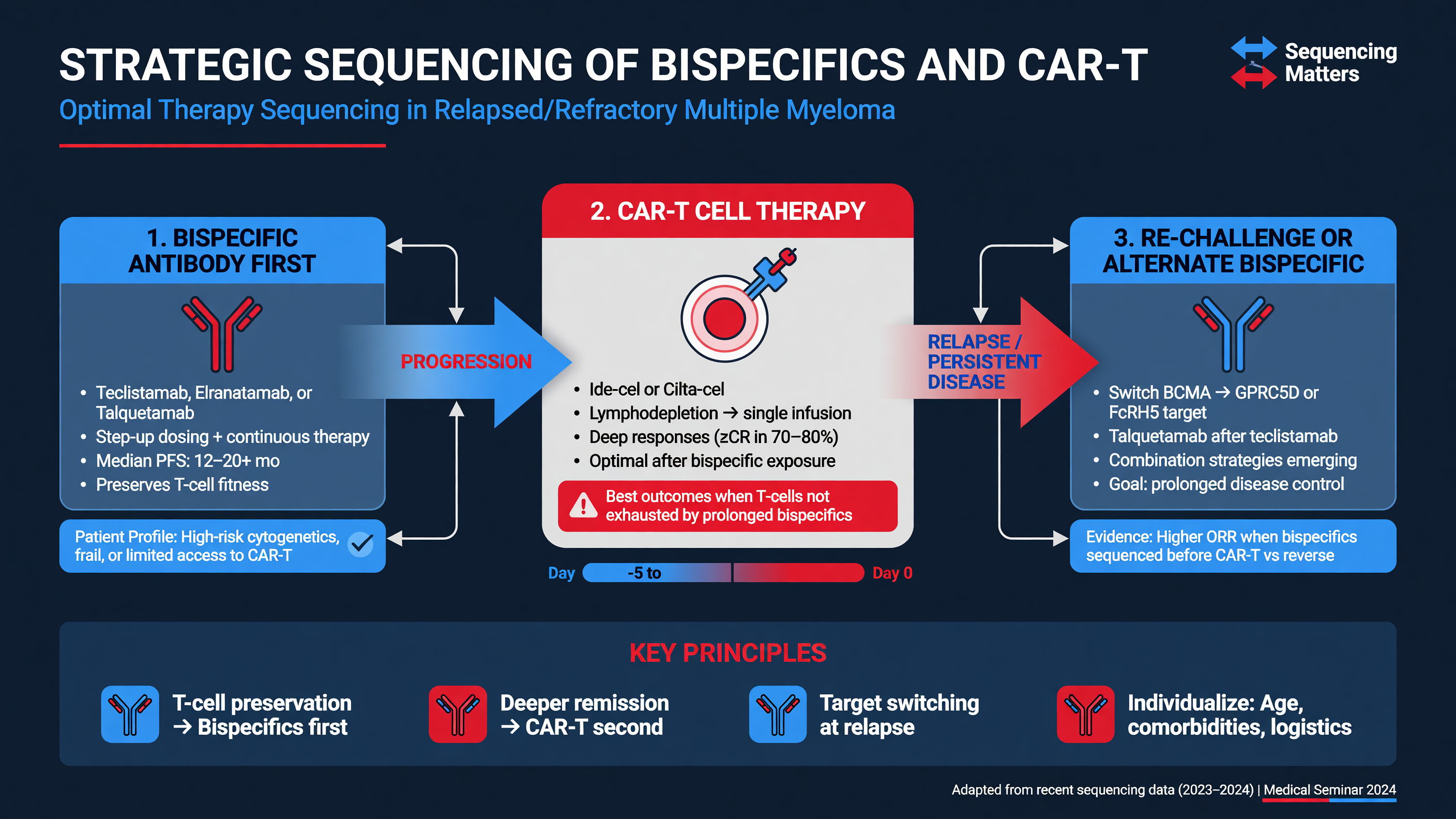 There is no universal CAR-T-versus-bispecific sequence. The aim is to maximize current disease control without damaging the next therapy’s antigen, effector cells, or delivery window. CAR-T supplies engineered cells after lymphodepletion; a bispecific repeatedly recruits endogenous T cells. Continuous BCMA×CD3 exposure may select BCMA-low clones and exhausted T-cell states, while cytopenia and infection can make later leukapheresis or lymphodepletion less safe. Sequencing reviews therefore favor preserving CAR-T earlier when a suitable patient can reach it (Costa, *Leukemia*, 2025, PMID: 39870767).
**Framework:** Start with three clocks. The **disease clock** asks whether the patient can wait through referral and manufacturing. The **T-cell clock** asks whether age, cumulative alkylator exposure, steroids, active inflammation, or prior T-cell redirection is eroding collection quality. The **antigen clock** asks whether BCMA has already been exposed to sustained selective pressure. When all three allow it, leukapheresis before a BCMA bispecific preserves optionality.
For a fit, CAR-T-eligible patient with controllable relapse and access, CAR-T first is often the preferred default because randomized data support durable disease control and a treatment-free interval, and later bispecific therapy remains feasible. After BCMA CAR-T relapse, a GPRC5D agent such as talquetamab avoids immediate reuse of BCMA; a BCMA bispecific can still work if BCMA expression and T-cell reserve persist, but response is generally less predictable than in BCMA-naive cohorts. Clinical-trial enrollment should be prioritized when true antigen loss, aggressive extramedullary relapse, or multiple prior T-cell–redirecting therapies are present.
**Decision Point:** Use a bispecific first when the disease cannot safely wait, manufacturing or travel is inaccessible, the patient is ineligible for lymphodepletion, or continuous outpatient therapy better matches informed preference. Tec-Dara now provides phase 3 evidence at early relapse, but its MajesTEC-3 population did not include anti-CD38-refractory or prior-BCMA disease. In a patient already refractory to daratumumab, do not project the trial’s 83.4% three-year PFS onto the case.
Bridging must be planned before apheresis whenever possible. The goal is control, not necessarily maximal response. Select a regimen to which the disease remains sensitive and that will not impair collection: localized radiation for a threatening plasmacytoma; a proteasome inhibitor, IMiD, anti-CD38 antibody, selinexor, or carefully dosed cytotoxic therapy according to prior exposure and organ function. Avoid bendamustine and other profoundly lymphotoxic therapy near collection when alternatives exist. High-dose alkylator bridging may be necessary for fulminant disease, but it can worsen marrow reserve and infection risk. Allow the cellular-therapy center to set washout intervals.
**Nuance:** A non-BCMA bispecific can be a rational bridge, not an automatic one. A 20-center retrospective series of talquetamab bridging reported a 71% response rate; 119 of 134 patients proceeded to CAR-T, and post-CAR-T ORR was 88% (PMID: 40749169). This supports feasibility while preserving BCMA, but selection bias and retrospective design prevent declaring it the standard bridge. CRS timing, infections, oral toxicity, and adequate washout still matter.
At relapse after a bispecific, identify the failure mechanism. Progression after a long treatment-free interval with preserved target may permit antigen reuse; progression *on* continuous BCMA therapy raises concern for BCMA resistance and T-cell dysfunction. If CAR-T is intended, stop the bispecific with enough time for immune recovery according to center protocol and consider fresh marrow or tissue testing in atypical or extramedullary progression. Conversely, after CAR-T, a bispecific can recruit endogenous T cells when CAR persistence is lost.
**Teaching Point:** Sequence the patient, not the product list. A 78-year-old with indolent biochemical relapse, recurrent pneumonia, and no caregiver has a different optimal sequence from a 58-year-old with high-risk cytogenetics, preserved counts, and a controlled first relapse—even when both are technically label-eligible.
**MUST ACT:** If CAR-T is a realistic future option, contact the cellular-therapy center before starting a BCMA bispecific. A brief multidisciplinary call can preserve leukapheresis, define bridging, and avoid an unplanned same-antigen sequence.
**Audience Poll:** Would you collect T cells now and bridge, start Tec-Dara immediately, or use a non-BCMA bridge for a patient with a six-week estimated manufacturing interval and a doubling light chain every three weeks?
---
## Adverse Event Management and Patient Monitoring
There is no universal CAR-T-versus-bispecific sequence. The aim is to maximize current disease control without damaging the next therapy’s antigen, effector cells, or delivery window. CAR-T supplies engineered cells after lymphodepletion; a bispecific repeatedly recruits endogenous T cells. Continuous BCMA×CD3 exposure may select BCMA-low clones and exhausted T-cell states, while cytopenia and infection can make later leukapheresis or lymphodepletion less safe. Sequencing reviews therefore favor preserving CAR-T earlier when a suitable patient can reach it (Costa, *Leukemia*, 2025, PMID: 39870767).
**Framework:** Start with three clocks. The **disease clock** asks whether the patient can wait through referral and manufacturing. The **T-cell clock** asks whether age, cumulative alkylator exposure, steroids, active inflammation, or prior T-cell redirection is eroding collection quality. The **antigen clock** asks whether BCMA has already been exposed to sustained selective pressure. When all three allow it, leukapheresis before a BCMA bispecific preserves optionality.
For a fit, CAR-T-eligible patient with controllable relapse and access, CAR-T first is often the preferred default because randomized data support durable disease control and a treatment-free interval, and later bispecific therapy remains feasible. After BCMA CAR-T relapse, a GPRC5D agent such as talquetamab avoids immediate reuse of BCMA; a BCMA bispecific can still work if BCMA expression and T-cell reserve persist, but response is generally less predictable than in BCMA-naive cohorts. Clinical-trial enrollment should be prioritized when true antigen loss, aggressive extramedullary relapse, or multiple prior T-cell–redirecting therapies are present.
**Decision Point:** Use a bispecific first when the disease cannot safely wait, manufacturing or travel is inaccessible, the patient is ineligible for lymphodepletion, or continuous outpatient therapy better matches informed preference. Tec-Dara now provides phase 3 evidence at early relapse, but its MajesTEC-3 population did not include anti-CD38-refractory or prior-BCMA disease. In a patient already refractory to daratumumab, do not project the trial’s 83.4% three-year PFS onto the case.
Bridging must be planned before apheresis whenever possible. The goal is control, not necessarily maximal response. Select a regimen to which the disease remains sensitive and that will not impair collection: localized radiation for a threatening plasmacytoma; a proteasome inhibitor, IMiD, anti-CD38 antibody, selinexor, or carefully dosed cytotoxic therapy according to prior exposure and organ function. Avoid bendamustine and other profoundly lymphotoxic therapy near collection when alternatives exist. High-dose alkylator bridging may be necessary for fulminant disease, but it can worsen marrow reserve and infection risk. Allow the cellular-therapy center to set washout intervals.
**Nuance:** A non-BCMA bispecific can be a rational bridge, not an automatic one. A 20-center retrospective series of talquetamab bridging reported a 71% response rate; 119 of 134 patients proceeded to CAR-T, and post-CAR-T ORR was 88% (PMID: 40749169). This supports feasibility while preserving BCMA, but selection bias and retrospective design prevent declaring it the standard bridge. CRS timing, infections, oral toxicity, and adequate washout still matter.
At relapse after a bispecific, identify the failure mechanism. Progression after a long treatment-free interval with preserved target may permit antigen reuse; progression *on* continuous BCMA therapy raises concern for BCMA resistance and T-cell dysfunction. If CAR-T is intended, stop the bispecific with enough time for immune recovery according to center protocol and consider fresh marrow or tissue testing in atypical or extramedullary progression. Conversely, after CAR-T, a bispecific can recruit endogenous T cells when CAR persistence is lost.
**Teaching Point:** Sequence the patient, not the product list. A 78-year-old with indolent biochemical relapse, recurrent pneumonia, and no caregiver has a different optimal sequence from a 58-year-old with high-risk cytogenetics, preserved counts, and a controlled first relapse—even when both are technically label-eligible.
**MUST ACT:** If CAR-T is a realistic future option, contact the cellular-therapy center before starting a BCMA bispecific. A brief multidisciplinary call can preserve leukapheresis, define bridging, and avoid an unplanned same-antigen sequence.
**Audience Poll:** Would you collect T cells now and bridge, start Tec-Dara immediately, or use a non-BCMA bridge for a patient with a six-week estimated manufacturing interval and a doubling light chain every three weeks?
---
## Adverse Event Management and Patient Monitoring
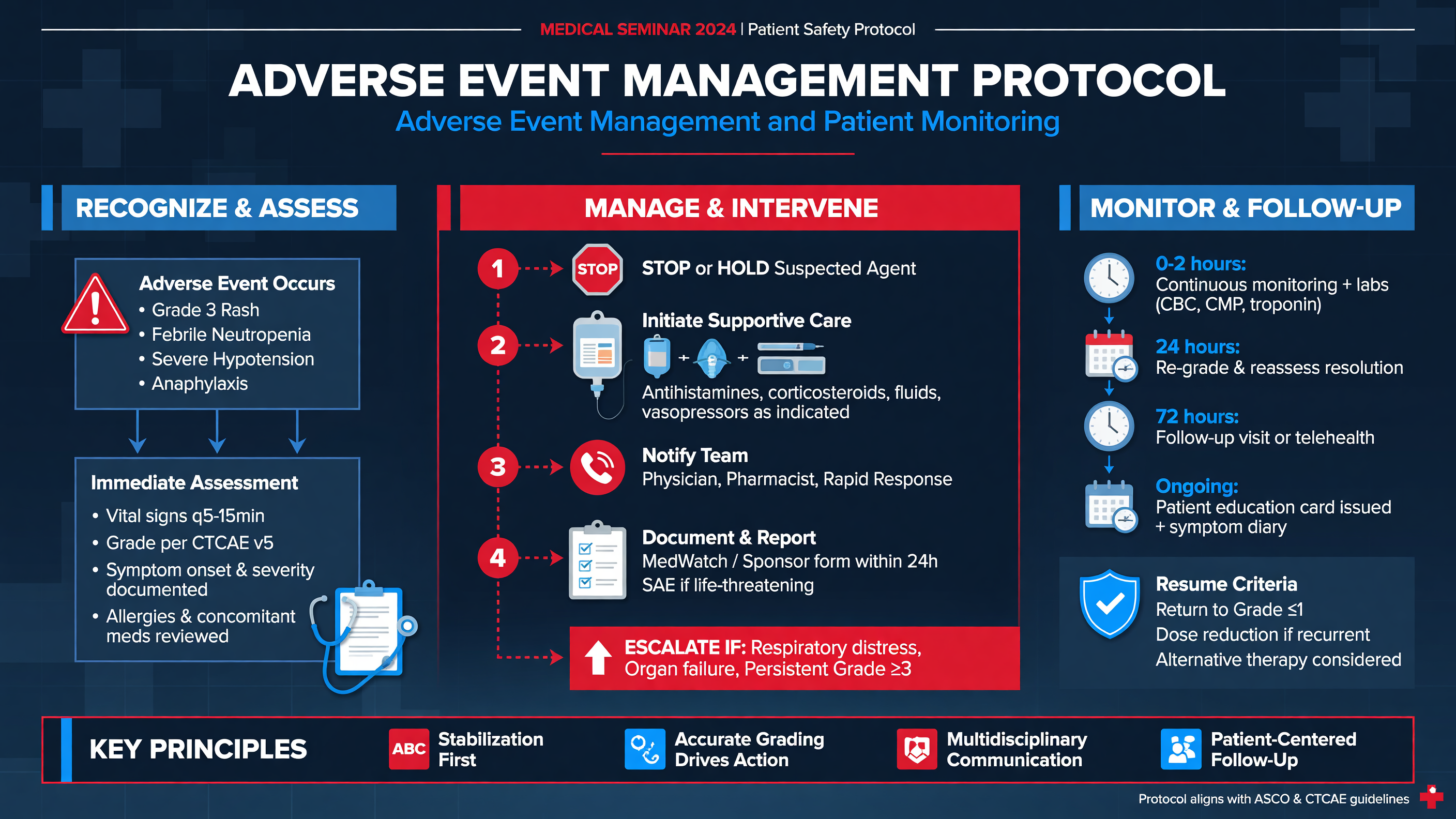 Teclistamab management consensus emphasizes that safety begins before treatment (Rodríguez-Otero, *Clin Lymphoma Myeloma Leuk*, 2026, PMID: 41577552); the principle applies across T-cell redirection. Record performance status, ICE score or another neurologic baseline, handwriting, oxygen requirement, cardiac symptoms, weight, oral intake, and caregiver understanding. Obtain CBC with differential, metabolic panel, magnesium, phosphate, uric acid, LDH, quantitative immunoglobulins, and disease burden. Screen for HBV, HCV, HIV, and risk-specific CMV; assess respiratory symptoms and resolve uncontrolled infection. High-burden disease warrants tumor-lysis prophylaxis and close electrolyte monitoring. For CAR-T, assess cardiac, pulmonary, renal, and marrow reserve and secure blood-product support.
**MUST ACT:** Fever after a step-up dose or CAR-T is CRS *and* infection until evaluated. Obtain cultures and targeted imaging, measure lactate when clinically indicated, and start empiric antimicrobials promptly in neutropenia or instability. Do not delay sepsis care while waiting to decide whether the fever “counts” as CRS.
Grade CRS using ASTCT criteria. Grade 1 is fever at least 38°C without hypotension or hypoxia; grade 2 includes hypotension not requiring vasopressors and/or low-flow oxygen; grade 3 requires one vasopressor and/or high-flow oxygen; grade 4 requires multiple vasopressors or positive-pressure ventilation. Provide antipyretics and judicious fluids; avoid blind boluses when pulmonary edema is a risk. Tocilizumab 8 mg/kg IV (maximum 800 mg) is standard for grade 2 CRS and is used for persistent grade 1 only in defined product or institutional pathways. It may be repeated at least eight hours apart, up to three doses in 24 hours and four total, subject to protocol. Add dexamethasone for refractory or higher-grade CRS and escalate early for vasopressors or increasing oxygen. Labels specify holding, restart, or permanent discontinuation; infused CAR-T cannot be withdrawn.
**Nuance:** Tocilizumab treats systemic IL-6-mediated CRS but does not reliably treat isolated ICANS. Assess ICE components—orientation, naming, commands, writing, and attention—at baseline and serially. New aphasia, inattention, tremor, somnolence, seizure, or focal deficit requires glucose and metabolic testing, medication review, brain imaging, EEG, and infectious evaluation as appropriate. Use corticosteroids for clinically significant ICANS according to grade and local protocol; a common approach uses dexamethasone 10 mg IV every 6–12 hours for grade 2–3 toxicity and high-dose methylprednisolone for grade 4. Manage seizure urgently, and consider levetiracetam in high-risk or symptomatic patients. If CRS and ICANS coexist, treat both. Severe cases require ICU and neurology involvement.
Infection prevention must be longitudinal. Give acyclovir or valacyclovir for HSV/VZV and trimethoprim-sulfamethoxazole or an accepted alternative for PJP. Update influenza, COVID-19, and pneumococcal vaccination before therapy when feasible; avoid live vaccines during significant immunosuppression. Monitor IgG monthly early and replace immunoglobulin when below 400 mg/dL or sooner with recurrent or serious infections, aiming for a trough above 400 mg/dL. Consider antibacterial and mold-active antifungal prophylaxis during prolonged severe neutropenia or intensive corticosteroid exposure, guided by local epidemiology. CMV PCR surveillance is risk- and syndrome-based rather than a substitute for evaluation. Hold bispecific dosing during serious active infection.
**Framework:** For cytopenias, ask whether the driver is lymphodepletion or drug effect, marrow myeloma, infection, nutritional deficiency, immune destruction, HLH/MAS, or therapy-related MDS/AML. Trend counts; provide transfusions; use G-CSF after the acute CRS window when indicated; and perform marrow evaluation for prolonged, severe, or unexplained cytopenia. A rapidly rising ferritin with persistent fever, hepatic dysfunction, coagulopathy, hypofibrinogenemia, and worsening cytopenias should trigger urgent evaluation for immune-effector-cell–associated HLH-like syndrome and specialist-directed corticosteroid/anakinra-based management.
CAR-T surveillance extends beyond day 30. Continue antiviral and PJP prophylaxis until immune recovery per center policy, replace IgG, revaccinate on the cellular-therapy schedule, and monitor for secondary malignancy indefinitely. Cilta-cel recipients and caregivers need explicit teaching about delayed facial weakness, neuropathy, gait or handwriting change, bradykinesia, cognitive or personality change, and persistent diarrhea. Evaluate suspected immune-effector-cell–associated enterocolitis promptly after excluding infection; early specialty involvement and immunosuppression may be required.
For talquetamab, measure weight and oral intake at every visit. Ask about taste, dry mouth, painful swallowing, skin, and nails. Early dietitian and dental/oral-medicine input, supplements, saliva substitutes, topical therapy, dose interruption, and label-, protocol-, or specialist-directed spacing can prevent sarcopenia and treatment discontinuation. For all outpatient programs, give patients a thermometer, wallet card, 24-hour contact pathway, travel-radius instructions, and prohibition on driving during the product-specified neurotoxicity window.
**Decision Point:** Prophylactic tocilizumab can reduce early CRS in selected institutional protocols, but it is not a universal substitute for labeled step-up dosing and observation. Use it only within a defined pathway that preserves infection assessment and neurologic monitoring.
**Teaching Point:** The safest program treats supportive care as protocol therapy: prophylaxis, IgG replacement, caregiver education, rapid fever triage, and label- or protocol-directed dose spacing are mechanisms by which trial efficacy becomes survivable in practice.
**Audience Poll:** Which component is least reliable in your current pathway: baseline screening, after-hours fever triage, real-time ICE scoring, IVIG access, or late CAR-T follow-up?
---
## Future Directions and Ongoing Research
Teclistamab management consensus emphasizes that safety begins before treatment (Rodríguez-Otero, *Clin Lymphoma Myeloma Leuk*, 2026, PMID: 41577552); the principle applies across T-cell redirection. Record performance status, ICE score or another neurologic baseline, handwriting, oxygen requirement, cardiac symptoms, weight, oral intake, and caregiver understanding. Obtain CBC with differential, metabolic panel, magnesium, phosphate, uric acid, LDH, quantitative immunoglobulins, and disease burden. Screen for HBV, HCV, HIV, and risk-specific CMV; assess respiratory symptoms and resolve uncontrolled infection. High-burden disease warrants tumor-lysis prophylaxis and close electrolyte monitoring. For CAR-T, assess cardiac, pulmonary, renal, and marrow reserve and secure blood-product support.
**MUST ACT:** Fever after a step-up dose or CAR-T is CRS *and* infection until evaluated. Obtain cultures and targeted imaging, measure lactate when clinically indicated, and start empiric antimicrobials promptly in neutropenia or instability. Do not delay sepsis care while waiting to decide whether the fever “counts” as CRS.
Grade CRS using ASTCT criteria. Grade 1 is fever at least 38°C without hypotension or hypoxia; grade 2 includes hypotension not requiring vasopressors and/or low-flow oxygen; grade 3 requires one vasopressor and/or high-flow oxygen; grade 4 requires multiple vasopressors or positive-pressure ventilation. Provide antipyretics and judicious fluids; avoid blind boluses when pulmonary edema is a risk. Tocilizumab 8 mg/kg IV (maximum 800 mg) is standard for grade 2 CRS and is used for persistent grade 1 only in defined product or institutional pathways. It may be repeated at least eight hours apart, up to three doses in 24 hours and four total, subject to protocol. Add dexamethasone for refractory or higher-grade CRS and escalate early for vasopressors or increasing oxygen. Labels specify holding, restart, or permanent discontinuation; infused CAR-T cannot be withdrawn.
**Nuance:** Tocilizumab treats systemic IL-6-mediated CRS but does not reliably treat isolated ICANS. Assess ICE components—orientation, naming, commands, writing, and attention—at baseline and serially. New aphasia, inattention, tremor, somnolence, seizure, or focal deficit requires glucose and metabolic testing, medication review, brain imaging, EEG, and infectious evaluation as appropriate. Use corticosteroids for clinically significant ICANS according to grade and local protocol; a common approach uses dexamethasone 10 mg IV every 6–12 hours for grade 2–3 toxicity and high-dose methylprednisolone for grade 4. Manage seizure urgently, and consider levetiracetam in high-risk or symptomatic patients. If CRS and ICANS coexist, treat both. Severe cases require ICU and neurology involvement.
Infection prevention must be longitudinal. Give acyclovir or valacyclovir for HSV/VZV and trimethoprim-sulfamethoxazole or an accepted alternative for PJP. Update influenza, COVID-19, and pneumococcal vaccination before therapy when feasible; avoid live vaccines during significant immunosuppression. Monitor IgG monthly early and replace immunoglobulin when below 400 mg/dL or sooner with recurrent or serious infections, aiming for a trough above 400 mg/dL. Consider antibacterial and mold-active antifungal prophylaxis during prolonged severe neutropenia or intensive corticosteroid exposure, guided by local epidemiology. CMV PCR surveillance is risk- and syndrome-based rather than a substitute for evaluation. Hold bispecific dosing during serious active infection.
**Framework:** For cytopenias, ask whether the driver is lymphodepletion or drug effect, marrow myeloma, infection, nutritional deficiency, immune destruction, HLH/MAS, or therapy-related MDS/AML. Trend counts; provide transfusions; use G-CSF after the acute CRS window when indicated; and perform marrow evaluation for prolonged, severe, or unexplained cytopenia. A rapidly rising ferritin with persistent fever, hepatic dysfunction, coagulopathy, hypofibrinogenemia, and worsening cytopenias should trigger urgent evaluation for immune-effector-cell–associated HLH-like syndrome and specialist-directed corticosteroid/anakinra-based management.
CAR-T surveillance extends beyond day 30. Continue antiviral and PJP prophylaxis until immune recovery per center policy, replace IgG, revaccinate on the cellular-therapy schedule, and monitor for secondary malignancy indefinitely. Cilta-cel recipients and caregivers need explicit teaching about delayed facial weakness, neuropathy, gait or handwriting change, bradykinesia, cognitive or personality change, and persistent diarrhea. Evaluate suspected immune-effector-cell–associated enterocolitis promptly after excluding infection; early specialty involvement and immunosuppression may be required.
For talquetamab, measure weight and oral intake at every visit. Ask about taste, dry mouth, painful swallowing, skin, and nails. Early dietitian and dental/oral-medicine input, supplements, saliva substitutes, topical therapy, dose interruption, and label-, protocol-, or specialist-directed spacing can prevent sarcopenia and treatment discontinuation. For all outpatient programs, give patients a thermometer, wallet card, 24-hour contact pathway, travel-radius instructions, and prohibition on driving during the product-specified neurotoxicity window.
**Decision Point:** Prophylactic tocilizumab can reduce early CRS in selected institutional protocols, but it is not a universal substitute for labeled step-up dosing and observation. Use it only within a defined pathway that preserves infection assessment and neurologic monitoring.
**Teaching Point:** The safest program treats supportive care as protocol therapy: prophylaxis, IgG replacement, caregiver education, rapid fever triage, and label- or protocol-directed dose spacing are mechanisms by which trial efficacy becomes survivable in practice.
**Audience Poll:** Which component is least reliable in your current pathway: baseline screening, after-hours fever triage, real-time ICE scoring, IVIG access, or late CAR-T follow-up?
---
## Future Directions and Ongoing Research
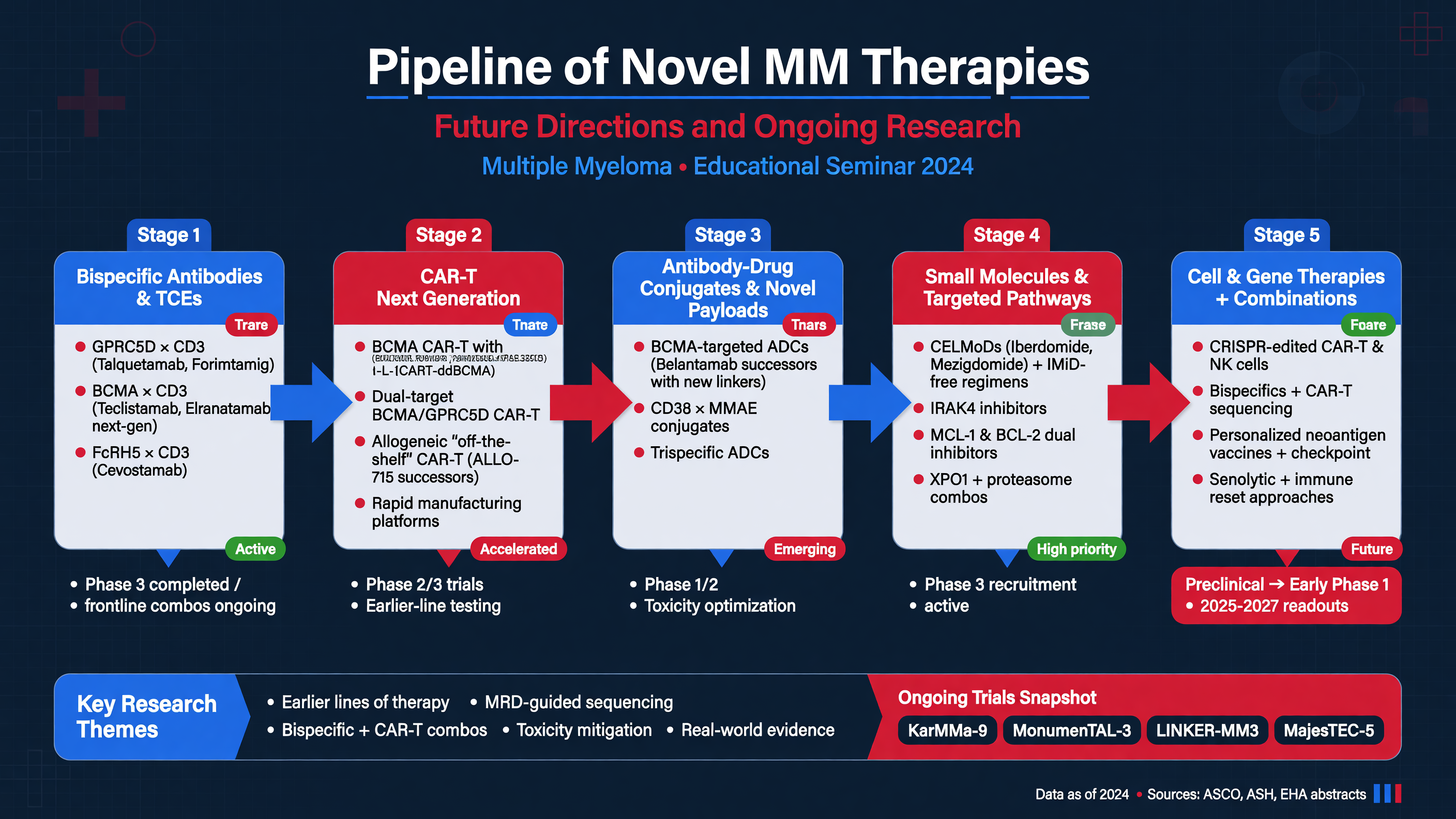 The next phase of myeloma immunotherapy is not simply “more BCMA.” Resistance can arise from low antigen density, rare biallelic loss or alteration of *TNFRSF17* (the BCMA gene), soluble BCMA, poor T-cell fitness, suppressive marrow cells, and spatially distinct extramedullary clones. GPRC5D provides a validated alternative; FcRH5-directed agents such as cevostamab and other plasma-cell antigens are under study. Dual-target and trispecific antibodies seek to prevent single-antigen escape or add costimulation, but broader immune activation may also increase CRS, cytopenia, and infection.
**Teaching Point:** Target diversification is already clinically relevant. Talquetamab can rescue some BCMA-exposed patients, and the teclistamab–talquetamab combination has shown encouraging activity in heavily pretreated and extramedullary disease. Combination response rates from early-phase studies are hypothesis-generating, not permission to ignore additive infection, oral toxicity, and continuous-treatment burden.
Cellular therapy is evolving toward higher-affinity constructs, dual targeting, faster manufacturing, and off-the-shelf products. Anitocabtagene autoleucel uses a compact D-domain BCMA binder and is being tested in randomized development; GPRC5D CAR-T products may serve patients after BCMA failure. Allogeneic CAR-T and CAR-NK platforms could shorten time to infusion and standardize manufacturing, but rejection, limited persistence, infection, and graft-versus-host or gene-editing risks must be resolved. A high early ORR should not be mistaken for mature durability or comparative superiority.
**Nuance:** Earlier use changes benefit and harm. MajesTEC-3 shows that a bispecific combination can outperform conventional triplets at early relapse; CARTITUDE-4 and KarMMa-3 support earlier CAR-T referral. The rationale for collecting before advanced marrow failure and T-cell exhaustion is biologically plausible, not directly proven by those trials. Frontline and post-transplant studies—including MajesTEC maintenance programs, MajesTEC-7, and CARTITUDE trials—may redraw treatment lines. Until results mature, established transplant, maintenance, and relapse regimens should not be displaced by enthusiasm alone.
Combination strategies address complementary biology. Anti-CD38 antibodies may debulk tumor and reduce immunosuppressive CD38-positive cells; IMiDs and next-generation cereblon E3 ligase modulators (CELMoDs) such as iberdomide and mezigdomide can enhance immune activation; gamma-secretase inhibition can increase surface BCMA. Each combination also stacks toxicity. A gamma-secretase inhibitor may intensify target engagement but add gastrointestinal effects; combining continuous immune therapies may deepen hypogammaglobulinemia; adding steroids can blunt immune function while controlling inflammation.
**Framework:** Future trials should answer four clinically meaningful questions: Can treatment stop after sustained MRD-negative complete response? Can dosing be reduced before serious infection occurs? Which biomarker identifies antigen escape or T-cell failure soon enough to change therapy? Does an impressive response improve overall survival, function, and time without treatment compared with the best current sequence?
MRD is central but not sufficient. Marrow MRD at 10^-5 or 10^-6 can miss patchy or extramedullary disease, so imaging and clinical phenotype must complement it. Serial soluble BCMA, antigen expression, circulating tumor DNA, immune repertoire, and functional T-cell assays are promising but not yet routine sequencing tests. Fixed-duration and MRD-adapted bispecific studies are particularly important because indefinite dosing may not be necessary for every deep responder.
**Decision Point:** Prefer a clinical trial when the patient has failed both BCMA and GPRC5D redirection, has documented antigen-negative relapse, needs a next-generation construct, or faces a combination whose benefit is supported only by early-phase data. Trial referral should occur before organ failure or uncontrolled infection makes participation impossible.
**MUST ACT:** At every progression after immune therapy, document the exact prior target, modality, best response, duration, reason for discontinuation, and relapse pattern. “Prior immunotherapy” is too vague to guide the next antigen-directed choice.
**Audience Poll:** Which advance would most change your practice: reliable off-the-shelf cellular therapy, dual-antigen targeting, fixed-duration bispecific treatment, MRD-guided cessation, or a validated biomarker of immune escape?
---
## Clinical Case: Choosing and Sequencing Therapy at First Relapse
A 65-year-old man with IgG-kappa myeloma initially presented four years ago with anemia and lytic vertebral disease. FISH showed gain 1q without del(17p). He received bortezomib-lenalidomide-dexamethasone, autologous transplant, and lenalidomide maintenance, achieving MRD-negative complete response. He now has a rapidly rising M-spike, involved free light chain of 480 mg/L, a painful 3-cm paraspinal plasmacytoma without cord compression, hemoglobin 10.2 g/dL, platelets 145×10^9/L, creatinine clearance 72 mL/min, normal calcium, ECOG 1, and no active infection. He is lenalidomide-refractory, anti-CD38-naive, and BCMA-naive. His adult daughter can serve as caregiver, and the CAR-T center estimates six weeks from collection to infusion.
**Audience Poll:** Choose the immediate strategy: (A) Tec-Dara now; (B) collect for cilta-cel with non-BCMA bridging; (C) teclistamab monotherapy; (D) talquetamab bridge; or (E) a conventional triplet. Options C and D are not label-eligible at first relapse.
First confirm urgency and stabilize the focal lesion. MRI excludes epidural extension; PET/CT defines whether it is isolated or part of disseminated progression. Pain control and focal radiation can produce rapid local control without consuming BCMA. Favorable counts, kidney function, performance status, caregiver support, and infection status make him an excellent CAR-T candidate. His light-chain trajectory is fast but not causing organ failure, so leukapheresis remains feasible before T-cell–engaging therapy.
**Decision Point:** A reasonable preference is early cellular-therapy referral, leukapheresis, then a response-adapted non-BCMA bridge selected jointly with the CAR-T center. Options could include localized radiation plus a carfilzomib- or anti-CD38-based regimen, depending on cardiac assessment, center washout rules, and the full prior-response history. Lymphotoxic alkylation before collection should be minimized. Disease markers are checked at least weekly during a rapidly evolving bridge; new renal injury, cytopenia, neurologic compromise, or accelerating plasmacytomas would trigger escalation.
Tec-Dara is an evidence-based alternative: he resembles MajesTEC-3’s lenalidomide-refractory, anti-CD38-naive, BCMA-naive population, and it offers immediate availability with exceptional phase 3 PFS. If he values avoiding leukapheresis and lymphodepletion, lacks timely CAR-T access, or progresses too quickly, Tec-Dara may be better. The tradeoff is continuous immune therapy, early infection risk, and BCMA exposure before future BCMA CAR-T. Shared decision-making should compare time without treatment, logistics, infection burden, neurologic risk, and uncertainty of same-antigen reuse—not ORR alone.
**Nuance:** Talquetamab bridging would be an off-label institutional or trial strategy at first relapse; this patient has effective conventional and radiation options and is not triple-class exposed. Introducing GPRC5D oral and nutritional toxicity is not automatically superior. Teclistamab monotherapy is likewise not label-eligible here; Tec-Dara is the approved, trial-matched bispecific option.
Suppose he undergoes cilta-cel after bridging and achieves MRD-negative complete response. Follow CBC, immunoglobulins, infection prophylaxis, revaccination, neurologic function, and the irradiated extramedullary site as well as marrow markers. If he relapses two years later with BCMA-low extramedullary disease, obtain tissue when feasible and favor a clinical trial or GPRC5D-directed treatment rather than reflexive BCMA reuse. If he instead relapses biochemically with preserved BCMA after a long CAR-T-free interval, a BCMA bispecific remains reasonable, but prior CAR-T response and immune reserve inform expectations.
**Teaching Point:** The “correct” decision is not CAR-T in every 65-year-old. It is the deliberate choice that controls today’s disease, can actually be delivered, matches patient goals, and leaves a biologically coherent next move.
**MUST ACT:** Before the patient leaves clinic, place the cellular-therapy referral, identify the bridge and washout owner, initiate infection and dental review, document caregiver/logistics, and set a trigger for abandoning the manufacturing plan if disease accelerates.
---
## Tonight on Shift
- **Confirm the emergency:** evaluate fever, acute kidney injury, hypercalcemia, new weakness, cord compression, hyperviscosity, and rapidly progressive plasmacytoma before debating long-range sequencing.
- **Name prior exposure precisely:** record class, antigen, modality, refractoriness, best response, duration, and reason for discontinuation.
- **Call early for CAR-T:** if cellular therapy is plausible, refer before a BCMA bispecific or lymphotoxic bridging therapy and coordinate leukapheresis and washout.
- **Bundle supportive care with the order:** antiviral and PJP prophylaxis, vaccines, IgG monitoring/replacement, CBC surveillance, fever instructions, and a 24-hour contact pathway.
- **Treat fever on two tracks:** grade CRS while culturing and treating possible infection; use tocilizumab for protocol-defined CRS, but corticosteroids—not tocilizumab alone—for clinically significant isolated ICANS.
- **Monitor beyond response:** track nutrition and oral toxicity with GPRC5D therapy, delayed neurologic and gastrointestinal events after cilta-cel, prolonged cytopenias, infections, and secondary malignancies.
The next phase of myeloma immunotherapy is not simply “more BCMA.” Resistance can arise from low antigen density, rare biallelic loss or alteration of *TNFRSF17* (the BCMA gene), soluble BCMA, poor T-cell fitness, suppressive marrow cells, and spatially distinct extramedullary clones. GPRC5D provides a validated alternative; FcRH5-directed agents such as cevostamab and other plasma-cell antigens are under study. Dual-target and trispecific antibodies seek to prevent single-antigen escape or add costimulation, but broader immune activation may also increase CRS, cytopenia, and infection.
**Teaching Point:** Target diversification is already clinically relevant. Talquetamab can rescue some BCMA-exposed patients, and the teclistamab–talquetamab combination has shown encouraging activity in heavily pretreated and extramedullary disease. Combination response rates from early-phase studies are hypothesis-generating, not permission to ignore additive infection, oral toxicity, and continuous-treatment burden.
Cellular therapy is evolving toward higher-affinity constructs, dual targeting, faster manufacturing, and off-the-shelf products. Anitocabtagene autoleucel uses a compact D-domain BCMA binder and is being tested in randomized development; GPRC5D CAR-T products may serve patients after BCMA failure. Allogeneic CAR-T and CAR-NK platforms could shorten time to infusion and standardize manufacturing, but rejection, limited persistence, infection, and graft-versus-host or gene-editing risks must be resolved. A high early ORR should not be mistaken for mature durability or comparative superiority.
**Nuance:** Earlier use changes benefit and harm. MajesTEC-3 shows that a bispecific combination can outperform conventional triplets at early relapse; CARTITUDE-4 and KarMMa-3 support earlier CAR-T referral. The rationale for collecting before advanced marrow failure and T-cell exhaustion is biologically plausible, not directly proven by those trials. Frontline and post-transplant studies—including MajesTEC maintenance programs, MajesTEC-7, and CARTITUDE trials—may redraw treatment lines. Until results mature, established transplant, maintenance, and relapse regimens should not be displaced by enthusiasm alone.
Combination strategies address complementary biology. Anti-CD38 antibodies may debulk tumor and reduce immunosuppressive CD38-positive cells; IMiDs and next-generation cereblon E3 ligase modulators (CELMoDs) such as iberdomide and mezigdomide can enhance immune activation; gamma-secretase inhibition can increase surface BCMA. Each combination also stacks toxicity. A gamma-secretase inhibitor may intensify target engagement but add gastrointestinal effects; combining continuous immune therapies may deepen hypogammaglobulinemia; adding steroids can blunt immune function while controlling inflammation.
**Framework:** Future trials should answer four clinically meaningful questions: Can treatment stop after sustained MRD-negative complete response? Can dosing be reduced before serious infection occurs? Which biomarker identifies antigen escape or T-cell failure soon enough to change therapy? Does an impressive response improve overall survival, function, and time without treatment compared with the best current sequence?
MRD is central but not sufficient. Marrow MRD at 10^-5 or 10^-6 can miss patchy or extramedullary disease, so imaging and clinical phenotype must complement it. Serial soluble BCMA, antigen expression, circulating tumor DNA, immune repertoire, and functional T-cell assays are promising but not yet routine sequencing tests. Fixed-duration and MRD-adapted bispecific studies are particularly important because indefinite dosing may not be necessary for every deep responder.
**Decision Point:** Prefer a clinical trial when the patient has failed both BCMA and GPRC5D redirection, has documented antigen-negative relapse, needs a next-generation construct, or faces a combination whose benefit is supported only by early-phase data. Trial referral should occur before organ failure or uncontrolled infection makes participation impossible.
**MUST ACT:** At every progression after immune therapy, document the exact prior target, modality, best response, duration, reason for discontinuation, and relapse pattern. “Prior immunotherapy” is too vague to guide the next antigen-directed choice.
**Audience Poll:** Which advance would most change your practice: reliable off-the-shelf cellular therapy, dual-antigen targeting, fixed-duration bispecific treatment, MRD-guided cessation, or a validated biomarker of immune escape?
---
## Clinical Case: Choosing and Sequencing Therapy at First Relapse
A 65-year-old man with IgG-kappa myeloma initially presented four years ago with anemia and lytic vertebral disease. FISH showed gain 1q without del(17p). He received bortezomib-lenalidomide-dexamethasone, autologous transplant, and lenalidomide maintenance, achieving MRD-negative complete response. He now has a rapidly rising M-spike, involved free light chain of 480 mg/L, a painful 3-cm paraspinal plasmacytoma without cord compression, hemoglobin 10.2 g/dL, platelets 145×10^9/L, creatinine clearance 72 mL/min, normal calcium, ECOG 1, and no active infection. He is lenalidomide-refractory, anti-CD38-naive, and BCMA-naive. His adult daughter can serve as caregiver, and the CAR-T center estimates six weeks from collection to infusion.
**Audience Poll:** Choose the immediate strategy: (A) Tec-Dara now; (B) collect for cilta-cel with non-BCMA bridging; (C) teclistamab monotherapy; (D) talquetamab bridge; or (E) a conventional triplet. Options C and D are not label-eligible at first relapse.
First confirm urgency and stabilize the focal lesion. MRI excludes epidural extension; PET/CT defines whether it is isolated or part of disseminated progression. Pain control and focal radiation can produce rapid local control without consuming BCMA. Favorable counts, kidney function, performance status, caregiver support, and infection status make him an excellent CAR-T candidate. His light-chain trajectory is fast but not causing organ failure, so leukapheresis remains feasible before T-cell–engaging therapy.
**Decision Point:** A reasonable preference is early cellular-therapy referral, leukapheresis, then a response-adapted non-BCMA bridge selected jointly with the CAR-T center. Options could include localized radiation plus a carfilzomib- or anti-CD38-based regimen, depending on cardiac assessment, center washout rules, and the full prior-response history. Lymphotoxic alkylation before collection should be minimized. Disease markers are checked at least weekly during a rapidly evolving bridge; new renal injury, cytopenia, neurologic compromise, or accelerating plasmacytomas would trigger escalation.
Tec-Dara is an evidence-based alternative: he resembles MajesTEC-3’s lenalidomide-refractory, anti-CD38-naive, BCMA-naive population, and it offers immediate availability with exceptional phase 3 PFS. If he values avoiding leukapheresis and lymphodepletion, lacks timely CAR-T access, or progresses too quickly, Tec-Dara may be better. The tradeoff is continuous immune therapy, early infection risk, and BCMA exposure before future BCMA CAR-T. Shared decision-making should compare time without treatment, logistics, infection burden, neurologic risk, and uncertainty of same-antigen reuse—not ORR alone.
**Nuance:** Talquetamab bridging would be an off-label institutional or trial strategy at first relapse; this patient has effective conventional and radiation options and is not triple-class exposed. Introducing GPRC5D oral and nutritional toxicity is not automatically superior. Teclistamab monotherapy is likewise not label-eligible here; Tec-Dara is the approved, trial-matched bispecific option.
Suppose he undergoes cilta-cel after bridging and achieves MRD-negative complete response. Follow CBC, immunoglobulins, infection prophylaxis, revaccination, neurologic function, and the irradiated extramedullary site as well as marrow markers. If he relapses two years later with BCMA-low extramedullary disease, obtain tissue when feasible and favor a clinical trial or GPRC5D-directed treatment rather than reflexive BCMA reuse. If he instead relapses biochemically with preserved BCMA after a long CAR-T-free interval, a BCMA bispecific remains reasonable, but prior CAR-T response and immune reserve inform expectations.
**Teaching Point:** The “correct” decision is not CAR-T in every 65-year-old. It is the deliberate choice that controls today’s disease, can actually be delivered, matches patient goals, and leaves a biologically coherent next move.
**MUST ACT:** Before the patient leaves clinic, place the cellular-therapy referral, identify the bridge and washout owner, initiate infection and dental review, document caregiver/logistics, and set a trigger for abandoning the manufacturing plan if disease accelerates.
---
## Tonight on Shift
- **Confirm the emergency:** evaluate fever, acute kidney injury, hypercalcemia, new weakness, cord compression, hyperviscosity, and rapidly progressive plasmacytoma before debating long-range sequencing.
- **Name prior exposure precisely:** record class, antigen, modality, refractoriness, best response, duration, and reason for discontinuation.
- **Call early for CAR-T:** if cellular therapy is plausible, refer before a BCMA bispecific or lymphotoxic bridging therapy and coordinate leukapheresis and washout.
- **Bundle supportive care with the order:** antiviral and PJP prophylaxis, vaccines, IgG monitoring/replacement, CBC surveillance, fever instructions, and a 24-hour contact pathway.
- **Treat fever on two tracks:** grade CRS while culturing and treating possible infection; use tocilizumab for protocol-defined CRS, but corticosteroids—not tocilizumab alone—for clinically significant isolated ICANS.
- **Monitor beyond response:** track nutrition and oral toxicity with GPRC5D therapy, delayed neurologic and gastrointestinal events after cilta-cel, prolonged cytopenias, infections, and secondary malignancies.