# Optimizing Psoriasis Management: Emerging Oral Therapeutics and Beyond
Psoriasis management has shifted from accepting partial improvement to pursuing durable skin clearance, symptom relief, prevention of disability, and control of systemic comorbidity. Newly approved oral therapies now narrow—but do not eliminate—the efficacy gap between traditional tablets and injectable biologics.
## Learning Objectives
1. **Characterize** psoriasis severity using skin findings, high-impact sites, symptoms, quality of life, and comorbid disease.
2. **Explain** how icotrokinra and selective TYK2 inhibition interrupt the IL-23/Th17 inflammatory axis.
3. **Appraise** pivotal efficacy and safety data from the FRONTIER, ICONIC, and POETYK programs.
4. **Compare** oral therapies with biologics without relying on invalid cross-trial equivalence claims.
5. **Apply** shared decision-making to route, efficacy, safety, adherence, access, and reproductive goals.
6. **Construct** practical pretreatment, monitoring, and treatment-failure protocols.
7. **Integrate** real-world evidence and emerging pipeline data into longitudinal treatment planning.
---
## Introduction to Psoriasis: Disease Burden and Treatment Landscape
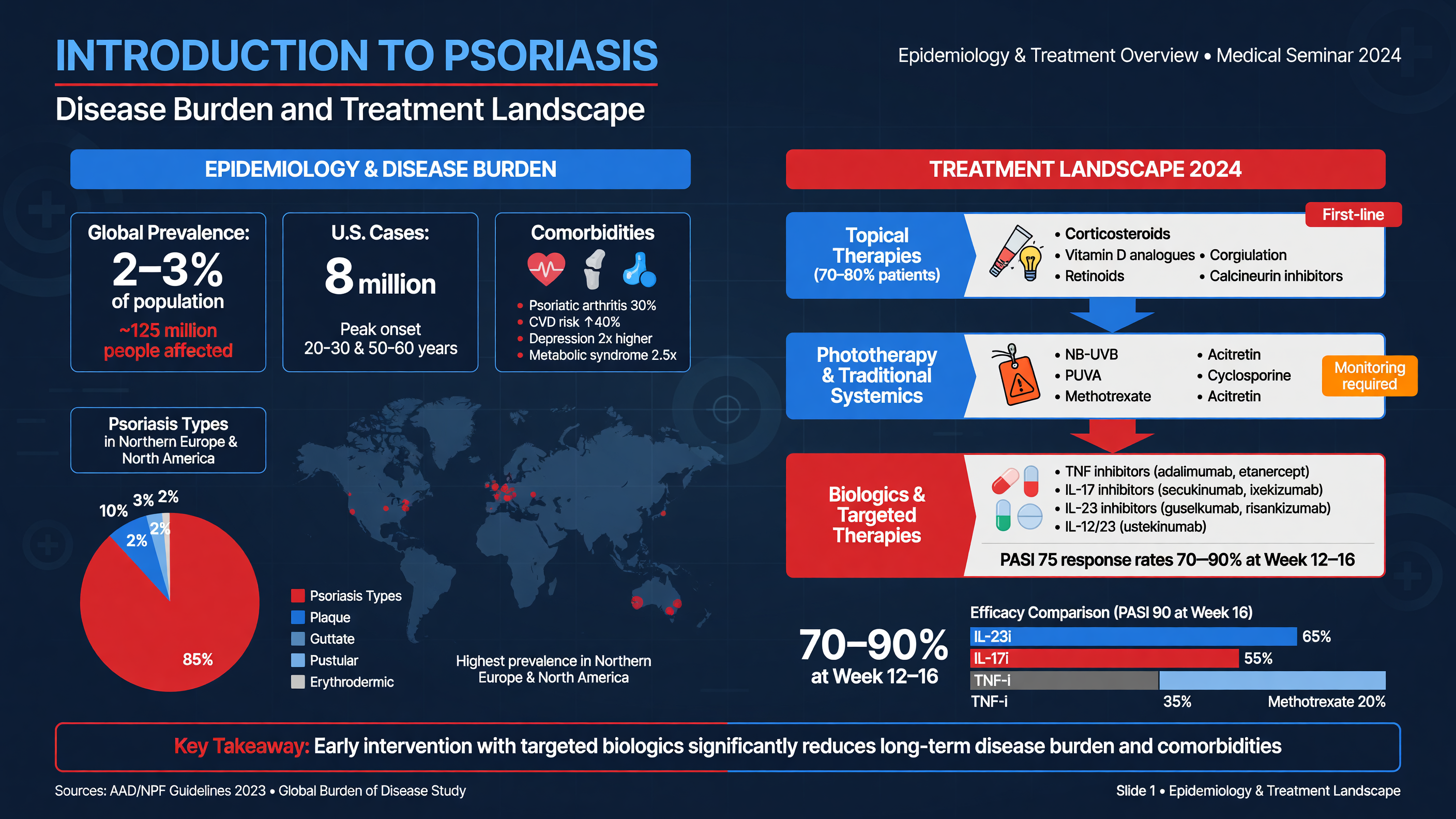 Psoriasis is a chronic, immune-mediated disease in which genetic susceptibility, innate immune activation, and adaptive immunity produce sustained keratinocyte hyperproliferation. HLA-C*06:02 has the strongest genetic association, while variants involving IL23A, IL12B, and IL17RA reinforce the central role of the IL-23/Th17 axis. Activated dendritic cells release IL-23, supporting pathogenic T cells that produce IL-17A, IL-17F, IL-22, and other mediators. Keratinocytes then release chemokines, antimicrobial peptides, and additional inflammatory signals, creating a self-amplifying loop ([PMID: 40571687](https://pubmed.ncbi.nlm.nih.gov/40571687/)).
Plaque psoriasis typically produces sharply demarcated plaques with scale on the scalp, trunk, and extensor surfaces. Nail pitting, onycholysis, subungual hyperkeratosis, and oil-drop discoloration increase suspicion for psoriatic disease and psoriatic arthritis. The diagnosis is usually clinical, but atypical morphology, asymmetry, unexpected treatment failure, or suspected cutaneous lymphoma should prompt reconsideration or biopsy. Tinea can mimic or coexist with psoriasis; perform potassium hydroxide testing when lesions are annular, unilateral, or worsen with corticosteroids. Other differentials include seborrheic dermatitis, nummular or contact dermatitis, pityriasis rubra pilaris, lichen planus, secondary syphilis, drug eruptions, and cutaneous T-cell lymphoma.
**MUST ACT:** Ask about inflammatory morning stiffness, swollen joints, dactylitis, heel pain, inflammatory back pain, and loss of function. Up to roughly one-third of patients may develop psoriatic arthritis, and irreversible damage can occur before the skin clinician recognizes it. A PEST questionnaire is useful, but it does not reliably exclude axial or entheseal disease; suspicious findings require rheumatology assessment.
Severity is multidimensional. Body-surface area, PASI, and physician global assessment describe visible inflammation but may underestimate genital, scalp, palmoplantar, facial, or nail disease. One percent body-surface area is approximately the patient’s palm including the fingers. Document itch, pain, fissuring, sleep disruption, sexual health, occupational impairment, and Dermatology Life Quality Index. In richly pigmented skin, erythema can appear violaceous, gray, or dark brown; relying narrowly on redness may underestimate activity. Conversely, persistent post-inflammatory dyspigmentation should not be mistaken for active plaque.
**Framework:** Define systemic-treatment candidacy through five domains: objective extent, high-impact location, symptoms, quality-of-life impairment, and failure or impracticality of topical therapy. A patient with 4% body-surface area involving the genitals and hands may have greater treatment need than a patient with 12% minimally symptomatic truncal disease.
The therapeutic ladder includes topical corticosteroids, vitamin D analogues, calcineurin inhibitors for selected sensitive sites, and newer nonsteroidal agents such as tapinarof and topical roflumilast. Narrowband UV-B remains effective when access and travel permit. Conventional systemic options include methotrexate, cyclosporine, and acitretin; apremilast, deucravacitinib, and icotrokinra expand oral choices. Biologics target TNF, IL-12/23, IL-17, or IL-23. Current guidelines increasingly permit biologics or targeted oral agents without obligatory failure of older systemic drugs when disease burden, comorbidity, or patient circumstances justify them. The 2026 S3 guideline defines PASI 75 as a minimum response and PASI 90 or absolute PASI below 2 as desirable targets ([PMID: 41531416](https://pubmed.ncbi.nlm.nih.gov/41531416/)).
**Teaching Point:** Treat psoriasis as a systemic, longitudinal disease. Screen for obesity, hypertension, dyslipidemia, diabetes, smoking, depression, suicidality, inflammatory bowel disease, and psoriatic arthritis rather than treating plaques in isolation.
**Audience Poll:** Which finding most often changes your treatment plan: total body-surface area, genital or palmoplantar involvement, possible psoriatic arthritis, or cardiometabolic comorbidity?
---
## Mechanisms of Emerging Oral Therapies: Icotrokinra and TYK2 Inhibitors
Psoriasis is a chronic, immune-mediated disease in which genetic susceptibility, innate immune activation, and adaptive immunity produce sustained keratinocyte hyperproliferation. HLA-C*06:02 has the strongest genetic association, while variants involving IL23A, IL12B, and IL17RA reinforce the central role of the IL-23/Th17 axis. Activated dendritic cells release IL-23, supporting pathogenic T cells that produce IL-17A, IL-17F, IL-22, and other mediators. Keratinocytes then release chemokines, antimicrobial peptides, and additional inflammatory signals, creating a self-amplifying loop ([PMID: 40571687](https://pubmed.ncbi.nlm.nih.gov/40571687/)).
Plaque psoriasis typically produces sharply demarcated plaques with scale on the scalp, trunk, and extensor surfaces. Nail pitting, onycholysis, subungual hyperkeratosis, and oil-drop discoloration increase suspicion for psoriatic disease and psoriatic arthritis. The diagnosis is usually clinical, but atypical morphology, asymmetry, unexpected treatment failure, or suspected cutaneous lymphoma should prompt reconsideration or biopsy. Tinea can mimic or coexist with psoriasis; perform potassium hydroxide testing when lesions are annular, unilateral, or worsen with corticosteroids. Other differentials include seborrheic dermatitis, nummular or contact dermatitis, pityriasis rubra pilaris, lichen planus, secondary syphilis, drug eruptions, and cutaneous T-cell lymphoma.
**MUST ACT:** Ask about inflammatory morning stiffness, swollen joints, dactylitis, heel pain, inflammatory back pain, and loss of function. Up to roughly one-third of patients may develop psoriatic arthritis, and irreversible damage can occur before the skin clinician recognizes it. A PEST questionnaire is useful, but it does not reliably exclude axial or entheseal disease; suspicious findings require rheumatology assessment.
Severity is multidimensional. Body-surface area, PASI, and physician global assessment describe visible inflammation but may underestimate genital, scalp, palmoplantar, facial, or nail disease. One percent body-surface area is approximately the patient’s palm including the fingers. Document itch, pain, fissuring, sleep disruption, sexual health, occupational impairment, and Dermatology Life Quality Index. In richly pigmented skin, erythema can appear violaceous, gray, or dark brown; relying narrowly on redness may underestimate activity. Conversely, persistent post-inflammatory dyspigmentation should not be mistaken for active plaque.
**Framework:** Define systemic-treatment candidacy through five domains: objective extent, high-impact location, symptoms, quality-of-life impairment, and failure or impracticality of topical therapy. A patient with 4% body-surface area involving the genitals and hands may have greater treatment need than a patient with 12% minimally symptomatic truncal disease.
The therapeutic ladder includes topical corticosteroids, vitamin D analogues, calcineurin inhibitors for selected sensitive sites, and newer nonsteroidal agents such as tapinarof and topical roflumilast. Narrowband UV-B remains effective when access and travel permit. Conventional systemic options include methotrexate, cyclosporine, and acitretin; apremilast, deucravacitinib, and icotrokinra expand oral choices. Biologics target TNF, IL-12/23, IL-17, or IL-23. Current guidelines increasingly permit biologics or targeted oral agents without obligatory failure of older systemic drugs when disease burden, comorbidity, or patient circumstances justify them. The 2026 S3 guideline defines PASI 75 as a minimum response and PASI 90 or absolute PASI below 2 as desirable targets ([PMID: 41531416](https://pubmed.ncbi.nlm.nih.gov/41531416/)).
**Teaching Point:** Treat psoriasis as a systemic, longitudinal disease. Screen for obesity, hypertension, dyslipidemia, diabetes, smoking, depression, suicidality, inflammatory bowel disease, and psoriatic arthritis rather than treating plaques in isolation.
**Audience Poll:** Which finding most often changes your treatment plan: total body-surface area, genital or palmoplantar involvement, possible psoriatic arthritis, or cardiometabolic comorbidity?
---
## Mechanisms of Emerging Oral Therapies: Icotrokinra and TYK2 Inhibitors
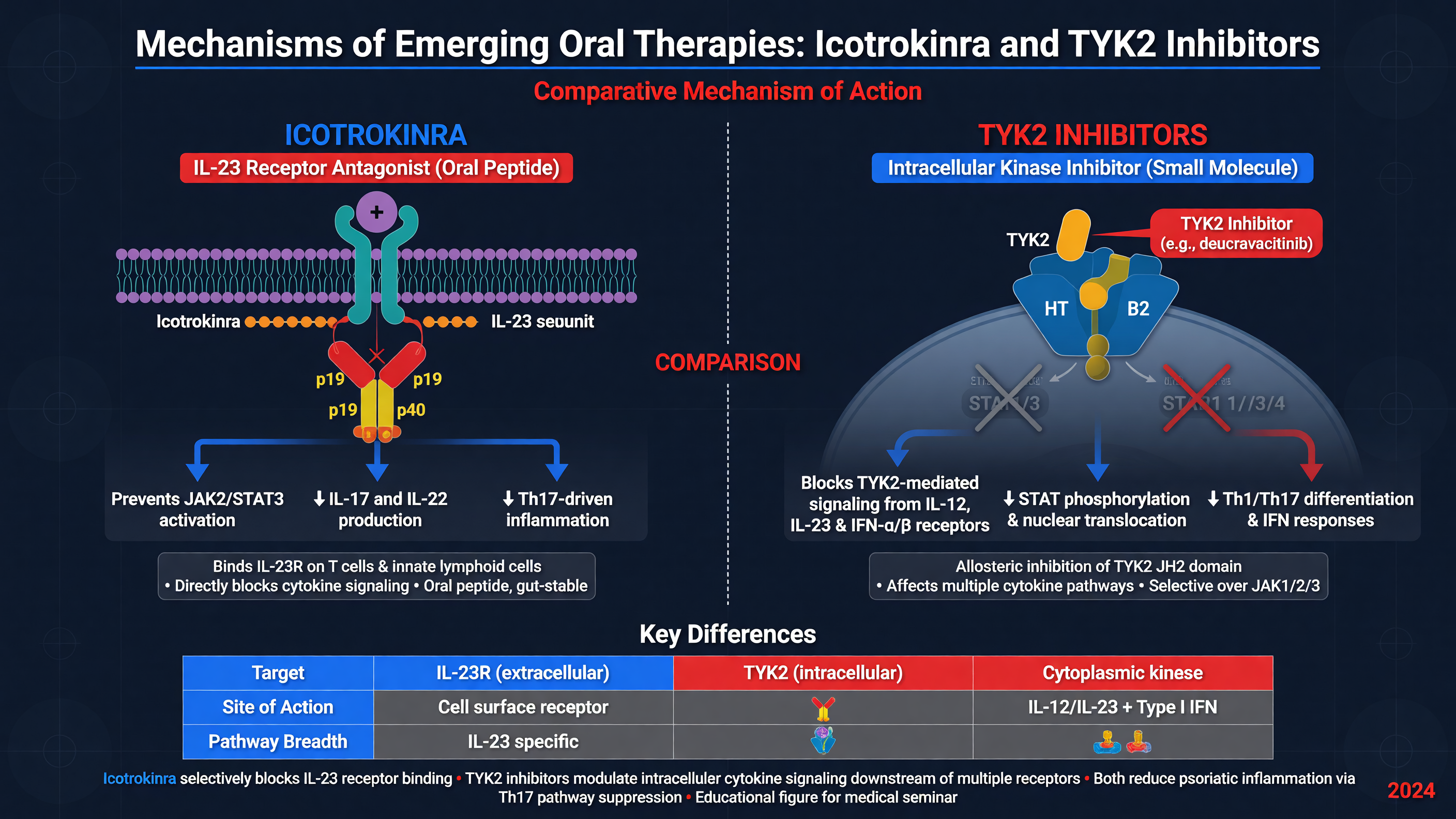 Icotrokinra and deucravacitinib both reduce IL-23-driven inflammation, but they act at different levels and should not be grouped as interchangeable “oral IL-23 inhibitors.” Icotrokinra, marketed in the United States as ICOTYDE, is a chemically synthesized 13-amino-acid cyclic peptide. It binds IL-23 receptor with a dissociation constant of approximately 7 pM and prevents IL-23 from activating its receptor complex. This suppresses downstream production of IL-17A, IL-17F, IL-19, IL-22, and β-defensin-2. Unlike guselkumab, risankizumab, or tildrakizumab, which bind the IL-23 p19 ligand, icotrokinra blocks IL-23 at its receptor. Unlike ustekinumab, it does not block the p40 subunit shared by IL-12 and IL-23 ([PMID: 39080319](https://pubmed.ncbi.nlm.nih.gov/39080319/)).
Its oral activity is pharmacologically unusual. Most peptides are degraded or poorly absorbed, but icotrokinra’s cyclic structure, stability, and exceptional potency permit clinically meaningful systemic activity without an absorption enhancer. The FDA approved it in March 2026 for moderate-to-severe plaque psoriasis in adults and adolescents at least 12 years old who weigh at least 40 kg and are candidates for systemic therapy or phototherapy.
**MUST ACT:** Prescribe the approved regimen correctly: icotrokinra 200 mg orally once daily upon waking, with water, on an empty stomach. The patient must wait at least 30 minutes before eating. A high-fat meal reduces area under the curve by 43% and peak concentration by 59%; inconsistent administration can masquerade as treatment failure. Tablets should not be crushed, split, or chewed, although the label provides a water-dispersion protocol for difficulty swallowing.
Deucravacitinib is a small-molecule inhibitor of tyrosine kinase 2, a Janus kinase family member that transmits signals from IL-23, IL-12, and type I interferon receptors. Conventional JAK inhibitors bind the conserved catalytic ATP-binding domain and can inhibit several JAK family members. Deucravacitinib instead binds the regulatory JH2 pseudokinase domain, stabilizing an inhibitory interaction with the catalytic JH1 domain. This produces clinically meaningful selectivity for TYK2 over JAK1, JAK2, and JAK3 ([PMID: 34471993](https://pubmed.ncbi.nlm.nih.gov/34471993/)).
The approved deucravacitinib dose is 6 mg orally once daily, with or without food and without loading or titration. It is approved for moderate-to-severe plaque psoriasis in adults and, as of March 2026, active psoriatic arthritis in adults. It should not be crushed, cut, or chewed. No renal dose adjustment is required, including in dialysis, but it is not recommended in severe hepatic impairment.
**Teaching Point:** Icotrokinra selectively interrupts IL-23 receptor signaling; deucravacitinib inhibits intracellular signaling shared by IL-23, IL-12, and type I interferons. The narrower extracellular receptor target may help explain icotrokinra’s distinct efficacy and adverse-event profile, but mechanistic elegance is not a substitute for long-term comparative safety data.
Route also changes pharmacologic behavior. Daily oral therapy can be stopped promptly when infection or toxicity occurs, whereas monoclonal antibodies have half-lives measured in weeks. That apparent reversibility is balanced by daily adherence requirements. Icotrokinra’s fasting instruction creates a meaningful behavioral burden that a quarterly injection may not.
**Nuance:** Selective TYK2 inhibition is not synonymous with broad JAK1/2/3 inhibition. Deucravacitinib has no FDA boxed warning, but its label states that it remains unknown whether mortality, malignancy, major cardiovascular event, and thrombosis risks observed with other JAK inhibitors apply to TYK2 inhibition. Avoid telling patients that those risks are either established or impossible.
**Decision Point:** If active psoriatic arthritis is present, do not choose icotrokinra solely because its skin efficacy is attractive. Its psoriatic-arthritis trials remain ongoing, whereas deucravacitinib and multiple biologics have current joint indications.
---
## Clinical Trial Insights: Efficacy Data from Recent Studies
Icotrokinra and deucravacitinib both reduce IL-23-driven inflammation, but they act at different levels and should not be grouped as interchangeable “oral IL-23 inhibitors.” Icotrokinra, marketed in the United States as ICOTYDE, is a chemically synthesized 13-amino-acid cyclic peptide. It binds IL-23 receptor with a dissociation constant of approximately 7 pM and prevents IL-23 from activating its receptor complex. This suppresses downstream production of IL-17A, IL-17F, IL-19, IL-22, and β-defensin-2. Unlike guselkumab, risankizumab, or tildrakizumab, which bind the IL-23 p19 ligand, icotrokinra blocks IL-23 at its receptor. Unlike ustekinumab, it does not block the p40 subunit shared by IL-12 and IL-23 ([PMID: 39080319](https://pubmed.ncbi.nlm.nih.gov/39080319/)).
Its oral activity is pharmacologically unusual. Most peptides are degraded or poorly absorbed, but icotrokinra’s cyclic structure, stability, and exceptional potency permit clinically meaningful systemic activity without an absorption enhancer. The FDA approved it in March 2026 for moderate-to-severe plaque psoriasis in adults and adolescents at least 12 years old who weigh at least 40 kg and are candidates for systemic therapy or phototherapy.
**MUST ACT:** Prescribe the approved regimen correctly: icotrokinra 200 mg orally once daily upon waking, with water, on an empty stomach. The patient must wait at least 30 minutes before eating. A high-fat meal reduces area under the curve by 43% and peak concentration by 59%; inconsistent administration can masquerade as treatment failure. Tablets should not be crushed, split, or chewed, although the label provides a water-dispersion protocol for difficulty swallowing.
Deucravacitinib is a small-molecule inhibitor of tyrosine kinase 2, a Janus kinase family member that transmits signals from IL-23, IL-12, and type I interferon receptors. Conventional JAK inhibitors bind the conserved catalytic ATP-binding domain and can inhibit several JAK family members. Deucravacitinib instead binds the regulatory JH2 pseudokinase domain, stabilizing an inhibitory interaction with the catalytic JH1 domain. This produces clinically meaningful selectivity for TYK2 over JAK1, JAK2, and JAK3 ([PMID: 34471993](https://pubmed.ncbi.nlm.nih.gov/34471993/)).
The approved deucravacitinib dose is 6 mg orally once daily, with or without food and without loading or titration. It is approved for moderate-to-severe plaque psoriasis in adults and, as of March 2026, active psoriatic arthritis in adults. It should not be crushed, cut, or chewed. No renal dose adjustment is required, including in dialysis, but it is not recommended in severe hepatic impairment.
**Teaching Point:** Icotrokinra selectively interrupts IL-23 receptor signaling; deucravacitinib inhibits intracellular signaling shared by IL-23, IL-12, and type I interferons. The narrower extracellular receptor target may help explain icotrokinra’s distinct efficacy and adverse-event profile, but mechanistic elegance is not a substitute for long-term comparative safety data.
Route also changes pharmacologic behavior. Daily oral therapy can be stopped promptly when infection or toxicity occurs, whereas monoclonal antibodies have half-lives measured in weeks. That apparent reversibility is balanced by daily adherence requirements. Icotrokinra’s fasting instruction creates a meaningful behavioral burden that a quarterly injection may not.
**Nuance:** Selective TYK2 inhibition is not synonymous with broad JAK1/2/3 inhibition. Deucravacitinib has no FDA boxed warning, but its label states that it remains unknown whether mortality, malignancy, major cardiovascular event, and thrombosis risks observed with other JAK inhibitors apply to TYK2 inhibition. Avoid telling patients that those risks are either established or impossible.
**Decision Point:** If active psoriatic arthritis is present, do not choose icotrokinra solely because its skin efficacy is attractive. Its psoriatic-arthritis trials remain ongoing, whereas deucravacitinib and multiple biologics have current joint indications.
---
## Clinical Trial Insights: Efficacy Data from Recent Studies
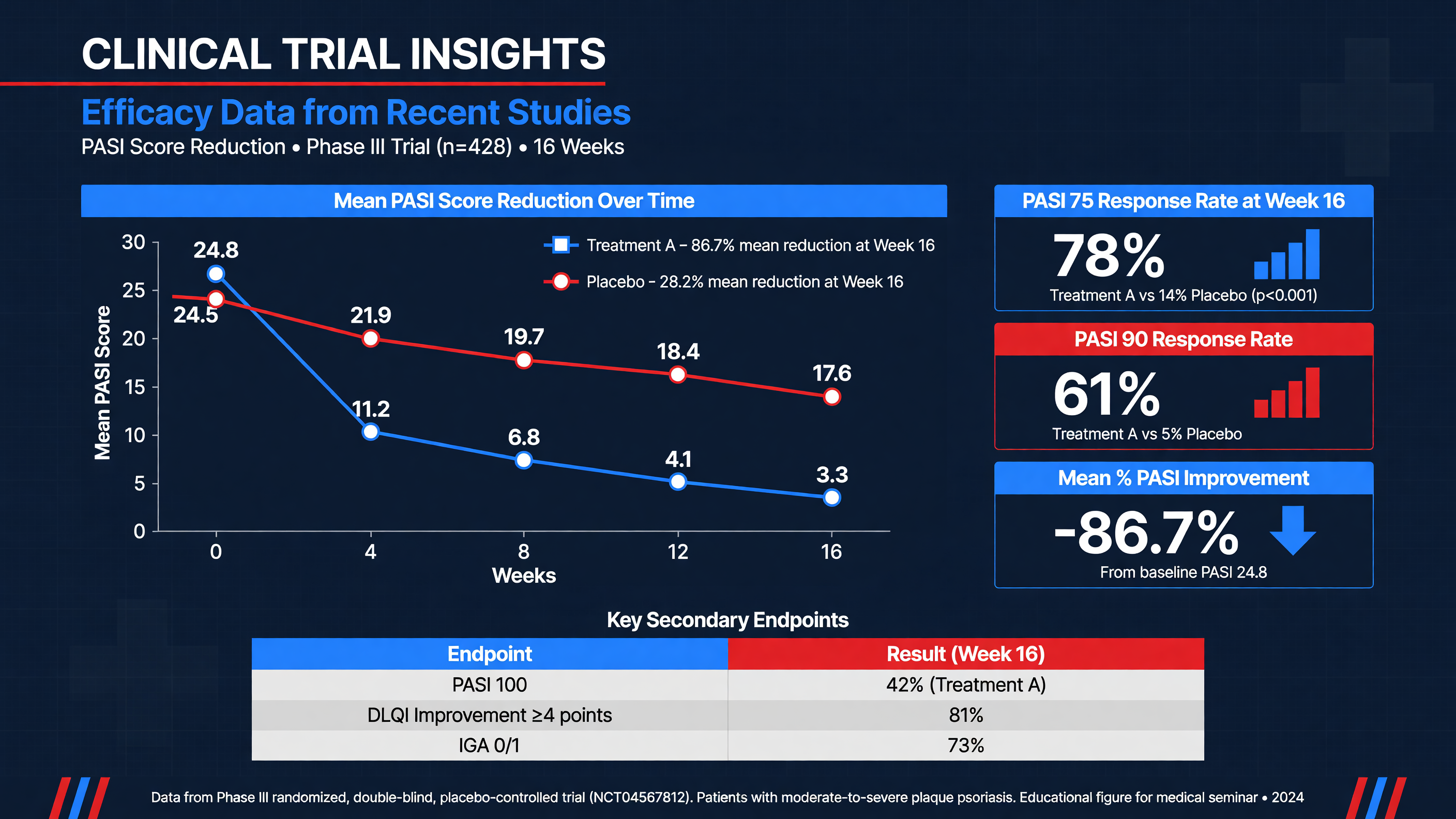 Interpret psoriasis trials by first defining the endpoint. PASI 75, PASI 90, and PASI 100 represent at least 75%, 90%, and 100% improvement from baseline. IGA or sPGA 0/1 usually means clear or almost-clear skin with at least a two-grade improvement. PASI is a relative measure: a PASI 90 responder starting at 30 may retain more disease than one starting at 12. Examine absolute disease, high-impact sites, itch, and quality of life in addition to headline percentages.
**FRONTIER 1** established proof of concept for icotrokinra. In this phase 2b dose-ranging trial, 255 adults received placebo or one of five regimens from 25 mg once daily through 100 mg twice daily. Week-16 PASI 75 increased dose dependently from 37% to 79%, compared with 9% on placebo. Adverse events occurred in 52% of pooled icotrokinra recipients and 51% of placebo recipients, without a dose-related safety gradient ([PMID: 38324484](https://pubmed.ncbi.nlm.nih.gov/38324484/)). FRONTIER 2 extended treatment to 52 weeks; in the 100-mg twice-daily group, PASI 90 was 64% and PASI 100 was 40%. These descriptive extension data supported phase 3 development but involved small dose groups and should not be interpreted as a randomized biologic comparison ([PMID: 39549848](https://pubmed.ncbi.nlm.nih.gov/39549848/)).
In **ICONIC-LEAD**, 684 adults and adolescents with PASI at least 12, IGA at least 3, and body-surface area at least 10% received icotrokinra 200 mg daily or placebo. At week 16, IGA 0/1 occurred in 65% versus 8%, and PASI 90 in 50% versus 4%. Complete clearance occurred in 27% by PASI 100 and 33% by IGA 0, versus less than 1% and 1% on placebo. Adverse events occurred in 49% of each group. Among week-24 responders, continued therapy maintained PASI 90 at week 52 in 84%, compared with 21% after randomized withdrawal; median time to response loss after withdrawal was about ten weeks ([PMID: 41191940](https://pubmed.ncbi.nlm.nih.gov/41191940/)).
**ICONIC-TOTAL** addressed clinically important disease that conventional trial thresholds can miss. Participants could have body-surface area as low as 1% but needed at least moderate scalp, genital, or hand-foot disease. At week 16, overall IGA 0/1 was 56.7% with icotrokinra versus 5.8% with placebo. Scalp clearance or minimal disease occurred in 65.9% versus 10.6%, and genital response in 76.5% versus 21.4%. The hand-foot comparison, 41.7% versus 26.1%, was not statistically significant; it should not be promoted as proven palmoplantar superiority ([PMID: 41191932](https://pubmed.ncbi.nlm.nih.gov/41191932/)).
The decisive oral head-to-head evidence comes from **ICONIC-ADVANCE 1 and 2**, totaling 1,505 adults. At week 16, icotrokinra produced IGA 0/1 rates of 68%–71%, compared with 50%–55% for deucravacitinib, and PASI 90 rates of 55%–58%, compared with 30%–34%. At week 24, PASI 90 remained higher with icotrokinra, 65%–66% versus 41%–44%. Comparators switched to icotrokinra after weeks 16 or 24, so later extension results do not represent a sustained randomized comparison ([PMID: 40976249](https://pubmed.ncbi.nlm.nih.gov/40976249/)).
Deucravacitinib’s pivotal evidence remains clinically important. In **POETYK PSO-1**, week-16 PASI 75 was 58.4% with deucravacitinib, 12.7% with placebo, and 35.1% with apremilast; sPGA 0/1 was 53.6%, 7.2%, and 32.1%, respectively ([PMID: 35820547](https://pubmed.ncbi.nlm.nih.gov/35820547/)). POETYK PSO-2 replicated superiority, with PASI 75 rates of 53.0%, 9.4%, and 39.8% ([PMID: 36115523](https://pubmed.ncbi.nlm.nih.gov/36115523/)). Four-year extension data showed PASI 90 near 47.5% among continuous-treatment participants, but completer enrichment and open-label follow-up limit causal comparison ([PMID: 40045918](https://pubmed.ncbi.nlm.nih.gov/40045918/)).
**Nuance:** Icotrokinra has demonstrated superiority to deucravacitinib, not equivalence to leading IL-17 or IL-23 biologics. A reported modern-biologic head-to-head result is still needed.
**Audience Poll:** Which result most changes your prescribing: PASI 90, complete clearance, high-impact-site response, randomized-withdrawal durability, or superiority to another oral agent?
---
## Patient Preference and Shared Decision Making
Interpret psoriasis trials by first defining the endpoint. PASI 75, PASI 90, and PASI 100 represent at least 75%, 90%, and 100% improvement from baseline. IGA or sPGA 0/1 usually means clear or almost-clear skin with at least a two-grade improvement. PASI is a relative measure: a PASI 90 responder starting at 30 may retain more disease than one starting at 12. Examine absolute disease, high-impact sites, itch, and quality of life in addition to headline percentages.
**FRONTIER 1** established proof of concept for icotrokinra. In this phase 2b dose-ranging trial, 255 adults received placebo or one of five regimens from 25 mg once daily through 100 mg twice daily. Week-16 PASI 75 increased dose dependently from 37% to 79%, compared with 9% on placebo. Adverse events occurred in 52% of pooled icotrokinra recipients and 51% of placebo recipients, without a dose-related safety gradient ([PMID: 38324484](https://pubmed.ncbi.nlm.nih.gov/38324484/)). FRONTIER 2 extended treatment to 52 weeks; in the 100-mg twice-daily group, PASI 90 was 64% and PASI 100 was 40%. These descriptive extension data supported phase 3 development but involved small dose groups and should not be interpreted as a randomized biologic comparison ([PMID: 39549848](https://pubmed.ncbi.nlm.nih.gov/39549848/)).
In **ICONIC-LEAD**, 684 adults and adolescents with PASI at least 12, IGA at least 3, and body-surface area at least 10% received icotrokinra 200 mg daily or placebo. At week 16, IGA 0/1 occurred in 65% versus 8%, and PASI 90 in 50% versus 4%. Complete clearance occurred in 27% by PASI 100 and 33% by IGA 0, versus less than 1% and 1% on placebo. Adverse events occurred in 49% of each group. Among week-24 responders, continued therapy maintained PASI 90 at week 52 in 84%, compared with 21% after randomized withdrawal; median time to response loss after withdrawal was about ten weeks ([PMID: 41191940](https://pubmed.ncbi.nlm.nih.gov/41191940/)).
**ICONIC-TOTAL** addressed clinically important disease that conventional trial thresholds can miss. Participants could have body-surface area as low as 1% but needed at least moderate scalp, genital, or hand-foot disease. At week 16, overall IGA 0/1 was 56.7% with icotrokinra versus 5.8% with placebo. Scalp clearance or minimal disease occurred in 65.9% versus 10.6%, and genital response in 76.5% versus 21.4%. The hand-foot comparison, 41.7% versus 26.1%, was not statistically significant; it should not be promoted as proven palmoplantar superiority ([PMID: 41191932](https://pubmed.ncbi.nlm.nih.gov/41191932/)).
The decisive oral head-to-head evidence comes from **ICONIC-ADVANCE 1 and 2**, totaling 1,505 adults. At week 16, icotrokinra produced IGA 0/1 rates of 68%–71%, compared with 50%–55% for deucravacitinib, and PASI 90 rates of 55%–58%, compared with 30%–34%. At week 24, PASI 90 remained higher with icotrokinra, 65%–66% versus 41%–44%. Comparators switched to icotrokinra after weeks 16 or 24, so later extension results do not represent a sustained randomized comparison ([PMID: 40976249](https://pubmed.ncbi.nlm.nih.gov/40976249/)).
Deucravacitinib’s pivotal evidence remains clinically important. In **POETYK PSO-1**, week-16 PASI 75 was 58.4% with deucravacitinib, 12.7% with placebo, and 35.1% with apremilast; sPGA 0/1 was 53.6%, 7.2%, and 32.1%, respectively ([PMID: 35820547](https://pubmed.ncbi.nlm.nih.gov/35820547/)). POETYK PSO-2 replicated superiority, with PASI 75 rates of 53.0%, 9.4%, and 39.8% ([PMID: 36115523](https://pubmed.ncbi.nlm.nih.gov/36115523/)). Four-year extension data showed PASI 90 near 47.5% among continuous-treatment participants, but completer enrichment and open-label follow-up limit causal comparison ([PMID: 40045918](https://pubmed.ncbi.nlm.nih.gov/40045918/)).
**Nuance:** Icotrokinra has demonstrated superiority to deucravacitinib, not equivalence to leading IL-17 or IL-23 biologics. A reported modern-biologic head-to-head result is still needed.
**Audience Poll:** Which result most changes your prescribing: PASI 90, complete clearance, high-impact-site response, randomized-withdrawal durability, or superiority to another oral agent?
---
## Patient Preference and Shared Decision Making
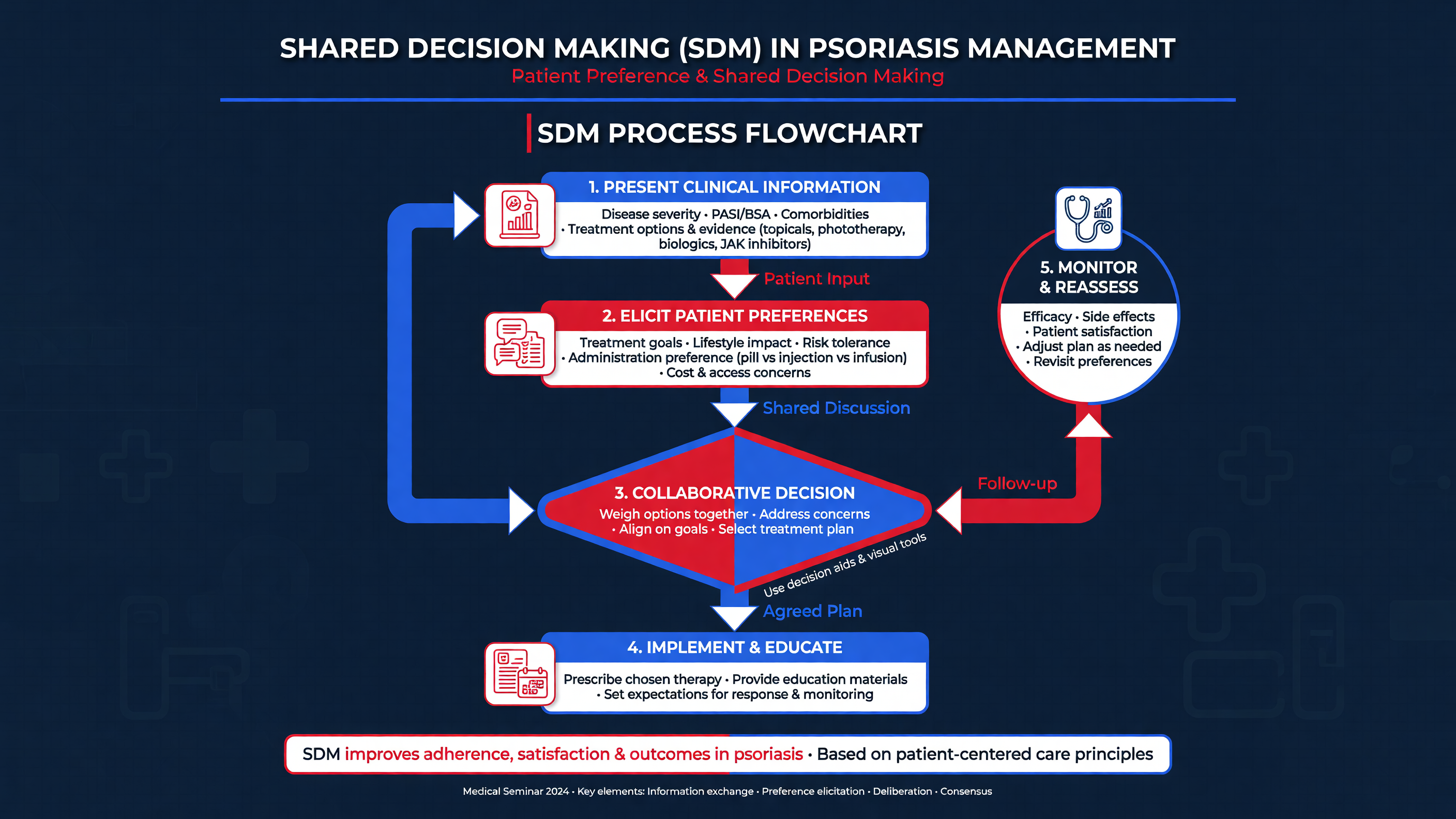 Shared decision-making begins by replacing “Which drug do you want?” with a structured discussion of outcomes and trade-offs. Ask what the patient most wants restored: sleep, hand function, intimacy, confidence, work attendance, freedom from scale, or joint mobility. Then identify a measurable target and the time at which inadequate response will trigger reconsideration.
Route preference is real but heterogeneous. In an Australian discrete-choice experiment involving 178 patients and 43 dermatologists, symptom reduction, safety, and route all influenced selection. When attributes were otherwise equal, oral therapy was preferred for moderate disease, but efficacy and safety remained major drivers ([PMID: 39079697](https://pubmed.ncbi.nlm.nih.gov/39079697/)). Some patients fear injections or cannot refrigerate medication; others prefer one injection every eight to twelve weeks over remembering a pill every morning. An oral prescription that is skipped on weekends or taken with breakfast is not more convenient in practice.
**Framework:** Use a five-question shared-decision conversation:
1. What outcome matters most, and what residual disease would be unacceptable?
2. How much uncertainty or adverse-event risk will the patient accept for greater clearance?
3. Is daily fasting medication or intermittent self-injection more compatible with the patient’s routine?
4. Which comorbidities, reproductive plans, and concurrent medicines constrain the options?
5. Can the patient obtain and continue the therapy under the actual insurance benefit?
Communicate efficacy in absolute terms. “About 55 of 100 patients reached PASI 90 by week 16” is clearer than “a 90% response.” Distinguish the chance of reaching PASI 90 from a 90% relative improvement in an individual. Explain that trial populations receive intensive follow-up and free medication; real-world response may be lower when adherence, obesity, delayed refills, and access intervene.
**Decision Point:** Present no more than two or three reasonable options after excluding clinically inappropriate choices. For example: icotrokinra for greater demonstrated oral skin efficacy; deucravacitinib when food-independent dosing, renal disease, or its psoriatic-arthritis indication matters; or an IL-17/IL-23 biologic when the highest probability of skin clearance or established multi-domain control outweighs injection concerns.
Preference discussions must include practical details. Icotrokinra requires a daily empty-stomach interval. Deucravacitinib can be taken with food but has different infection, laboratory, and viral-reactivation considerations. Biologics require injection training and sometimes refrigeration, but their infrequent dosing can improve adherence. Ask about work shifts, travel, unstable housing, dexterity, needle phobia, health literacy, pregnancy plans, copays, and previous reasons for discontinuation.
**Nuance:** “Injection fatigue” may represent needle aversion, inconvenience, injection pain, treatment burnout, loss of efficacy, or a desire to feel less chronically ill. Those problems require different solutions. Switching an effective quarterly biologic to a daily pill may increase rather than reduce treatment burden.
Document the shared plan: baseline disease measures, target, trial duration, rescue topicals, monitoring, refill pathway, and actions for infection or pregnancy. Use teach-back: “Show me how you will take this medication,” or “Tell me what would make you call us before the next visit.” Arrange reassessment around weeks 12–16, with earlier contact for toxicity or rapid worsening.
**Teaching Point:** Patient preference is not an override of clinical appropriateness. Active arthritis, inflammatory bowel disease, severe infection risk, pregnancy, or organ dysfunction can change the safe option set before preference is applied.
**Audience Poll:** Would your patient rather take a pill every morning before breakfast or inject at home every eight to twelve weeks—and have you asked rather than assumed?
---
## Comparative Analysis: Oral vs Biologic Treatment Outcomes
Shared decision-making begins by replacing “Which drug do you want?” with a structured discussion of outcomes and trade-offs. Ask what the patient most wants restored: sleep, hand function, intimacy, confidence, work attendance, freedom from scale, or joint mobility. Then identify a measurable target and the time at which inadequate response will trigger reconsideration.
Route preference is real but heterogeneous. In an Australian discrete-choice experiment involving 178 patients and 43 dermatologists, symptom reduction, safety, and route all influenced selection. When attributes were otherwise equal, oral therapy was preferred for moderate disease, but efficacy and safety remained major drivers ([PMID: 39079697](https://pubmed.ncbi.nlm.nih.gov/39079697/)). Some patients fear injections or cannot refrigerate medication; others prefer one injection every eight to twelve weeks over remembering a pill every morning. An oral prescription that is skipped on weekends or taken with breakfast is not more convenient in practice.
**Framework:** Use a five-question shared-decision conversation:
1. What outcome matters most, and what residual disease would be unacceptable?
2. How much uncertainty or adverse-event risk will the patient accept for greater clearance?
3. Is daily fasting medication or intermittent self-injection more compatible with the patient’s routine?
4. Which comorbidities, reproductive plans, and concurrent medicines constrain the options?
5. Can the patient obtain and continue the therapy under the actual insurance benefit?
Communicate efficacy in absolute terms. “About 55 of 100 patients reached PASI 90 by week 16” is clearer than “a 90% response.” Distinguish the chance of reaching PASI 90 from a 90% relative improvement in an individual. Explain that trial populations receive intensive follow-up and free medication; real-world response may be lower when adherence, obesity, delayed refills, and access intervene.
**Decision Point:** Present no more than two or three reasonable options after excluding clinically inappropriate choices. For example: icotrokinra for greater demonstrated oral skin efficacy; deucravacitinib when food-independent dosing, renal disease, or its psoriatic-arthritis indication matters; or an IL-17/IL-23 biologic when the highest probability of skin clearance or established multi-domain control outweighs injection concerns.
Preference discussions must include practical details. Icotrokinra requires a daily empty-stomach interval. Deucravacitinib can be taken with food but has different infection, laboratory, and viral-reactivation considerations. Biologics require injection training and sometimes refrigeration, but their infrequent dosing can improve adherence. Ask about work shifts, travel, unstable housing, dexterity, needle phobia, health literacy, pregnancy plans, copays, and previous reasons for discontinuation.
**Nuance:** “Injection fatigue” may represent needle aversion, inconvenience, injection pain, treatment burnout, loss of efficacy, or a desire to feel less chronically ill. Those problems require different solutions. Switching an effective quarterly biologic to a daily pill may increase rather than reduce treatment burden.
Document the shared plan: baseline disease measures, target, trial duration, rescue topicals, monitoring, refill pathway, and actions for infection or pregnancy. Use teach-back: “Show me how you will take this medication,” or “Tell me what would make you call us before the next visit.” Arrange reassessment around weeks 12–16, with earlier contact for toxicity or rapid worsening.
**Teaching Point:** Patient preference is not an override of clinical appropriateness. Active arthritis, inflammatory bowel disease, severe infection risk, pregnancy, or organ dysfunction can change the safe option set before preference is applied.
**Audience Poll:** Would your patient rather take a pill every morning before breakfast or inject at home every eight to twelve weeks—and have you asked rather than assumed?
---
## Comparative Analysis: Oral vs Biologic Treatment Outcomes
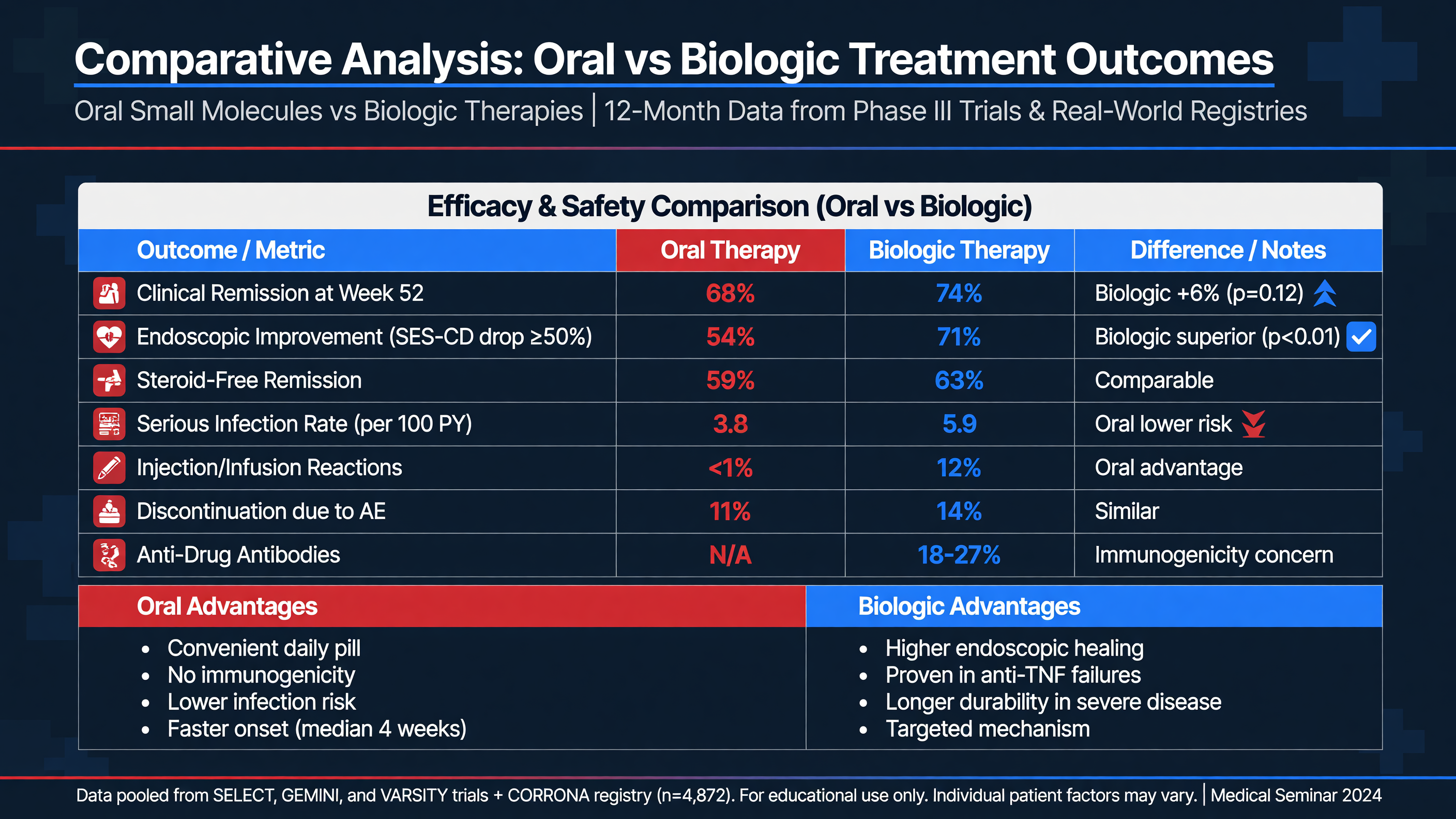 Modern biologics set a high efficacy benchmark. In separate pivotal trials, week-16 PASI 90 approached 75% with risankizumab in UltIMMa-1/2, 73% with guselkumab in VOYAGE 1, and 85% with bimekizumab in BE VIVID ([PMID: 30097359](https://pubmed.ncbi.nlm.nih.gov/30097359/); [PMID: 28057360](https://pubmed.ncbi.nlm.nih.gov/28057360/); [PMID: 33549193](https://pubmed.ncbi.nlm.nih.gov/33549193/)). These figures provide context, not valid head-to-head rankings: eligibility criteria, baseline severity, time points, missing-data methods, and background therapy differ.
Icotrokinra’s week-16 PASI 90 rates of approximately 50%–58% and week-24 rates near 65%–66% substantially narrow the historical oral–biologic gap. Deucravacitinib is more effective than apremilast but generally produces lower high-level clearance than icotrokinra. Neither oral agent has yet shown randomized equivalence to a leading IL-17 or IL-23 biologic. The defensible conclusion is that icotrokinra offers high oral efficacy—not that route has become irrelevant.
**Teaching Point:** Compare the endpoint that matters. PASI 75 may be adequate evidence of activity, but PASI 90, PASI 100, absolute PASI, itch resolution, DLQI 0/1, and high-impact-site control better reflect contemporary patient goals.
Biologics offer mature class experience, infrequent maintenance dosing, and proven efficacy across different disease domains. TNF inhibitors have extensive joint, bowel, and pregnancy experience; IL-17 inhibitors often act quickly and provide strong skin and joint control; IL-23 inhibitors combine high clearance with durable, widely spaced dosing. Oral agents avoid needles, injection-site reactions, sharps disposal, and cold-chain logistics. They also permit faster drug withdrawal, but require daily adherence and expose the patient to recurring pharmacy-benefit access barriers.
Comorbidity frequently decides the contest. Active peripheral or axial psoriatic arthritis requires a therapy with appropriate musculoskeletal evidence. Deucravacitinib now has an adult active-psoriatic-arthritis indication, whereas icotrokinra does not. Inflammatory bowel disease favors agents with bowel efficacy and generally argues against IL-17 inhibition. Moderate-to-severe heart failure or demyelinating disease makes TNF inhibition unattractive. Recurrent candidiasis may weigh against IL-17 blockade. Pregnancy planning may favor certolizumab because of minimal placental transfer, while experience with newly approved oral agents is limited.
**MUST ACT:** Do not let excellent skin clearance conceal progressive joint disease. Assess skin and musculoskeletal domains independently and coordinate with rheumatology when arthritis is suspected or established.
When a therapy fails, define the failure. Primary failure after an adequate, adherent trial suggests target mismatch or an incorrect diagnosis. Secondary loss of response raises nonadherence, altered exposure, antidrug antibodies, weight change, or disease evolution. Before switching, confirm delivery, refill history, dosing conditions, concurrent triggers, and whether “failure” is persistent inflammation or residual dyspigmentation. Routine proactive biologic drug-level monitoring is not established for most psoriasis agents; testing is most useful when a specific result would change management.
**Decision Point:** After primary biologic failure, switching mechanism is often more rational than merely changing route. After secondary loss, either within-class or between-class switching may succeed. Icotrokinra should not be portrayed as a validated rescue for failure of an IL-23 biologic; pivotal studies do not answer that specific question.
Cost is not equivalent to list price. Determine whether treatment falls under pharmacy or medical benefits, expected copay, prior-authorization requirements, bridge coverage, and refill reliability. Biosimilars may make a biologic more accessible than a branded oral drug. Conversely, a pill may avoid infusion visits and lost wages.
**Nuance:** Convenience is an outcome. The optimal drug is the one that is clinically appropriate, obtainable, acceptable, and taken consistently—not necessarily the agent with the highest trial response or the fewest annual doses.
---
## Safety Profiles and Monitoring: Adverse Events and Contraindications
Modern biologics set a high efficacy benchmark. In separate pivotal trials, week-16 PASI 90 approached 75% with risankizumab in UltIMMa-1/2, 73% with guselkumab in VOYAGE 1, and 85% with bimekizumab in BE VIVID ([PMID: 30097359](https://pubmed.ncbi.nlm.nih.gov/30097359/); [PMID: 28057360](https://pubmed.ncbi.nlm.nih.gov/28057360/); [PMID: 33549193](https://pubmed.ncbi.nlm.nih.gov/33549193/)). These figures provide context, not valid head-to-head rankings: eligibility criteria, baseline severity, time points, missing-data methods, and background therapy differ.
Icotrokinra’s week-16 PASI 90 rates of approximately 50%–58% and week-24 rates near 65%–66% substantially narrow the historical oral–biologic gap. Deucravacitinib is more effective than apremilast but generally produces lower high-level clearance than icotrokinra. Neither oral agent has yet shown randomized equivalence to a leading IL-17 or IL-23 biologic. The defensible conclusion is that icotrokinra offers high oral efficacy—not that route has become irrelevant.
**Teaching Point:** Compare the endpoint that matters. PASI 75 may be adequate evidence of activity, but PASI 90, PASI 100, absolute PASI, itch resolution, DLQI 0/1, and high-impact-site control better reflect contemporary patient goals.
Biologics offer mature class experience, infrequent maintenance dosing, and proven efficacy across different disease domains. TNF inhibitors have extensive joint, bowel, and pregnancy experience; IL-17 inhibitors often act quickly and provide strong skin and joint control; IL-23 inhibitors combine high clearance with durable, widely spaced dosing. Oral agents avoid needles, injection-site reactions, sharps disposal, and cold-chain logistics. They also permit faster drug withdrawal, but require daily adherence and expose the patient to recurring pharmacy-benefit access barriers.
Comorbidity frequently decides the contest. Active peripheral or axial psoriatic arthritis requires a therapy with appropriate musculoskeletal evidence. Deucravacitinib now has an adult active-psoriatic-arthritis indication, whereas icotrokinra does not. Inflammatory bowel disease favors agents with bowel efficacy and generally argues against IL-17 inhibition. Moderate-to-severe heart failure or demyelinating disease makes TNF inhibition unattractive. Recurrent candidiasis may weigh against IL-17 blockade. Pregnancy planning may favor certolizumab because of minimal placental transfer, while experience with newly approved oral agents is limited.
**MUST ACT:** Do not let excellent skin clearance conceal progressive joint disease. Assess skin and musculoskeletal domains independently and coordinate with rheumatology when arthritis is suspected or established.
When a therapy fails, define the failure. Primary failure after an adequate, adherent trial suggests target mismatch or an incorrect diagnosis. Secondary loss of response raises nonadherence, altered exposure, antidrug antibodies, weight change, or disease evolution. Before switching, confirm delivery, refill history, dosing conditions, concurrent triggers, and whether “failure” is persistent inflammation or residual dyspigmentation. Routine proactive biologic drug-level monitoring is not established for most psoriasis agents; testing is most useful when a specific result would change management.
**Decision Point:** After primary biologic failure, switching mechanism is often more rational than merely changing route. After secondary loss, either within-class or between-class switching may succeed. Icotrokinra should not be portrayed as a validated rescue for failure of an IL-23 biologic; pivotal studies do not answer that specific question.
Cost is not equivalent to list price. Determine whether treatment falls under pharmacy or medical benefits, expected copay, prior-authorization requirements, bridge coverage, and refill reliability. Biosimilars may make a biologic more accessible than a branded oral drug. Conversely, a pill may avoid infusion visits and lost wages.
**Nuance:** Convenience is an outcome. The optimal drug is the one that is clinically appropriate, obtainable, acceptable, and taken consistently—not necessarily the agent with the highest trial response or the fewest annual doses.
---
## Safety Profiles and Monitoring: Adverse Events and Contraindications
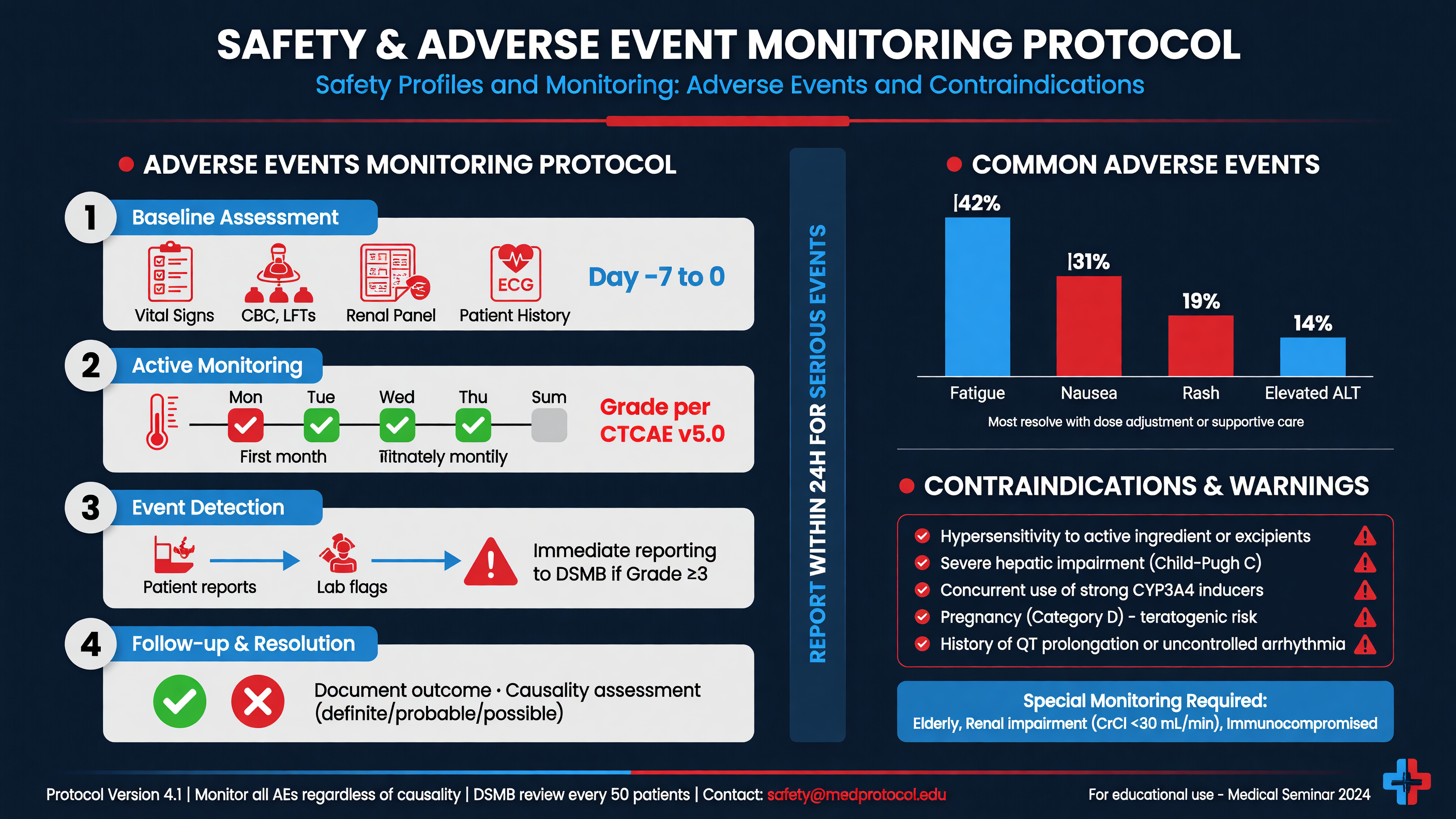 Safety begins before prescribing. Confirm the diagnosis and phenotype; review active or recurrent infection, tuberculosis exposure, hepatitis risk, malignancy, vaccination status, pregnancy and lactation, renal and hepatic function, cardiovascular risk, and concomitant immunosuppression. Obtain baseline disease photographs, BSA or PASI, IGA, high-impact-site measures, and a patient-reported outcome so toxicity is not accepted for an unmeasurable benefit.
**Framework:** Use a four-stage protocol: screen, vaccinate, initiate, and reassess. Baseline CBC, metabolic panel, liver enzymes, creatinine/eGFR, and lipids are pragmatic for many systemic candidates, but distinguish general clinical practice from label-mandated monitoring. Test pregnancy when relevant. Perform TB and hepatitis testing according to the drug, epidemiology, and individual risk.
For icotrokinra, the FDA label lists no contraindications and does not mandate routine CBC, liver, lipid, or CPK surveillance. Common adverse reactions through pooled trials were headache, nausea, cough, fungal infection, and fatigue. Serious infections through 16 weeks occurred in 0.2% with icotrokinra and 0.4% with placebo. Do not start during a clinically important active infection; interrupt therapy if such an infection develops until it resolves. Consider TB evaluation before treatment based on clinical judgment, avoid use in active TB, update age-appropriate vaccines, and avoid live vaccines.
Moderate or severe renal impairment deserves special attention. Icotrokinra exposure increased approximately 2.5- to 2.8-fold when eGFR was below 60 mL/min. The label specifies monitoring for potential adverse reactions rather than a lower dose. Pregnancy data are insufficient, and one year of trial follow-up cannot exclude rare infection, malignancy, cardiovascular, or reproductive outcomes.
**Teaching Point:** The most important icotrokinra “monitoring test” may be the medication history. Ask whether the tablet is taken on waking with water and whether breakfast is delayed at least 30 minutes.
Deucravacitinib is contraindicated after hypersensitivity to the drug or its excipients. Test for active and latent TB and treat latent infection before starting. Consider hepatitis B and C screening and monitoring; the drug is not recommended with active hepatitis B or C. Complete immunizations, including recombinant zoster vaccination when indicated, and avoid live vaccines. It is not recommended with another potent immunosuppressant or in Child-Pugh C hepatic impairment.
In POETYK’s pooled 16-week period, upper respiratory infections occurred in 19.2% with deucravacitinib versus 14.8% with placebo; increased CPK occurred in 2.7% versus 1.2%, herpes simplex in 2.0% versus 0.2%, and oral ulcers, folliculitis, and acne were also increased. Periodically assess triglycerides according to lipid guidelines. Check liver enzymes at baseline and during treatment in known or suspected liver disease. Obtain CPK promptly for unexplained muscle pain, weakness, fever, or dark urine; interrupt or discontinue for suspected myopathy or rhabdomyolysis. Four-year extension rates were broadly stable, but uncontrolled extension data cannot establish equivalence to long-established biologics.
Biologic monitoring is class-specific. Screen for TB and hepatitis risk, update vaccinations, and exclude significant active infection. TNF inhibitors carry greater concern for TB and hepatitis B reactivation and should generally be avoided in significant heart failure or demyelinating disease. IL-17 inhibitors increase mucocutaneous candidiasis and may induce or worsen inflammatory bowel disease. IL-23 inhibitors have favorable overall safety profiles but still require infection vigilance ([PMID: 38796266](https://pubmed.ncbi.nlm.nih.gov/38796266/)). Brodalumab has a boxed warning and REMS for suicidal ideation and behavior.
**MUST ACT:** Fever with hemodynamic instability, serious bacterial infection, disseminated zoster, suspected active TB, new hepatitis, angioedema, or rhabdomyolysis warrants immediate evaluation and interruption of the relevant immunomodulator. Do not wait for the routine dermatology visit.
**Nuance:** “Comparable to placebo” describes a controlled trial interval; it does not mean absence of rare or delayed harm. State the duration and exposure supporting every safety claim.
**Audience Poll:** Which safety omission causes more preventable harm in your setting: missed TB, incomplete vaccination, unrecognized hepatitis, failure to ask about muscle symptoms, or failure to reconcile concurrent immunosuppression?
---
## Real-World Evidence and Future Directions
Safety begins before prescribing. Confirm the diagnosis and phenotype; review active or recurrent infection, tuberculosis exposure, hepatitis risk, malignancy, vaccination status, pregnancy and lactation, renal and hepatic function, cardiovascular risk, and concomitant immunosuppression. Obtain baseline disease photographs, BSA or PASI, IGA, high-impact-site measures, and a patient-reported outcome so toxicity is not accepted for an unmeasurable benefit.
**Framework:** Use a four-stage protocol: screen, vaccinate, initiate, and reassess. Baseline CBC, metabolic panel, liver enzymes, creatinine/eGFR, and lipids are pragmatic for many systemic candidates, but distinguish general clinical practice from label-mandated monitoring. Test pregnancy when relevant. Perform TB and hepatitis testing according to the drug, epidemiology, and individual risk.
For icotrokinra, the FDA label lists no contraindications and does not mandate routine CBC, liver, lipid, or CPK surveillance. Common adverse reactions through pooled trials were headache, nausea, cough, fungal infection, and fatigue. Serious infections through 16 weeks occurred in 0.2% with icotrokinra and 0.4% with placebo. Do not start during a clinically important active infection; interrupt therapy if such an infection develops until it resolves. Consider TB evaluation before treatment based on clinical judgment, avoid use in active TB, update age-appropriate vaccines, and avoid live vaccines.
Moderate or severe renal impairment deserves special attention. Icotrokinra exposure increased approximately 2.5- to 2.8-fold when eGFR was below 60 mL/min. The label specifies monitoring for potential adverse reactions rather than a lower dose. Pregnancy data are insufficient, and one year of trial follow-up cannot exclude rare infection, malignancy, cardiovascular, or reproductive outcomes.
**Teaching Point:** The most important icotrokinra “monitoring test” may be the medication history. Ask whether the tablet is taken on waking with water and whether breakfast is delayed at least 30 minutes.
Deucravacitinib is contraindicated after hypersensitivity to the drug or its excipients. Test for active and latent TB and treat latent infection before starting. Consider hepatitis B and C screening and monitoring; the drug is not recommended with active hepatitis B or C. Complete immunizations, including recombinant zoster vaccination when indicated, and avoid live vaccines. It is not recommended with another potent immunosuppressant or in Child-Pugh C hepatic impairment.
In POETYK’s pooled 16-week period, upper respiratory infections occurred in 19.2% with deucravacitinib versus 14.8% with placebo; increased CPK occurred in 2.7% versus 1.2%, herpes simplex in 2.0% versus 0.2%, and oral ulcers, folliculitis, and acne were also increased. Periodically assess triglycerides according to lipid guidelines. Check liver enzymes at baseline and during treatment in known or suspected liver disease. Obtain CPK promptly for unexplained muscle pain, weakness, fever, or dark urine; interrupt or discontinue for suspected myopathy or rhabdomyolysis. Four-year extension rates were broadly stable, but uncontrolled extension data cannot establish equivalence to long-established biologics.
Biologic monitoring is class-specific. Screen for TB and hepatitis risk, update vaccinations, and exclude significant active infection. TNF inhibitors carry greater concern for TB and hepatitis B reactivation and should generally be avoided in significant heart failure or demyelinating disease. IL-17 inhibitors increase mucocutaneous candidiasis and may induce or worsen inflammatory bowel disease. IL-23 inhibitors have favorable overall safety profiles but still require infection vigilance ([PMID: 38796266](https://pubmed.ncbi.nlm.nih.gov/38796266/)). Brodalumab has a boxed warning and REMS for suicidal ideation and behavior.
**MUST ACT:** Fever with hemodynamic instability, serious bacterial infection, disseminated zoster, suspected active TB, new hepatitis, angioedema, or rhabdomyolysis warrants immediate evaluation and interruption of the relevant immunomodulator. Do not wait for the routine dermatology visit.
**Nuance:** “Comparable to placebo” describes a controlled trial interval; it does not mean absence of rare or delayed harm. State the duration and exposure supporting every safety claim.
**Audience Poll:** Which safety omission causes more preventable harm in your setting: missed TB, incomplete vaccination, unrecognized hepatitis, failure to ask about muscle symptoms, or failure to reconcile concurrent immunosuppression?
---
## Real-World Evidence and Future Directions
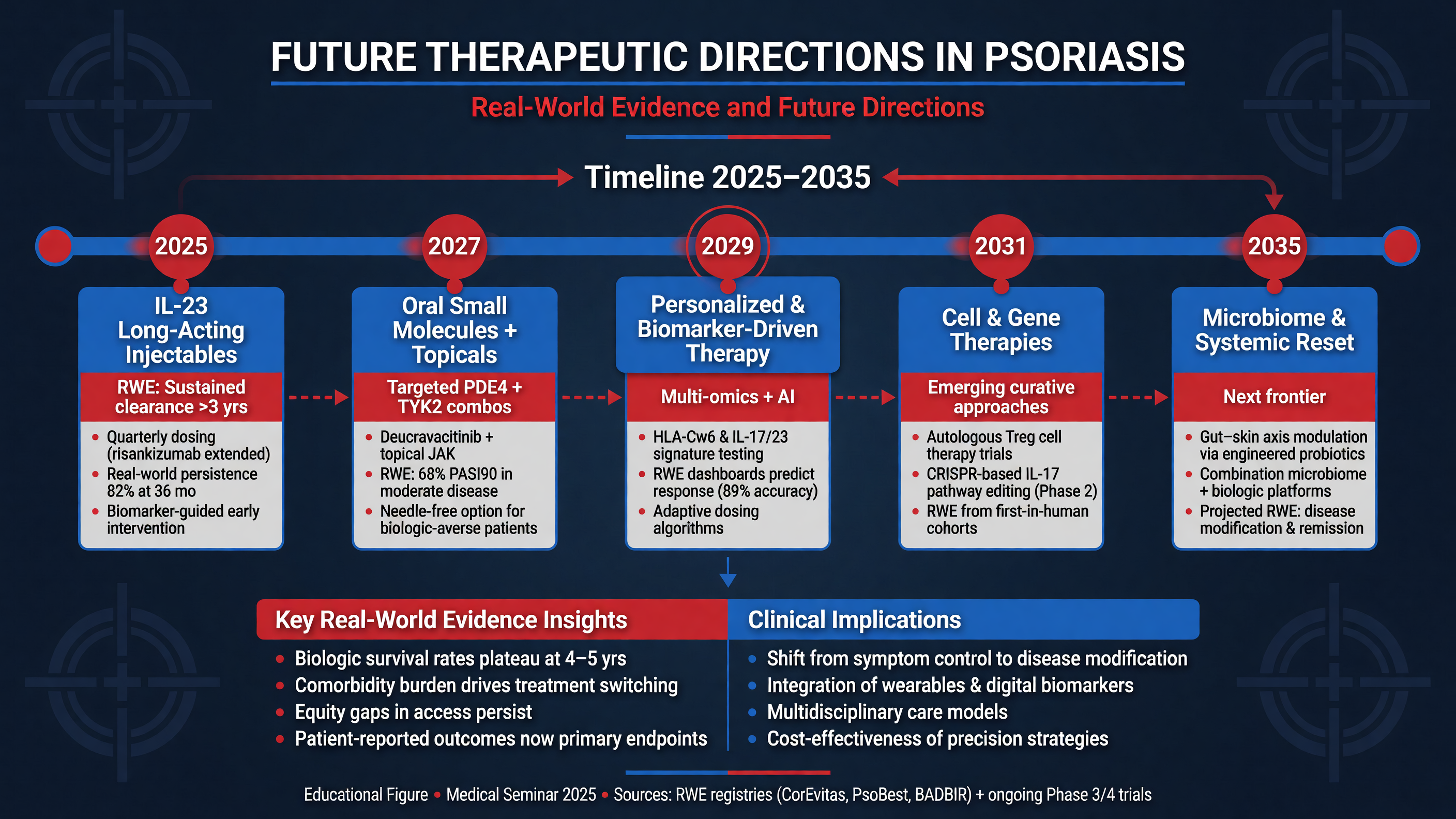 Randomized trials establish efficacy under controlled conditions; real-world studies reveal whether patients can obtain, tolerate, and persist with therapy. Persistence integrates effectiveness, adverse events, access, dosing burden, and patient satisfaction, but it is not a pure measure of pharmacologic efficacy. Formulary rules and channeling of difficult cases toward newer agents can distort comparisons.
Biologics have the advantage of mature registries such as BADBIR, CorEvitas, and PSOLAR. Recent BADBIR analyses suggest particularly strong two-year effectiveness persistence for guselkumab and risankizumab, while prior biologic exposure reduces persistence for several classes ([PMID: 40439435](https://pubmed.ncbi.nlm.nih.gov/40439435/)). These data help counsel patients about durability but cannot fully remove confounding by indication, country-specific access, or clinician selection.
Deucravacitinib now has several years of exposure and emerging observational evidence. A prospective Japanese cohort reported sustained PASI and DLQI improvement through 52 weeks, with lower responses among biologic-experienced patients; the single-country, relatively small cohort limits generalizability ([PMID: 39916637](https://pubmed.ncbi.nlm.nih.gov/39916637/)). Postmarketing studies should assess adherence, persistence, infection, zoster, malignancy, cardiovascular outcomes, pregnancy, and effectiveness across skin tones and comorbidity profiles.
Meaningful postmarketing evidence for icotrokinra does not yet exist because U.S. approval occurred in March 2026. Phase 3 exposure is reassuring through approximately one year, but unanswered questions include rare events, pregnancy, severe renal impairment, adherence to fasting administration, response after IL-23-biologic failure, long-term comparative persistence, and outcomes in populations underrepresented in trials. Its psoriatic-arthritis, ulcerative-colitis, and Crohn-disease programs may eventually clarify whether receptor-level IL-23 blockade can control multiple disease domains, but those indications must not be assumed today.
**Nuance:** Trial efficacy may overestimate daily practice, yet real-world cohorts can also appear unusually effective when they allow topical combination therapy, exclude early discontinuers, or analyze only patients with follow-up measurements. Always inspect the denominator and missing-data method.
The oral pipeline continues to evolve. Zasocitinib, a next-generation selective TYK2 inhibitor, produced company- and congress-reported week-16 PASI 90 rates of approximately 52%–61% in the phase 3 LATITUDE studies, with sPGA 0/1 near 69%–71%. A June 2026 topline announcement reported superiority to deucravacitinib in a separate head-to-head study. These findings are promising but remain investigational and should be distinguished from peer-reviewed evidence and regulatory approval. Envudeucitinib and other allosteric TYK2 agents are also being studied, testing whether greater target coverage can improve clearance without reproducing broad JAK toxicity.
Future comparative trials should move beyond placebo and older oral comparators. Clinicians need direct comparisons with modern IL-17 and IL-23 biologics, longer randomized withdrawal periods, diverse enrollment, and outcomes for genital, nail, palmoplantar, scalp, and joint disease. Trials should measure treatment burden, time to symptom relief, work productivity, persistence, total cost, and patient-selected goals—not PASI alone.
**Framework:** Build a learning health system around five real-world outcomes: effectiveness, safety, persistence, equity, and total treatment burden. Record why treatment stops—primary failure, secondary loss, toxicity, preference, pregnancy, insurance, or remission—rather than coding every discontinuation as inefficacy.
Biomarker-guided treatment remains aspirational. HLA-C*06:02 and molecular signatures have population-level associations but are not sufficiently predictive for routine drug selection. Remote photography and digital PASI tools may improve monitoring, particularly when calibrated for diverse skin tones, but they require validation and cannot replace examination for arthritis or atypical disease.
**Decision Point:** Novelty should lower neither the evidentiary threshold nor the patient’s treatment target. Use newly approved therapy when its mechanism, efficacy, safety, and administration solve a specific clinical problem; otherwise, a well-established biologic may remain the better choice.
**Audience Poll:** Which evidence gap would most affect your prescribing—modern-biologic head-to-head data, five-year safety, psoriatic-arthritis efficacy, pregnancy outcomes, or real-world persistence?
---
## Clinical Case: Choosing an Oral Therapy Without Missing the Dominant Disease Domain
A 45-year-old school administrator has a 14-year history of plaque psoriasis. Current examination shows IGA 3 disease over 16% body-surface area, PASI 17, thick scalp plaques, genital involvement, and nail pitting. DLQI is 18 because itch disrupts sleep and scale is visible on dark clothing. Topical corticosteroid–vitamin D therapy and narrowband UV-B were impractical. Apremilast was stopped for persistent diarrhea. Adalimumab initially worked but lost efficacy after 18 months, and the patient now strongly prefers a pill.
He describes “arthritis,” but targeted history reveals ten minutes of morning knee stiffness without swelling, dactylitis, inflammatory back pain, or heel pain. PEST is 1. Examination shows crepitus but no synovitis or enthesitis. Because nail disease and psoriasis still increase future risk, the plan includes annual screening and prompt reassessment for new inflammatory symptoms rather than assuming either psoriatic arthritis or benign mechanical pain.
**MUST ACT:** If the history instead included prolonged morning stiffness, dactylitis, swollen joints, inflammatory back pain, or enthesitis, rheumatology referral and selection of a joint-active therapy would precede route preference. Icotrokinra is not currently approved for psoriatic arthritis.
Baseline evaluation shows no clinically important infection, normal renal and hepatic function, negative TB and hepatitis screening, and updated non-live vaccines. The clinician presents three reasonable options: an IL-23 biologic with mature durability data; deucravacitinib 6 mg daily with food-independent dosing; and icotrokinra 200 mg daily, which demonstrated greater skin clearance than deucravacitinib but requires fasting administration and has less postmarketing experience.
**Decision Point:** The patient prioritizes high-level skin clearance and accepts taking medication immediately upon waking, waiting 30 minutes before breakfast. He chooses icotrokinra after confirming coverage. The documented week-16 goals are PASI 90 or absolute PASI below 2, IGA 0/1, major itch improvement, and DLQI 0/1.
At week 4, itch is improved but plaques remain. Treatment is continued because premature switching would misclassify expected response kinetics. At week 16, PASI falls to 1.5, genital disease clears, and DLQI is 1. He reports one uncomplicated upper respiratory infection and no treatment interruption.
**Teaching Point:** If response had been inadequate, the first questions would be whether doses were missed, taken with food, or interrupted by access—not an automatic conclusion that IL-23 receptor blockade failed. Persistent atypical plaques would prompt KOH testing or biopsy; new joint symptoms would reopen the domain assessment; and true adherent primary failure would support changing mechanism rather than simply selecting another oral agent.
---
## Tonight on Shift
- [ ] **Confirm the phenotype and severity:** document BSA or PASI, IGA, symptoms, DLQI, high-impact sites, nails, and important mimics.
- [ ] **Screen beyond the skin:** ask specifically about psoriatic arthritis, inflammatory bowel disease, infection, cardiometabolic risk, depression, and pregnancy plans.
- [ ] **Prescribe the protocol accurately:** icotrokinra 200 mg upon waking on an empty stomach with a 30-minute wait before food; deucravacitinib 6 mg daily with or without food.
- [ ] **Set a measurable target:** reassess around weeks 12–16 for PASI 90 or absolute PASI below 2, IGA 0/1, symptom relief, and quality-of-life recovery.
- [ ] **Monitor by mechanism:** update vaccines, assess TB and hepatitis risk, interrupt for serious infection, and perform renal, hepatic, lipid, or CPK monitoring when indicated.
- [ ] **Match treatment to the dominant domain:** do not sacrifice proven joint, bowel, pregnancy, or comorbidity suitability merely to obtain an oral route.
Randomized trials establish efficacy under controlled conditions; real-world studies reveal whether patients can obtain, tolerate, and persist with therapy. Persistence integrates effectiveness, adverse events, access, dosing burden, and patient satisfaction, but it is not a pure measure of pharmacologic efficacy. Formulary rules and channeling of difficult cases toward newer agents can distort comparisons.
Biologics have the advantage of mature registries such as BADBIR, CorEvitas, and PSOLAR. Recent BADBIR analyses suggest particularly strong two-year effectiveness persistence for guselkumab and risankizumab, while prior biologic exposure reduces persistence for several classes ([PMID: 40439435](https://pubmed.ncbi.nlm.nih.gov/40439435/)). These data help counsel patients about durability but cannot fully remove confounding by indication, country-specific access, or clinician selection.
Deucravacitinib now has several years of exposure and emerging observational evidence. A prospective Japanese cohort reported sustained PASI and DLQI improvement through 52 weeks, with lower responses among biologic-experienced patients; the single-country, relatively small cohort limits generalizability ([PMID: 39916637](https://pubmed.ncbi.nlm.nih.gov/39916637/)). Postmarketing studies should assess adherence, persistence, infection, zoster, malignancy, cardiovascular outcomes, pregnancy, and effectiveness across skin tones and comorbidity profiles.
Meaningful postmarketing evidence for icotrokinra does not yet exist because U.S. approval occurred in March 2026. Phase 3 exposure is reassuring through approximately one year, but unanswered questions include rare events, pregnancy, severe renal impairment, adherence to fasting administration, response after IL-23-biologic failure, long-term comparative persistence, and outcomes in populations underrepresented in trials. Its psoriatic-arthritis, ulcerative-colitis, and Crohn-disease programs may eventually clarify whether receptor-level IL-23 blockade can control multiple disease domains, but those indications must not be assumed today.
**Nuance:** Trial efficacy may overestimate daily practice, yet real-world cohorts can also appear unusually effective when they allow topical combination therapy, exclude early discontinuers, or analyze only patients with follow-up measurements. Always inspect the denominator and missing-data method.
The oral pipeline continues to evolve. Zasocitinib, a next-generation selective TYK2 inhibitor, produced company- and congress-reported week-16 PASI 90 rates of approximately 52%–61% in the phase 3 LATITUDE studies, with sPGA 0/1 near 69%–71%. A June 2026 topline announcement reported superiority to deucravacitinib in a separate head-to-head study. These findings are promising but remain investigational and should be distinguished from peer-reviewed evidence and regulatory approval. Envudeucitinib and other allosteric TYK2 agents are also being studied, testing whether greater target coverage can improve clearance without reproducing broad JAK toxicity.
Future comparative trials should move beyond placebo and older oral comparators. Clinicians need direct comparisons with modern IL-17 and IL-23 biologics, longer randomized withdrawal periods, diverse enrollment, and outcomes for genital, nail, palmoplantar, scalp, and joint disease. Trials should measure treatment burden, time to symptom relief, work productivity, persistence, total cost, and patient-selected goals—not PASI alone.
**Framework:** Build a learning health system around five real-world outcomes: effectiveness, safety, persistence, equity, and total treatment burden. Record why treatment stops—primary failure, secondary loss, toxicity, preference, pregnancy, insurance, or remission—rather than coding every discontinuation as inefficacy.
Biomarker-guided treatment remains aspirational. HLA-C*06:02 and molecular signatures have population-level associations but are not sufficiently predictive for routine drug selection. Remote photography and digital PASI tools may improve monitoring, particularly when calibrated for diverse skin tones, but they require validation and cannot replace examination for arthritis or atypical disease.
**Decision Point:** Novelty should lower neither the evidentiary threshold nor the patient’s treatment target. Use newly approved therapy when its mechanism, efficacy, safety, and administration solve a specific clinical problem; otherwise, a well-established biologic may remain the better choice.
**Audience Poll:** Which evidence gap would most affect your prescribing—modern-biologic head-to-head data, five-year safety, psoriatic-arthritis efficacy, pregnancy outcomes, or real-world persistence?
---
## Clinical Case: Choosing an Oral Therapy Without Missing the Dominant Disease Domain
A 45-year-old school administrator has a 14-year history of plaque psoriasis. Current examination shows IGA 3 disease over 16% body-surface area, PASI 17, thick scalp plaques, genital involvement, and nail pitting. DLQI is 18 because itch disrupts sleep and scale is visible on dark clothing. Topical corticosteroid–vitamin D therapy and narrowband UV-B were impractical. Apremilast was stopped for persistent diarrhea. Adalimumab initially worked but lost efficacy after 18 months, and the patient now strongly prefers a pill.
He describes “arthritis,” but targeted history reveals ten minutes of morning knee stiffness without swelling, dactylitis, inflammatory back pain, or heel pain. PEST is 1. Examination shows crepitus but no synovitis or enthesitis. Because nail disease and psoriasis still increase future risk, the plan includes annual screening and prompt reassessment for new inflammatory symptoms rather than assuming either psoriatic arthritis or benign mechanical pain.
**MUST ACT:** If the history instead included prolonged morning stiffness, dactylitis, swollen joints, inflammatory back pain, or enthesitis, rheumatology referral and selection of a joint-active therapy would precede route preference. Icotrokinra is not currently approved for psoriatic arthritis.
Baseline evaluation shows no clinically important infection, normal renal and hepatic function, negative TB and hepatitis screening, and updated non-live vaccines. The clinician presents three reasonable options: an IL-23 biologic with mature durability data; deucravacitinib 6 mg daily with food-independent dosing; and icotrokinra 200 mg daily, which demonstrated greater skin clearance than deucravacitinib but requires fasting administration and has less postmarketing experience.
**Decision Point:** The patient prioritizes high-level skin clearance and accepts taking medication immediately upon waking, waiting 30 minutes before breakfast. He chooses icotrokinra after confirming coverage. The documented week-16 goals are PASI 90 or absolute PASI below 2, IGA 0/1, major itch improvement, and DLQI 0/1.
At week 4, itch is improved but plaques remain. Treatment is continued because premature switching would misclassify expected response kinetics. At week 16, PASI falls to 1.5, genital disease clears, and DLQI is 1. He reports one uncomplicated upper respiratory infection and no treatment interruption.
**Teaching Point:** If response had been inadequate, the first questions would be whether doses were missed, taken with food, or interrupted by access—not an automatic conclusion that IL-23 receptor blockade failed. Persistent atypical plaques would prompt KOH testing or biopsy; new joint symptoms would reopen the domain assessment; and true adherent primary failure would support changing mechanism rather than simply selecting another oral agent.
---
## Tonight on Shift
- [ ] **Confirm the phenotype and severity:** document BSA or PASI, IGA, symptoms, DLQI, high-impact sites, nails, and important mimics.
- [ ] **Screen beyond the skin:** ask specifically about psoriatic arthritis, inflammatory bowel disease, infection, cardiometabolic risk, depression, and pregnancy plans.
- [ ] **Prescribe the protocol accurately:** icotrokinra 200 mg upon waking on an empty stomach with a 30-minute wait before food; deucravacitinib 6 mg daily with or without food.
- [ ] **Set a measurable target:** reassess around weeks 12–16 for PASI 90 or absolute PASI below 2, IGA 0/1, symptom relief, and quality-of-life recovery.
- [ ] **Monitor by mechanism:** update vaccines, assess TB and hepatitis risk, interrupt for serious infection, and perform renal, hepatic, lipid, or CPK monitoring when indicated.
- [ ] **Match treatment to the dominant domain:** do not sacrifice proven joint, bowel, pregnancy, or comorbidity suitability merely to obtain an oral route.